
'/%3e%3cpath%20d='M4.94162%205.99547L4.02701%205.08086L3.63428%205.47359L4.94162%206.78093L7.63768%204.08487L7.24495%203.69214L4.94162%205.99547Z'%20fill='white'/%3e%3cdefs%3e%3clinearGradient%20id='paint0_linear_2302_10195'%20x1='0.5'%20y1='10'%20x2='10.4939'%20y2='10'%20gradientUnits='userSpaceOnUse'%3e%3cstop%20stop-color='%234E10FF'/%3e%3cstop%20offset='1'%20stop-color='%23AB17DF'/%3e%3c/linearGradient%3e%3c/defs%3e%3c/svg%3e)
You’re talking to Don Roi here. Last week a guy wrote to me: “Don, I want to start saving, but I can’t pull it off. I try and three days later I’ve already spent everything on delivery.”
I told him: “Normal. Your brain hates new habits as much as you hate spoilers for your favorite series.”
Starting a habit is like the tutorial of a hard game. The first levels are torture. But once you get the hang of it, you do it without thinking. The real question is: how do you survive those first days without rage-quitting?
The brain is a comfortable freeloader
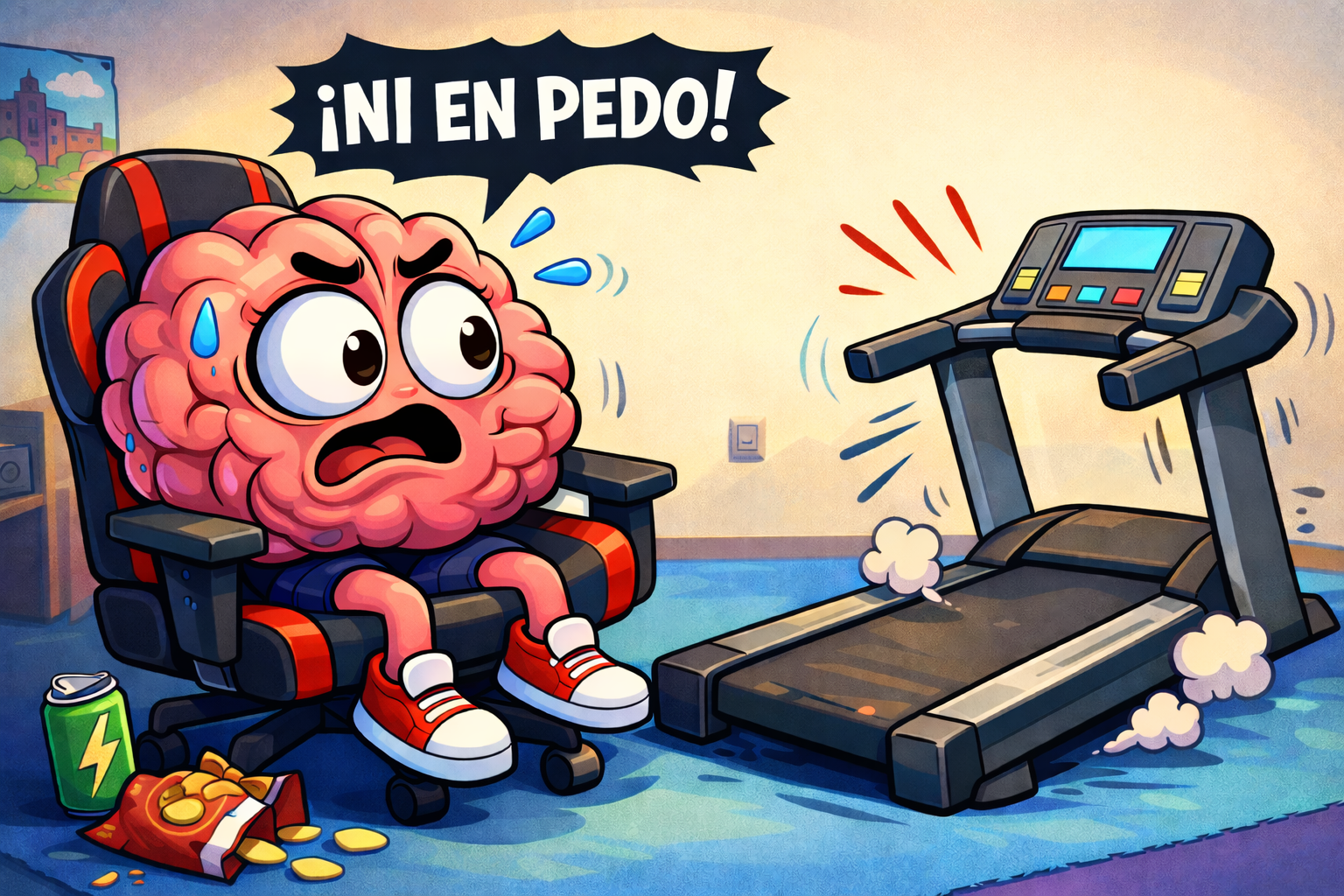
Your brain is basically a processor that hates wasting energy for nothing. Every time you try something new — saving, investing, exercising — your brain screams: “WHY CHANGE IF THIS WAS WORKING?”
It’s like when Steam updates the interface and you want the old one back. Your brain prefers what’s familiar, even if what’s familiar is terrible.
That’s why the first days of any habit are the worst. It’s not a lack of discipline. It’s pure biology. Your brain hasn’t built the neural highways for that new behavior yet.
The good news: after 2–3 weeks of consistent repetition, it starts to happen automatically.
The bad news: those first weeks are hell.
Why people who get it don’t rely on willpower
Here’s the trick: people who successfully build habits don’t have more willpower than you. They just have better systems.
Willpower is a finite resource. Like the stamina bar in Dark Souls. If you spend it deciding what to eat for breakfast, what clothes to wear, whether to reply to that message… by the time you reach “should I save money today or not?” you’re already out of stamina.
People who know what they’re doing follow a few rules:
They reduce decisions to the minimum. They automate. Saving 15% isn’t a decision they make every month. It’s an automatic transfer on day one. No “maybe today.” It just happens.
They make the habit ridiculously easy at the start. Want to begin investing? Don’t start with “I’ll read 50 pages of technical analysis.” Start with “I’ll open the app for two minutes and see what’s going on.” The barrier has to be so low you have no excuse.
They stack habits. They connect the new habit to one they already have. “After I drink coffee, I check my investments for five minutes.” The coffee becomes the automatic trigger.
And the most important one: they give themselves permission to do a crappy version of the habit. Can’t make the big transfer? Send $10. Can’t read the full report? Read two paragraphs. What matters is repetition, not perfection.
Don Roi’s lesson
Starting a new habit isn’t about superhuman discipline. It’s about designing the system so that doing it is easier than not doing it.
Applied to money:
1. Spend less than you earn. If you can’t spend less, then you need to earn more.
2. Save and invest FIRST every month, before anything else. Make it automatic. A scheduled transfer on the day you get paid, before your brain starts inventing excuses.
3. Increase that percentage over time. Target: 10–20% of your income. Start with 5% if you have to. But start.
4. With the rest: live. Life moves fast. The point isn’t suffering. The point is building peace of mind for the future while living today.
Tip of the week
Choose ONE financial habit for this month. Not three. ONE.
It could be reviewing your expenses for five minutes every Sunday.
It could be transferring $50 to a separate account every Friday.
It could be reading about investing for ten minutes before going to sleep.
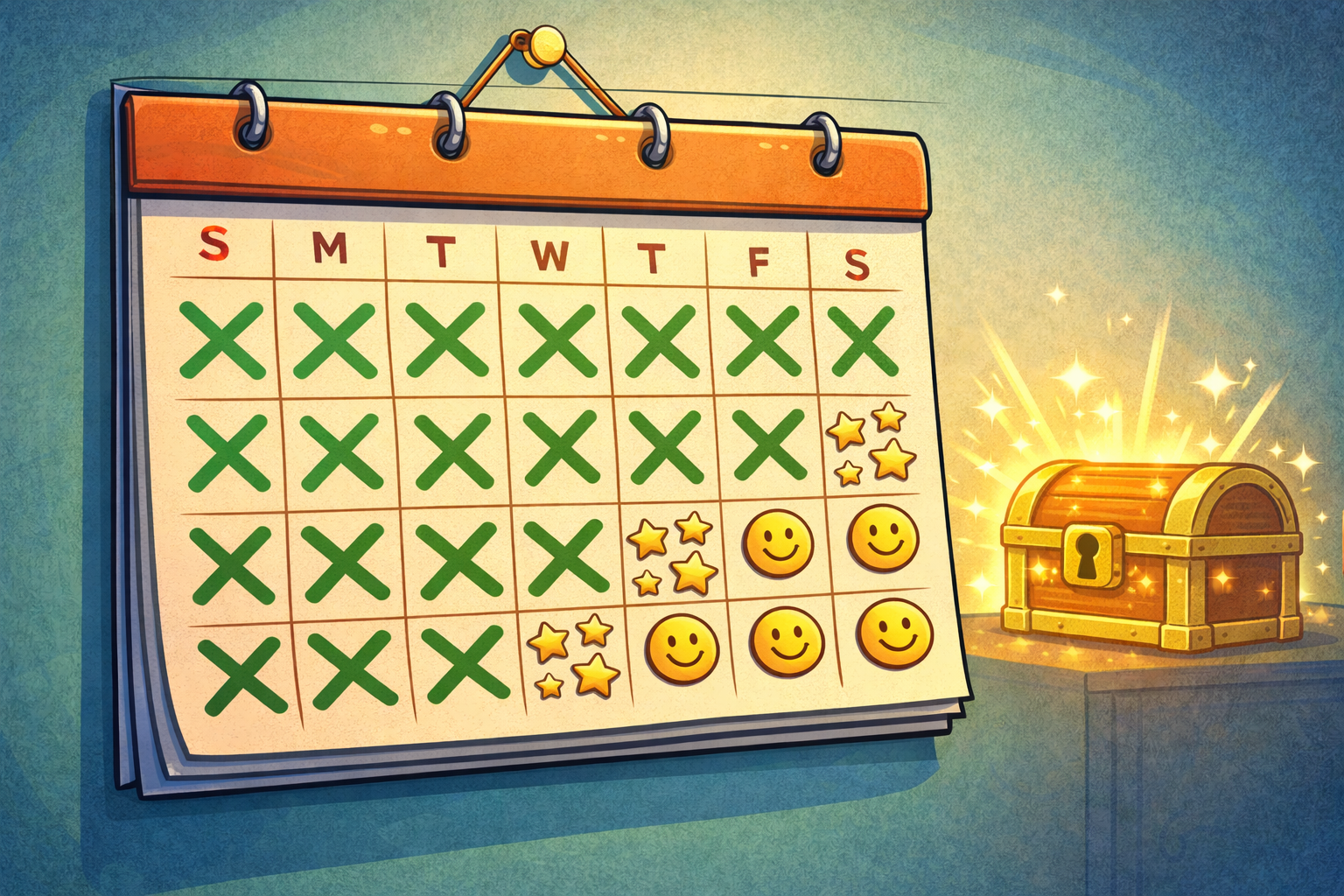
Make it SO easy that you have no excuse. Then repeat it for 21 days straight. Mark them on a calendar. Every day you do it, cross it off. The chain of crossed-out days becomes motivation itself — you don’t want to break it.
Habits aren’t built with motivation. They’re built with ridiculously consistent repetition of easy versions until your brain gets bored of resisting.
1
0
NEWSLETTER
Subscribe!
And find out the latest news


