
'/%3e%3cpath%20d='M4.94162%205.99547L4.02701%205.08086L3.63428%205.47359L4.94162%206.78093L7.63768%204.08487L7.24495%203.69214L4.94162%205.99547Z'%20fill='white'/%3e%3cdefs%3e%3clinearGradient%20id='paint0_linear_2302_10195'%20x1='0.5'%20y1='10'%20x2='10.4939'%20y2='10'%20gradientUnits='userSpaceOnUse'%3e%3cstop%20stop-color='%234E10FF'/%3e%3cstop%20offset='1'%20stop-color='%23AB17DF'/%3e%3c/linearGradient%3e%3c/defs%3e%3c/svg%3e)
If you were hoping to see Goku or characters from Nier destroying towers in League of Legends, Riot Games has officially shut the door on massive crossovers. Lead designer August Browning confirmed in a recent stream that the MOBA will prioritize the visual clarity of its own universe over the multiversal chaos seen in titles like Fortnite.
The debate about incorporating famous pop culture characters has always been present within the community. However, the official stance is quite clear. The creative vision behind the successful MOBA prefers to keep its identity intact rather than give in to the massive crossovers that currently dominate the gaming market.
Goku Skins in League of Legends and Other Crossovers
The idea of seeing Peter Griffin or singer Ariana Grande casting spells in the mid lane sounds hilarious to many. Titles like Fortnite, Dead by Daylight, or Call of Duty have proven that mixing universes generates massive revenue and attracts thousands of new players every single day.
Despite this proven financial success across the industry, the development team behind League of Legends prefers not to follow that path. As noted during his recent Twitch livestream and highlighted by sources like VidaExtra, Browning explained that the studio is not very receptive to including third-party elements in their flagship title.
According to the developer, introducing these types of external cosmetics would completely transform the game. While it is fascinating to watch absurd battles between pop culture icons and music stars in other environments, the magic and characteristic tone of the Runeterra universe would be irreparably lost if they opened that door.
Why Riot Games Rejects Massive Crossovers
The main argument revolves around preserving the game's atmosphere and readability. The tone of League of Legends has been carefully crafted over the years with deep lore and a unified art style. Seeing a Super Saiyan fighting against a classic champion like Garen or Darius would abruptly break that immersion for competitive players.
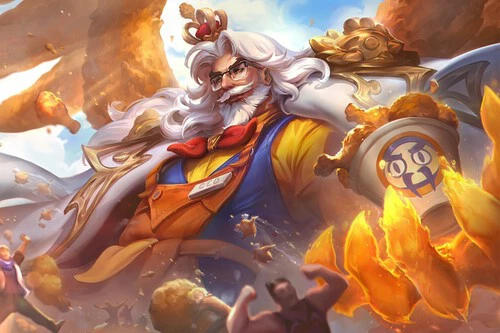
This does not mean the studio won't play around with references. Over time, we have seen some very well-integrated and subtle official collaborations. Clear examples include the elegant Louis Vuitton cosmetics created for Senna, or some humorous skins for champions like Swain, which nod directly to fast-food chains without crossing the line of immersion.
Furthermore, the competitive ecosystem demands visual clarity. During a frantic team fight, players need to instantly recognize which ability their opponent is casting. If the Rift were filled with characters boasting aesthetics entirely foreign to the game's fantasy, competitive clarity would take a critical and frustrating hit.
The Visual Future of Summoner's Rift
The approach of Riot Games has always prioritized coherence. The company has proven time and again that they can build a gigantic and profitable universe using their own ideas. From virtual music groups like K/DA or Heartsteel to massive themed events and alternative skin lines, the studio knows how to innovate without relying on external anime or television licenses.
The final decision to exclude these extreme collaborations ensures that the core experience remains true to its origins. For those seeking surreal and fun battles between pop singers and legendary Japanese animation heroes, there will always be incredible alternatives in the market. But the Rift will remain an exclusive territory for the legends of Runeterra.
0
0
NEWSLETTER
Subscribe!
And find out the latest news
Etiquetas


