
'/%3e%3cpath%20d='M4.94162%205.99547L4.02701%205.08086L3.63428%205.47359L4.94162%206.78093L7.63768%204.08487L7.24495%203.69214L4.94162%205.99547Z'%20fill='white'/%3e%3cdefs%3e%3clinearGradient%20id='paint0_linear_2302_10195'%20x1='0.5'%20y1='10'%20x2='10.4939'%20y2='10'%20gradientUnits='userSpaceOnUse'%3e%3cstop%20stop-color='%234E10FF'/%3e%3cstop%20offset='1'%20stop-color='%23AB17DF'/%3e%3c/linearGradient%3e%3c/defs%3e%3c/svg%3e)
Private servers in Roblox have become a key tool for creators looking to generate revenue within the platform. In 2026, their use goes beyond offering exclusive matches: they are part of a monetization system based on subscriptions, playtime, and user engagement.

Understanding how they work and how they can be integrated into an experience is essential to fully leverage their economic potential.

What are private servers and what are they used for
A private server is a game instance controlled by the user or by whoever pays for access. Unlike public servers, it allows restricting entry and defining who can participate in the experience.
These servers are used in different contexts. In many cases, players look for an uninterrupted environment where they can progress without direct competition. They are also used to organize specific events such as tournaments, meetings, or educational activities.

In other scenarios, creators use them to facilitate content recording or to provide customized spaces for closed communities.
Access depends on internal account settings, especially for underage users, which may limit their use in certain cases.

How subscription-based monetization works
The economic model of private servers is based on recurring payments. The creator sets a price in Robux, and users who want access must pay a monthly subscription.
This system allows continuous revenue generation as long as users keep their subscription active. Renewal happens automatically, deducting the balance from the player's account.
At the same time, users can cancel the service at any moment before the next billing cycle.
This structure makes private servers a relatively stable source of income within the Roblox ecosystem, as it does not rely solely on one-time purchases.
Configuration process within the platform
To enable private servers, the experience must be published and accessible to users. Configuration is done through the creation panel, where the developer activates the option within the monetization section.
During this process, the creator defines whether access will be free or paid, as well as the subscription price in Robux. Once these parameters are set, the changes apply to the entire experience.
An important detail is that any change in price automatically cancels active subscriptions. This requires careful planning of the monetization strategy to avoid revenue interruptions.

What makes a private server profitable
The profitability of private servers does not depend solely on enabling paid access. It is directly related to the value perceived by users when subscribing.
In practice, players look for clear advantages over public servers. These may include reduced competition for resources, greater control of the environment, or access to mechanics not available in public instances.
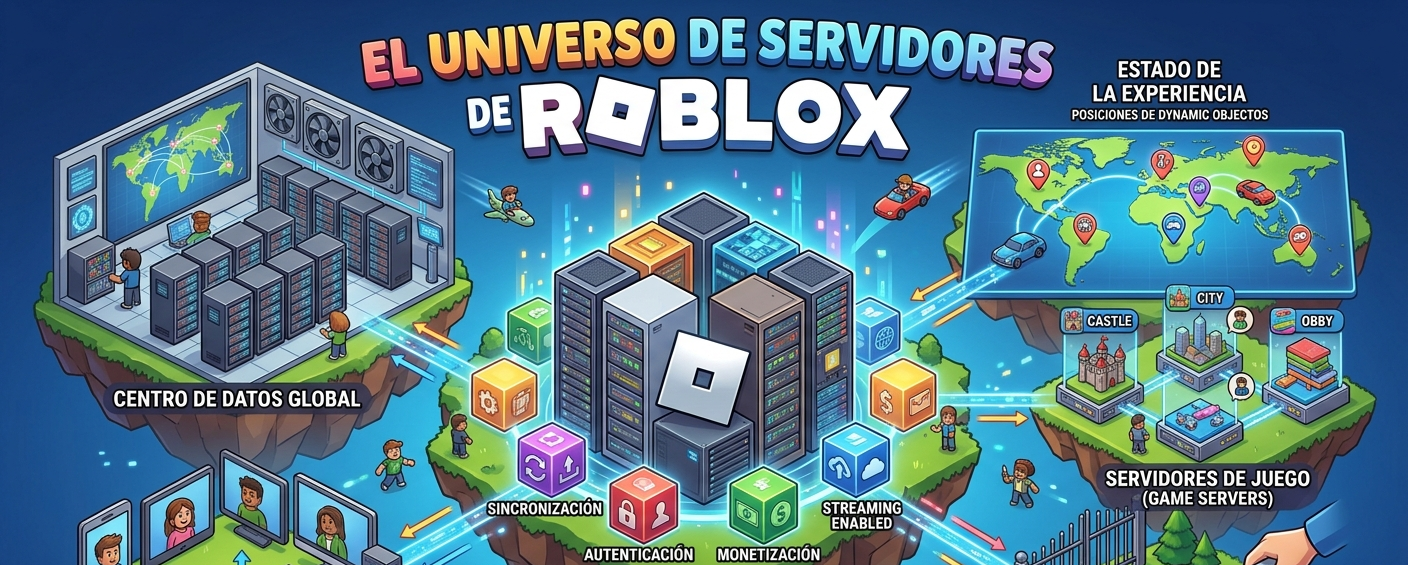
It is also common for creators to include additional content within these spaces. This may involve exclusive areas, faster progression, or differentiated mechanics that justify the monthly payment.
Another relevant factor is the social component. Private servers facilitate events, community activities, and group-based experiences, increasing user retention and subscription continuity.
Changes in 2026 and new revenue dynamics
During 2026, Roblox introduced new monetization models that directly impact the use of private servers. Among them is the integration with broader subscription systems such as Roblox Plus.
These services include additional incentives for creators based on the time users spend within their experiences. In this context, private servers gain importance, as they tend to generate longer and more controlled sessions.
Additionally, some users with global subscriptions may access benefits related to private servers, expanding their usage and economic impact within the platform.

Limitations and considerations
Despite their advantages, private servers present certain limitations that must be considered.
On one hand, they cannot be freely combined with all monetization models within the same experience. This requires clearly defining the economic strategy of the project.
On the other hand, privacy restrictions may affect access for some users, especially accounts with stricter security settings.
Finally, excessive or poorly balanced implementation may affect how the game is perceived. If exclusive benefits are too significant, it may create a gap between paying players and free users, which can impact retention.

6
0
NEWSLETTER
Subscribe!
And find out the latest news


