
'/%3e%3cpath%20d='M4.94162%205.99547L4.02701%205.08086L3.63428%205.47359L4.94162%206.78093L7.63768%204.08487L7.24495%203.69214L4.94162%205.99547Z'%20fill='white'/%3e%3cdefs%3e%3clinearGradient%20id='paint0_linear_2302_10195'%20x1='0.5'%20y1='10'%20x2='10.4939'%20y2='10'%20gradientUnits='userSpaceOnUse'%3e%3cstop%20stop-color='%234E10FF'/%3e%3cstop%20offset='1'%20stop-color='%23AB17DF'/%3e%3c/linearGradient%3e%3c/defs%3e%3c/svg%3e)
In recent years, many players have started to notice a clear difference between certain titles. Some feel light, dynamic, and entertaining. Others, on the other hand, feel more like an obligatory routine.
The difference is not always in the graphics or the difficulty. It is in the design.
When playing turns into completing tasks
In several GameFi models, the system rewards repetitive actions. Logging in every day, completing specific missions, optimizing routes, or always executing the same strategy.
At first, this can seem motivating. There is visible progress and a clear reward.
But when the structure revolves only around maximizing benefits, the player starts acting out of obligation rather than interest.
At that point:
- Efficiency is prioritized over fun
- The most profitable actions are repeated
- Experimentation is avoided
- The game feels like a pending task
The experience stops being exploration and becomes routine.
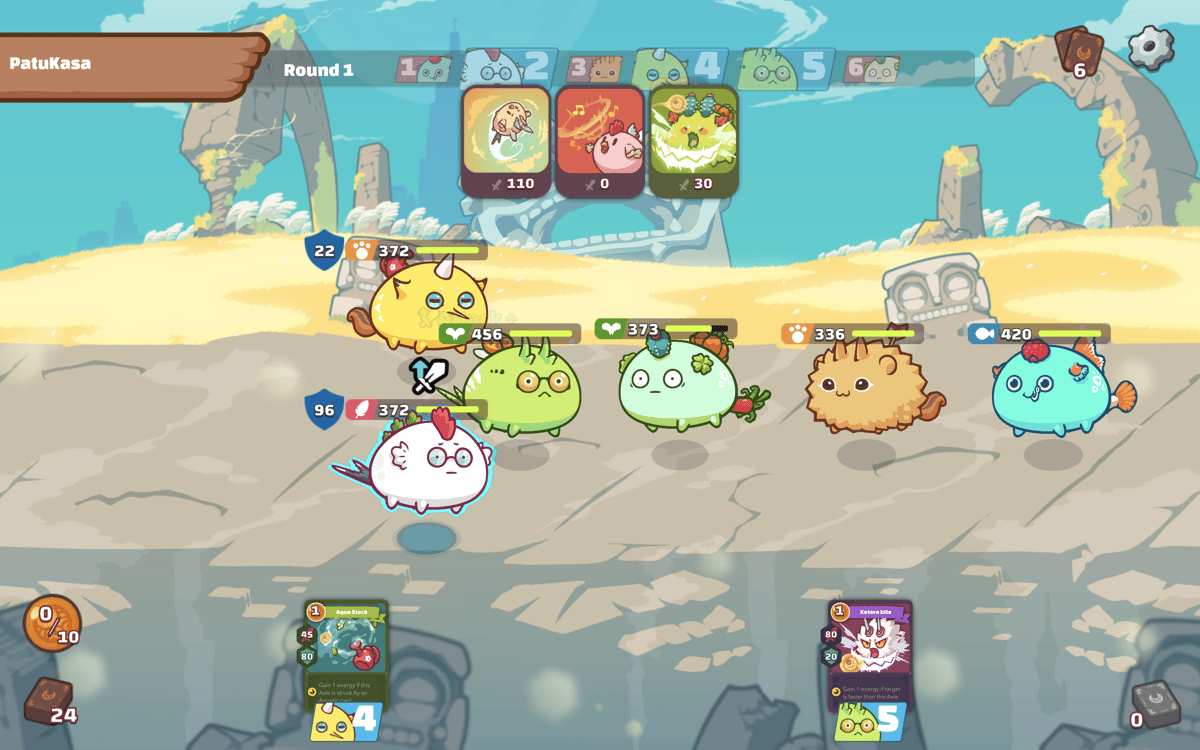
The design that creates constant pressure
Your OLA account is worth prizes
Play the Claw, hunt the treasure and redeem in the Store. Creating an account is free.
Create my accountA game can feel like work when it:
- Penalizes not logging in daily
- Forces players to meet goals to avoid “losing value”
- Limits freedom in how to progress
- Reduces progress to performance metrics
When every session feels like something that “has to be done,” the player loses autonomy.
The system begins to dominate the experience.

The difference with a well-balanced game
In contrast, games that do not feel like work share certain characteristics:
- They allow different playing rhythms
- They do not punish absence
- They offer multiple paths
- They reward exploration, not just optimization
In these cases, the reward supports the game, but does not replace it.
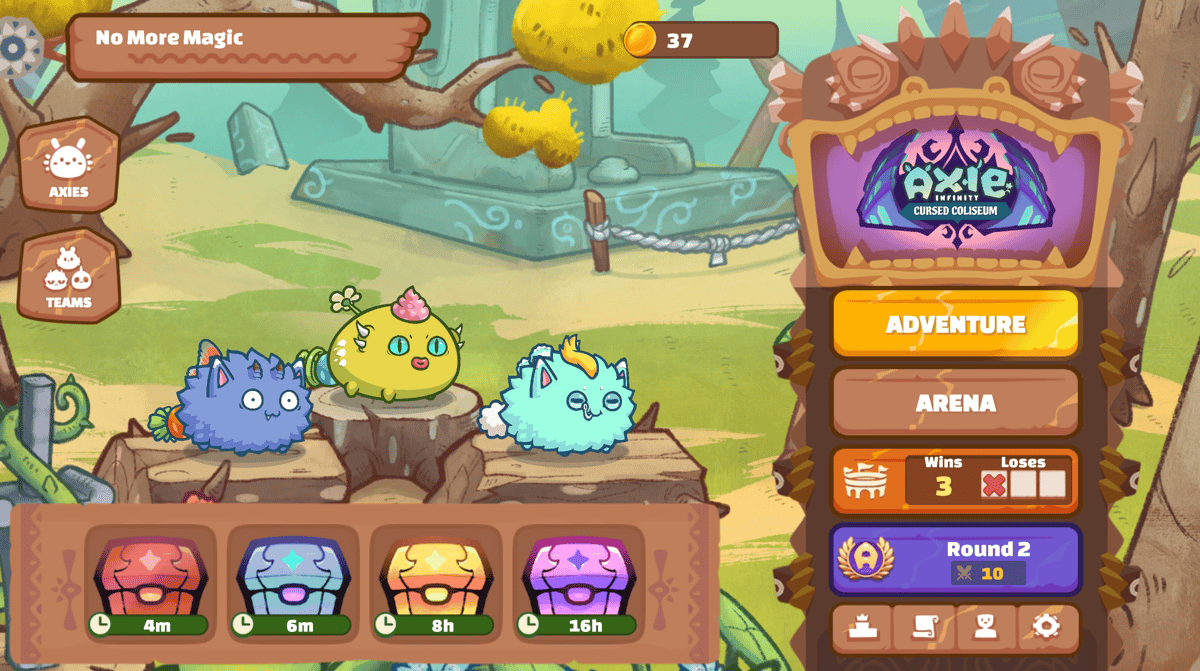
A clear example is how traditional titles prioritize the experience over economic performance. Even in games with internal economies, such as Axie Infinity in its early stages, the balance between system and entertainment was key to maintaining interest.
When motivation changes, everything changes
The central question is not how much a game pays, but why the player logs in.
If the main motivation is external (earning something outside the game), the experience tends to become instrumental. The player seeks results, not moments.
In contrast, when motivation is internal (overcoming a challenge, discovering something new, improving skills), the game keeps its essence.
The role of rewards
Rewards are not the problem. In fact, they can improve the experience when well integrated.
The problem arises when:
- They become the only objective
- They replace curiosity
- They remove freedom of choice
At that point, the player stops playing and starts executing.

What can be learned from this difference
A game should not feel like a constant obligation.
When design prioritizes balance, the player chooses to return.
When it prioritizes performance, the player calculates whether it is worth it.
The difference may seem subtle, but it changes the entire experience.
A clear conclusion
Some games feel like jobs because they were designed around metrics and constant rewards.
Others remain games because the system supports the experience instead of controlling it.
The key is not how much they offer, but how they offer it.
2
0
Other news you might be interested in
Etiquetas


