A New Player in the Living Room?

Mauricio Flores
'/%3e%3cpath%20d='M4.94162%205.99547L4.02701%205.08086L3.63428%205.47359L4.94162%206.78093L7.63768%204.08487L7.24495%203.69214L4.94162%205.99547Z'%20fill='white'/%3e%3cdefs%3e%3clinearGradient%20id='paint0_linear_2302_10195'%20x1='0.5'%20y1='10'%20x2='10.4939'%20y2='10'%20gradientUnits='userSpaceOnUse'%3e%3cstop%20stop-color='%234E10FF'/%3e%3cstop%20offset='1'%20stop-color='%23AB17DF'/%3e%3c/linearGradient%3e%3c/defs%3e%3c/svg%3e)
8 months ago
25
1
0
The Nex PlayGround is a proposal that breaks with tradition by presenting itself as a small cube that does not use physical controllers. Its operation is based on a high-definition wide-angle camera powered by artificial intelligence that scans the room to detect the movement of up to four people at the same time.
Regarding hardware, the console does not try to compete in raw power with the most advanced machines on the market; instead, it focuses on offering a smooth computer vision experience so that games react instantly to every jump or gesture from the players.
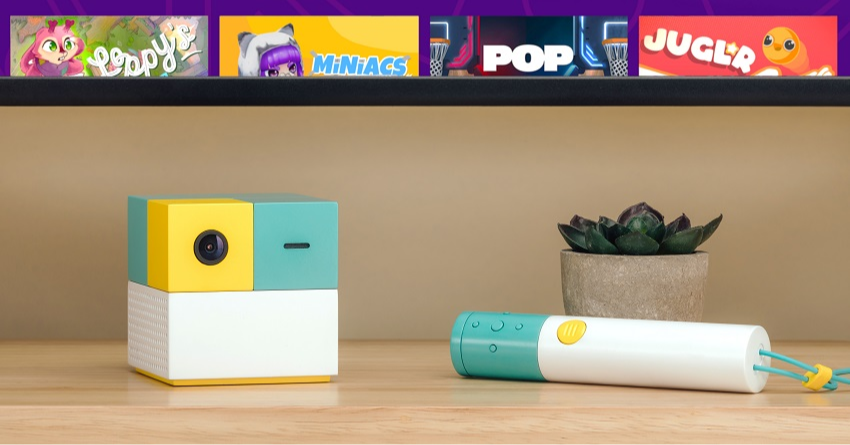
Its retention strategy is carefully designed to capture the family audience, especially children in kindergarten or the early years of elementary school. Instead of forcing the user to buy each game separately, the company offers the Play Pass, an annual subscription of approximately $89 that provides access to a constantly updated catalog of over 50 titles.
To prove these aren't generic contents, the platform features world-renowned franchises like Peppa Pig, Sesame Street, and classic Hasbro games like "Hungry Hungry Hippos," generating immediate trust in parents.
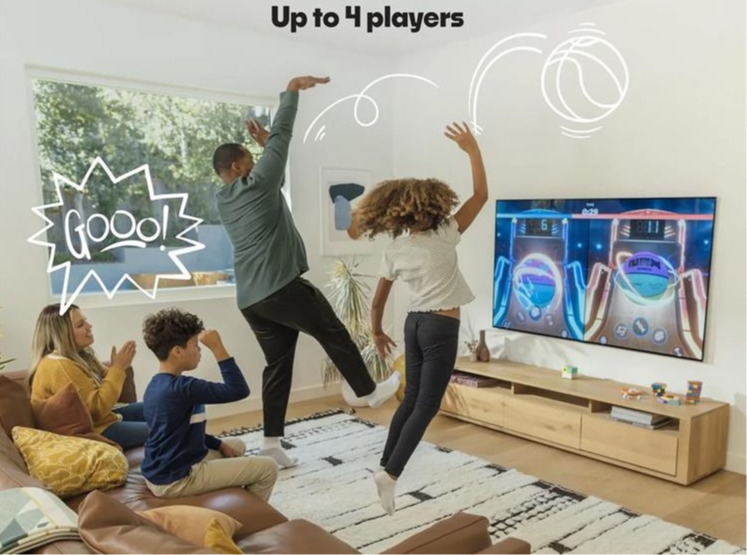
This approach allowed the console to achieve historic success in November 2025, ranking as the third best-seller in the United States throughout the month, although it managed to reach second place during Black Friday week.
By outselling established brands in volume, the device proved there is a massive market interested in simplicity. Its competitive price of $249 and its presence in physical stores like Walmart, Target, and Best Buy were key factors in its success.
1. PlayStation 5
2. Nintendo Switch
3. Nex PlayGround
4. Xbox Series X|S
5. PlayStation 5 Pro

Currently, the console is officially marketed in the United States and Canada, where it has built a very active user community. Due to the explosion in demand, the company has already confirmed expansion plans for the first half of 2026, aiming to land in major European markets and selected Asian countries to globalize its physical gaming proposal.
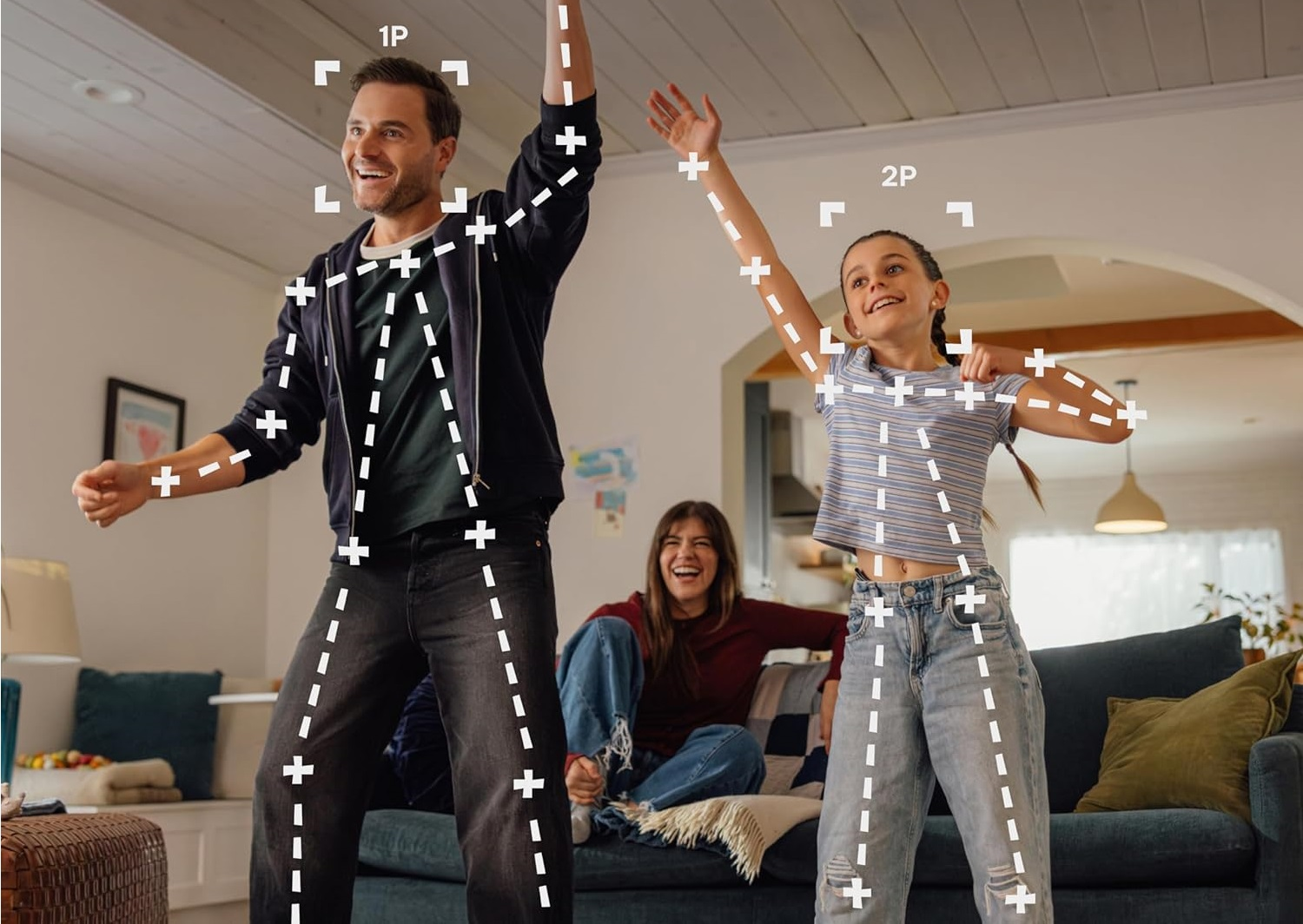
Regarding its origin, the machine's creators were deeply inspired by the legacy of the Nintendo Wii and Microsoft's Kinect sensor. The goal was to recover that "active play" magic from the 2000s, where gaming meant getting off the couch, but eliminating the technical issues of old sensors.
The core idea was to leverage current technology to reunite families in the living room, offering an alternative to the loneliness of mobile phone screens.
It’s fascinating to see how an idea focused on simplicity can shake up an industry that seemed to be the exclusive property of three companies. Now that you know about this option, we leave you with the million-dollar question: would you rather spend a small fortune on a next-generation console or take the plunge and buy two Nex PlayGrounds to start a family tournament at home? After all, would you really mind being able to distinguish a few pixels on the screen if the gameplay experience is much more entertaining? At least you won't have to worry about the sun's reflection ruining the Ray Tracing in your living room!
1
0
NEWSLETTER
Subscribe!
And find out the latest news
Other news you might be interested in
Etiquetas


