
'/%3e%3cpath%20d='M4.94162%205.99547L4.02701%205.08086L3.63428%205.47359L4.94162%206.78093L7.63768%204.08487L7.24495%203.69214L4.94162%205.99547Z'%20fill='white'/%3e%3cdefs%3e%3clinearGradient%20id='paint0_linear_2302_10195'%20x1='0.5'%20y1='10'%20x2='10.4939'%20y2='10'%20gradientUnits='userSpaceOnUse'%3e%3cstop%20stop-color='%234E10FF'/%3e%3cstop%20offset='1'%20stop-color='%23AB17DF'/%3e%3c/linearGradient%3e%3c/defs%3e%3c/svg%3e)
La llegada del Dragon Duke introduce una variante poco común dentro de Clash of Clans: un héroe diseñado para actuar de forma independiente. Su uso va más alla de acompañar grandes ejércitos, pretende intervenir en momentos específicos del ataque para cumplir objetivos concretos. Comprender este enfoque permite integrarlo de manera efectiva en distintas estrategias.

Un héroe enfocado en la autonomía
El Dragon Duke se caracteriza por su capacidad de operar sin apoyo directo. Esto lo diferencia de otros héroes tradicionales, cuyo rendimiento suele depender de la sincronización con tropas principales.
En términos prácticos, su rol se centra en abrir camino en los extremos de la base, eliminar estructuras prioritarias y generar presión en zonas secundarias. Esta versatilidad le permite adaptarse a distintos enfoques de ataque sin comprometer la estrategia principal.
Cómo funcionan sus habilidades en combate
El comportamiento del Dragon Duke combina movilidad y daño sostenido. Puede acceder a zonas que otras tropas tardan más en alcanzar, facilitando el ataque a defensas internas o edificios aislados.
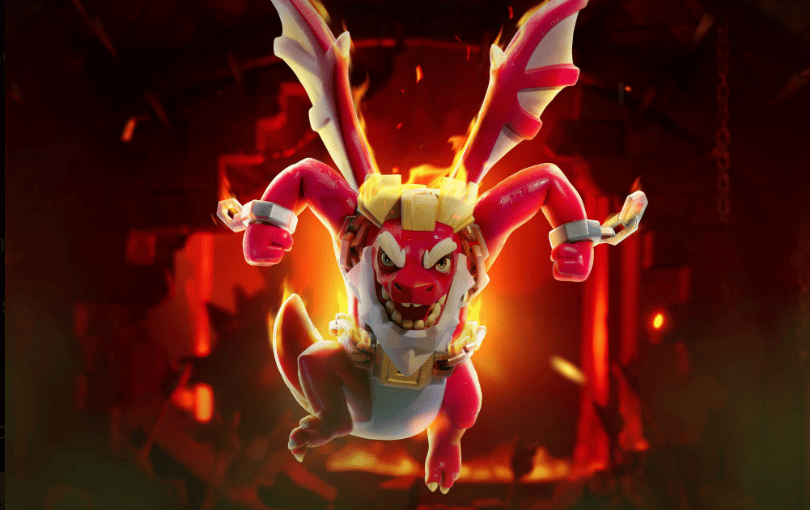
Su habilidad especial, activable manualmente, proporciona un aumento temporal de rendimiento —ya sea en daño, velocidad o resistencia—. Este recurso debe reservarse para momentos clave, como enfrentamientos contra defensas de alto impacto o situaciones donde su supervivencia esté en riesgo.
El momento de activación es determinante: usarla demasiado pronto limita su efectividad en fases críticas del ataque.
Tu cuenta de OLA vale premios
Juega La Garra, busca el tesoro y canjea en la Tienda. Crear la cuenta es gratis.
Crear mi cuentaEstrategias de uso en ataque
Apertura de flancos y control del embudo
Una de las aplicaciones más consistentes del Dragon Duke es la limpieza de estructuras en los extremos de la base. Al desplegarlo en un lateral, elimina edificios exteriores y ayuda a definir el recorrido del ejército principal.
Este uso reduce la dispersión de tropas, un problema frecuente en ataques mal direccionados. Para mantener su eficacia, es recomendable activar su habilidad cuando se enfrente a defensas que puedan frenar su avance, como torres de arqueras o cañones de alto nivel.
Eliminación de objetivos prioritarios
El Dragon Duke también puede utilizarse para atacar defensas clave de forma directa. Entre los objetivos más relevantes se encuentran:
- Torres Inferno
- Águila de Artillería
- Defensas aéreas
En estos casos, su despliegue debe hacerse en sectores con menor concentración de trampas. Si la base presenta alta densidad defensiva, puede requerir apoyo con hechizos como curación, furia o invisibilidad para garantizar su supervivencia.
Presión en múltiples frentes
Otra estrategia consiste en utilizarlo como unidad de distracción o presión secundaria. Mientras el ejército principal avanza por un sector, el Dragon Duke puede atacar desde otro ángulo.

Este enfoque obliga a las defensas a dividir su daño, reduciendo la presión sobre las tropas principales. Además, permite debilitar zonas que podrían complicar el avance general del ataque.
Limpieza en la fase final
En etapas finales del ataque, su función cambia hacia la eliminación de estructuras restantes. Guardarlo para este momento puede evitar pérdidas por tiempo, especialmente en bases con edificios dispersos.
Activar su habilidad en esta fase acelera la destrucción y mejora la eficiencia del cierre del ataque.

Integración con tropas y hechizos
El Dragon Duke puede adaptarse a diferentes composiciones sin depender de una en específico.
En ejércitos aéreos, actúa como complemento para abrir camino o eliminar defensas que amenazan a unidades como dragones o globos. En estrategias híbridas, su función suele centrarse en apoyar desde los flancos o reforzar puntos débiles del ataque.
Los hechizos más utilizados son:
- Curación, para aumentar su resistencia
- Furia, para maximizar su daño
- Invisibilidad, para evitar defensas
Errores frecuentes en su uso
El rendimiento del Dragon Duke suele verse afectado por decisiones de despliegue. Utilizarlo sin una función definida puede provocar su eliminación rápida en zonas de alta defensa.
También es frecuente activar su habilidad de forma anticipada, reduciendo su impacto en enfrentamientos importantes. A esto se suma la falta de atención a trampas ocultas, especialmente en bases bien diseñadas.
6
0
Otras novedades que podrían interesarte
Etiquetas


