¿Es el fin de Xbox? Cambios en Microsoft y el futuro de la consola

'/%3e%3cpath%20d='M4.94162%205.99547L4.02701%205.08086L3.63428%205.47359L4.94162%206.78093L7.63768%204.08487L7.24495%203.69214L4.94162%205.99547Z'%20fill='white'/%3e%3cdefs%3e%3clinearGradient%20id='paint0_linear_2302_10195'%20x1='0.5'%20y1='10'%20x2='10.4939'%20y2='10'%20gradientUnits='userSpaceOnUse'%3e%3cstop%20stop-color='%234E10FF'/%3e%3cstop%20offset='1'%20stop-color='%23AB17DF'/%3e%3c/linearGradient%3e%3c/defs%3e%3c/svg%3e)
En los últimos meses ha ganado fuerza una idea dentro de la industria del videojuego: que Xbox podría estar llegando a su fin tal como fue concebida originalmente. La discusión surge tras cambios en la dirección de la división gaming de Microsoft, resultados comerciales discretos y una estrategia cada vez más orientada a servicios y multiplataforma.
Sin embargo, una revisión detallada de los hechos muestra un escenario más complejo. No se trata de una cancelación oficial, sino de una transformación estratégica con implicaciones profundas para el modelo tradicional de consola.
El punto más fuerte: la salida de Phil Spencer
Uno de los hechos que intensificó las especulaciones fue la salida de Phil Spencer en febrero de 2026, tras 38 años en la compañía y más de una década liderando la marca Xbox. Durante su gestión se impulsaron adquisiciones estratégicas, el crecimiento del ecosistema digital y la consolidación del modelo de suscripción.
Su reemplazo fue Asha Sharma, ejecutiva con experiencia en inteligencia artificial dentro de Microsoft, pero sin trayectoria previa destacada en el negocio tradicional de consolas. El cambio generó dudas sobre si la compañía priorizaría tecnologías emergentes por encima del hardware clásico.
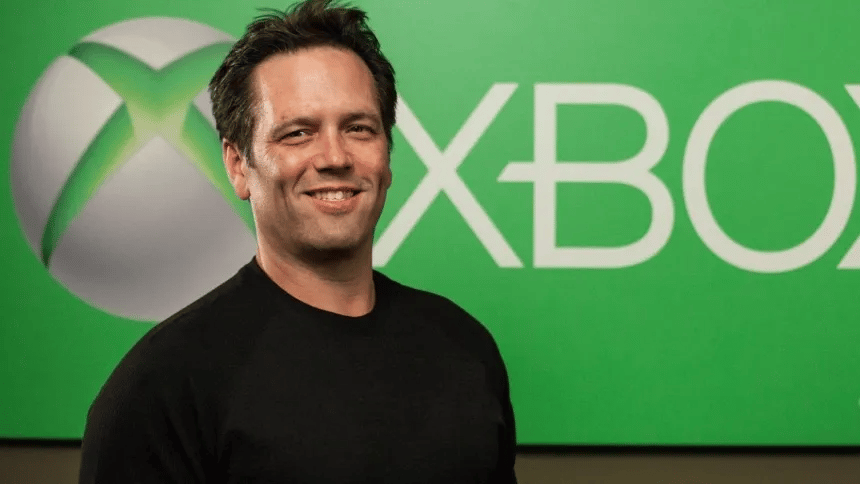
Aunque el relevo fue interpretado por algunos analistas como una señal de transición estructural, Microsoft no anunció ningún plan de cierre o desmantelamiento de la marca.
Tu cuenta de OLA vale premios
Juega La Garra, busca el tesoro y canjea en la Tienda. Crear la cuenta es gratis.
Crear mi cuentaResultados comerciales y presión sobre el modelo de consola
Durante el periodo navideño de 2025, los ingresos por hardware de Xbox registraron su nivel más bajo en aproximadamente 12 años. La caída en ventas se produjo en un contexto donde el mercado de consolas muestra señales de madurez y creciente competencia frente a PC, móviles y servicios en la nube.
Este escenario abrió un debate relevante:
¿Sigue siendo sostenible el modelo tradicional basado en ciclos de consolas físicas cada 6 o 7 años?
La transformación estratégica: servicios, nube y ecosistema
El servicio de suscripción Xbox Game Pass continúa siendo uno de los pilares del negocio, con integración en consola, PC y juego en la nube. Este enfoque reduce la dependencia exclusiva del hardware propio y amplía el acceso al catálogo desde distintos dispositivos.
Además, la compañía ha confirmado que mantiene su alianza con AMD para el desarrollo de la próxima generación de consolas. Esta confirmación contradice los rumores que señalaban una posible cancelación del hardware futuro.
El mensaje oficial ha sido consistente: el desarrollo de nuevas consolas sigue en marcha, pero dentro de una estrategia más amplia donde el ecosistema pesa más que el dispositivo específico.
Opiniones externas y percepción pública
Algunas voces históricas del sector han expresado preocupación. Entre ellas, el cofundador original de Xbox, Seamus Blackley, quien sugirió públicamente que la marca podría estar perdiendo relevancia estratégica dentro de Microsoft.
No obstante, estas declaraciones corresponden a opiniones personales y no a comunicados corporativos. Hasta el momento, Microsoft no ha anunciado el abandono de la marca ni la cancelación de futuras generaciones de consola.
¿Fin o evolución?
La evidencia disponible indica que no existe una decisión oficial de cerrar Xbox. Lo que sí es verificable es una transición clara:
- Menor dependencia del hardware como único eje del negocio.
- Mayor integración con PC y nube.
- Expansión del modelo de suscripción.
- Reestructuración del liderazgo directivo.
Más que un final abrupto, el proceso actual apunta a una redefinición del concepto tradicional de consola. Xbox parece estar pasando de ser principalmente un dispositivo físico a convertirse en un ecosistema de servicios interoperables.

6
0
Otras novedades que podrían interesarte
Etiquetas


