
'/%3e%3cpath%20d='M4.94162%205.99547L4.02701%205.08086L3.63428%205.47359L4.94162%206.78093L7.63768%204.08487L7.24495%203.69214L4.94162%205.99547Z'%20fill='white'/%3e%3cdefs%3e%3clinearGradient%20id='paint0_linear_2302_10195'%20x1='0.5'%20y1='10'%20x2='10.4939'%20y2='10'%20gradientUnits='userSpaceOnUse'%3e%3cstop%20stop-color='%234E10FF'/%3e%3cstop%20offset='1'%20stop-color='%23AB17DF'/%3e%3c/linearGradient%3e%3c/defs%3e%3c/svg%3e)
The Moku ecosystem enters a new competitive phase with the launch of the Grand Arena, an event designed to consolidate its play-to-own model and strengthen the community within the Ronin Network.
Throughout October 2025, players will compete for a share of the 150,000 $RON prize pool while contributing to the evolution of one of the most active Web3 gaming environments.
A competition format that never stops
Grand Arena redefines the concept of daily fantasy by integrating AI-powered athletes that compete 24/7. Instead of managing traditional teams, players collect digital cards called Mokis and Scheme Cards, which are used to build lineups for continuous contests.
Every action within the ecosystem has real impact: training a Moki, entering tournaments, or simply keeping them active contributes to progression and rewards.
How to play Grand Arena
The gameplay system is divided into two complementary layers: one accessible to all players and another reserved for Moki NFT holders.
1. Daily Fantasy: open to everyone
Users start by acquiring cards through packs or the secondary market. With these cards, they form a lineup consisting of four Mokis and one Scheme Card, which modifies how points are calculated. Once the lineup is registered in the daily contests, results depend on the performance of the represented Mokis.
When a Moki excels in its competition, its card grants more points to the player, boosting their position on the leaderboard. The top players receive rewards each day.
2. Training Layer: exclusive for Moki holders
Owners of these NFTs can train and improve their digital athletes' stats.
They choose which abilities to enhance and the training style; the Moki handles the rest automatically.
As they progress, trained Mokis perform better in competitions and generate greater returns for their owners.
Rewards system and internal economy
Progress in Grand Arena is measured through Moku XP (mXP), a metric that determines leaderboard ranking and access to the prize pool. Everything the player does —collecting, competing, or training— generates mXP.
Additionally, cards have four rarity levels, which directly affect their performance in tournaments. The rarer the card, the higher the points and chances of ranking up.
Other ways to earn rewards include:
- Daily contests: entry fees are pooled and distributed among the top ranks.
- Active Moki ownership: these digital athletes compete autonomously, generating rewards based on performance.
- Champion Mokis: owners of a “Champion” Moki receive royalties whenever packs containing their card are sold or their variants are traded.
- Gym Leaders: those who manage a Gym earn a share of purchases or participations from their members.
- Seasonal redistribution: a portion of fees is allocated to growing the prize pool and funding future seasons.
Key dates and upcoming events
Card Presale
- October 2 (10:00 EST): official announcement.
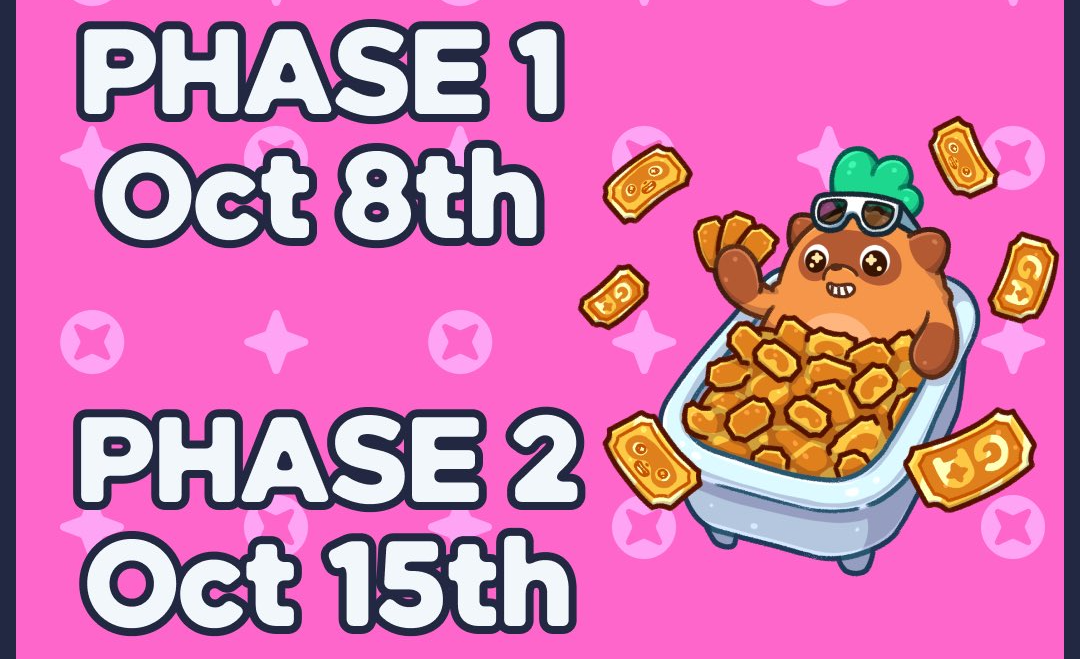
- October 8–14 (1:00 EST): lossless raffle.
- October 15 (10:00 EST): opening of the Second Chance Shop.
- October 17 (1:00 EST): presale closes.
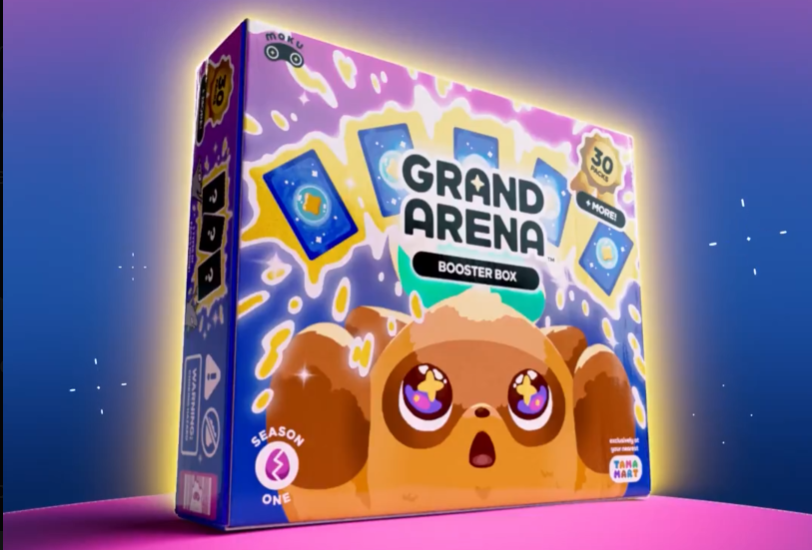
Each ticket costs 100 RON, with no purchase limit. Booster Boxes include 150 cards and are cheaper than individual packs sold during the season. They also contain exclusive promotional cards and access to multiple early rewards:
- A Champion Slot for whoever buys the most tickets within the first 24 hours.
- Additional raffles for early buyers within the first 10 minutes.
- Day-one incentive prizes, including Champion Slots, Moki Eggs, and Lucky Eggs.
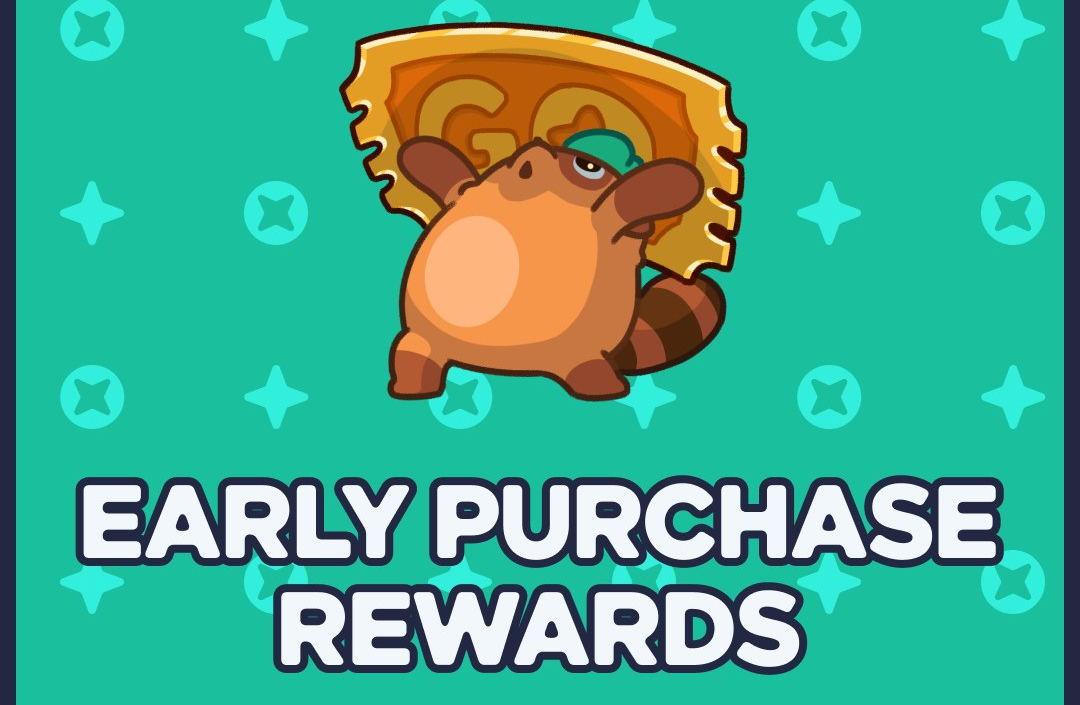
In the Second Chance Shop, participants can win new prizes, including additional Gyms, Mokis, and Champion Slots. Booster Boxes can be freely traded on OpenSea and Ronin Market.
Preseason Mayhem: preparation before official competition
Starting October 27 (around 10:00 EST), the Preseason Mayhem phase begins, lasting about three to four weeks. During this stage, players can train their Mokis and optimize them for the official season launch.
The top 100 players on the leaderboard will receive Champion Slots, a major advantage ahead of the global launch.
Official Season: the start of continuous competition
The official Grand Arena season is scheduled to begin one to two weeks after preseason ends. To participate, players will need gems, an in-game currency purchasable with assets like USDC or ETH from compatible EVM chains.
Once the season is live, players can open packs, form lineups, and accumulate mXP to compete for the main prize pool.
Champions, Gyms, and Mokis
Champion Mokis
Champions are standout Mokis that appear as special cards within packs. Their owner receives royalties from every sale of packs or card transactions related to their Moki. These benefits are automatically transferred to the new owner if the Moki is sold.
Champions rotate each season, except for unique (1/1) editions, which retain their status permanently.
Gyms: the community dimension
Gyms function as soulbound NFTs (non-transferable) that act as guilds or referral systems. Leaders earn rewards whenever members buy packs or join contests and can activate boosts that enhance collective performance.
Around 200 Gyms are expected to be created before the start of Season 1, and interested communities can apply for one for free through the official form.
Mokis: evolving digital athletes
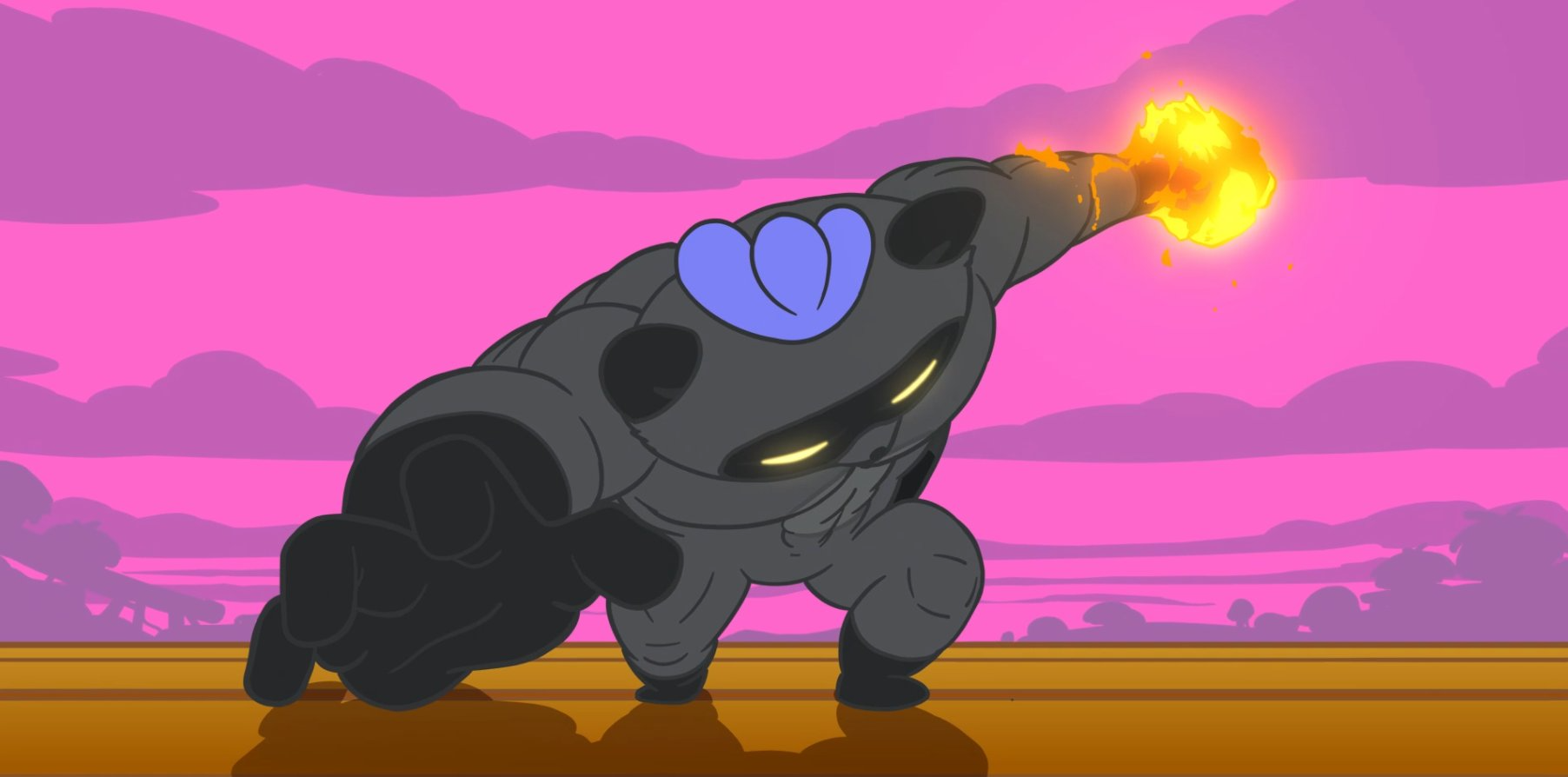
Moki NFTs are the core of the system. Beyond being collectibles, they function as AI athletes that train and compete autonomously. Each attribute upgrade increases potential rewards and the mXP their owner generates.
Mokis can currently be purchased on OpenSea and Ronin Market.
A backed ecosystem
The announcement of a $1 million prize pool for the first season has attracted attention from specialized media outlets like Esports Insider, Blockchain Gamer, and Geek Metaverse.
These publications highlight Moku’s ambition to merge three key concepts:
- fantasy sports,
- blockchain digital assets,
- and artificial intelligence autonomy applied to competitive entertainment.
The economic model combines revenue from card sales, secondary royalties, and fee redistribution to sustain future seasons.
5
0
NEWSLETTER
Subscribe!
And find out the latest news
Other news you might be interested in
Etiquetas


