Netflix, Spotify, and Game Pass: The Ultimate Guide to Mastering Your Phantom Expenses

'/%3e%3cpath%20d='M4.94162%205.99547L4.02701%205.08086L3.63428%205.47359L4.94162%206.78093L7.63768%204.08487L7.24495%203.69214L4.94162%205.99547Z'%20fill='white'/%3e%3cdefs%3e%3clinearGradient%20id='paint0_linear_2302_10195'%20x1='0.5'%20y1='10'%20x2='10.4939'%20y2='10'%20gradientUnits='userSpaceOnUse'%3e%3cstop%20stop-color='%234E10FF'/%3e%3cstop%20offset='1'%20stop-color='%23AB17DF'/%3e%3c/linearGradient%3e%3c/defs%3e%3c/svg%3e)
Subscriptions Draining Your Wealth: Don Roi’s Master Guide to Netflix, Spotify, and Game Pass
Digital subscriptions like Netflix, Spotify, and Game Pass act as a silent drain on your personal economy, accumulating expenses that can exceed $1,000 annually without you noticing. To regain control of your capital, it is imperative to apply a monthly audit of automatic debits and prioritize smart investment over passive recurring consumption.
The modern digital ecosystem has mutated from an ownership model to an access-based one. We no longer buy games or movies; we rent the right to watch or play them for a limited time. This transition, known as the "Subscription Economy," is psychologically designed to minimize payment friction, turning what was once a conscious purchase decision into a passive, constant outflow of cash.
Do you know how much you actually spend each month? Data indicates that the average user maintains between 5 and 8 active subscriptions, ranging from video streaming to gaming services, cloud storage, and social utilities like Discord Nitro. The total sum is often a financial "blind spot" that Don Roi defines as the true NPC of your real life: a character that steals your gold while you sleep or are logged out of the game.
 Infinite catalogs are the bait for an expense that is rarely fully utilized.
The Infinite Micropayment Syndrome
Tech companies are masters of choice architecture. By breaking down an annual cost into seemingly insignificant monthly installments (the famous "just for the price of a coffee"), they eliminate the "pain of paying." It’s the same psychology applied in mobile free-to-play games: a $2 skin doesn’t seem expensive, but a collection of 50 skins represents a significant investment that generates no tangible return.
The technical problem isn't the service itself. Xbox Game Pass, for example, offers indisputable value for an active gamer. The conflict arises when we pay for availability rather than usage. Keeping Netflix "just in case something good comes out" while spending the entire month immersed in a 100-hour RPG is, financially speaking, an asset management error. You are paying for a server you are not querying.
Let's analyze the numbers for a "standard gamer" in the region:
- Netflix (Standard Plan): $15.49
- Spotify Premium: $10.99
- Game Pass Ultimate: $16.99
- Prime Video / Disney+: $13.99
- Others (iCloud, Discord, etc): $9.99
Total: ~$67.45 per month. By the end of a year, you've burned ~$809.40. To put this into technical perspective: that figure is the equivalent of doubling your RAM, buying a high-refresh-rate monitor, or even financing part of a new-generation GPU.
Technical Analysis: Opportunity Cost
In the world of professional investing, the key concept that separates winners from losers is Opportunity Cost. Every dollar allocated to a subscription you don't use is a dollar that loses the ability to generate interest through compound interest.
Don Roi always says: Smart investors don’t see $20 as a minor expense; they see it as the seed capital of a long-term portfolio.
| Concept | Passive Spending | Active Investment (8% annually) |
|---|---|---|
| Monthly | $20 | $20 |
| Annual | $240 | $248 |
| In 10 years | -$2,400 | +$3,650 |
The difference is staggering. The gap between having a solid net worth and living "paycheck to paycheck" is often hidden in these small debits we consider harmless. Compound interest is the most powerful force in the financial universe, and redundant subscriptions are its primary saboteur.
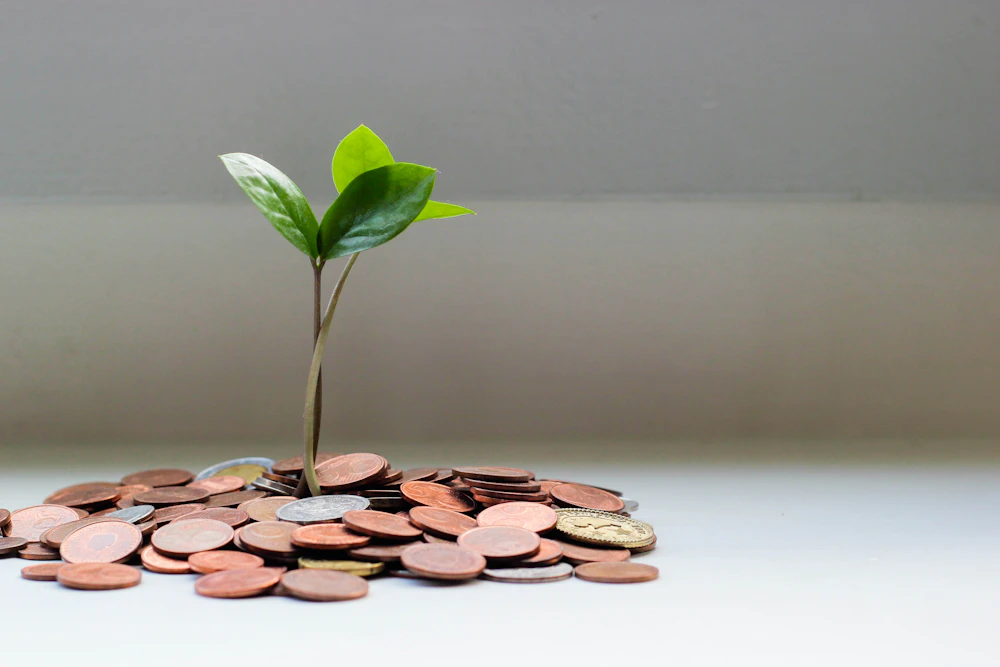 Every dollar saved today is a soldier working for your freedom tomorrow.
Don Roi’s Methodology for Financial Freedom
To master the money game, you must follow the fundamental pillars Don Roi has designed for the OLA community. These steps are not suggestions; they are the source code for your economic success:
- Spend less than you earn: It sounds obvious, but most people use credit to finance a lifestyle their income doesn't support. If your monthly balance is negative, you have a "memory leak" in your economy.
- Pay yourself first: Before paying Netflix, Spotify, or your ISP, set aside a percentage (at least 10%) for your investment fund. You are the most important project.
- The Emergency Fund as a Shield: You should have at least 3 months of basic expenses saved. This gives you the technical peace of mind to cancel subscriptions without the irrational fear of "losing access."
- Conscious Consumption: The remaining money after saving and investing is for enjoyment. Subscriptions fall here, but only under actual demand.
Optimization Strategy: The "Audit Protocol"
The immediate action you must execute today is the Bank Statement Audit. Follow these technical steps:
- Download the PDF of your card statement from the last 2 months.
- Highlight every recurring automatic debit in color.
- Apply the filter: "Have I used this service for more than 5 hours this month?".
- If the answer is NO, cancel the subscription immediately.
Don't suffer over the "loss." Most of these platforms allow you to reactivate your account with a single click. If a series you really want to watch comes out next month, subscribe for 30 days, finish it, and cancel again. Don't let corporate convenience become your financial burden.
In conclusion, he who controls his subscriptions controls his future. In the OLA ecosystem, we look for players who not only dominate the meta of their favorite games but also dominate the meta of their own financial lives. Money is energy, and you don't want to waste it on servers you aren't inhabiting.
2
0
NEWSLETTER
Subscribe!
And find out the latest news


