
'/%3e%3cpath%20d='M4.94162%205.99547L4.02701%205.08086L3.63428%205.47359L4.94162%206.78093L7.63768%204.08487L7.24495%203.69214L4.94162%205.99547Z'%20fill='white'/%3e%3cdefs%3e%3clinearGradient%20id='paint0_linear_2302_10195'%20x1='0.5'%20y1='10'%20x2='10.4939'%20y2='10'%20gradientUnits='userSpaceOnUse'%3e%3cstop%20stop-color='%234E10FF'/%3e%3cstop%20offset='1'%20stop-color='%23AB17DF'/%3e%3c/linearGradient%3e%3c/defs%3e%3c/svg%3e)
En los últimos años, muchos jugadores comenzaron a notar una diferencia clara entre ciertos títulos. Algunos se sienten ligeros, dinámicos y entretenidos. Otros, en cambio, se parecen más a una rutina obligatoria.
La diferencia no siempre está en los gráficos o en la dificultad. Está en el diseño.
Cuando jugar se convierte en cumplir tareas
En varios modelos de GameFi, el sistema recompensa acciones repetitivas. Entrar todos los días, completar misiones específicas, optimizar rutas o ejecutar siempre la misma estrategia.
Al principio, esto puede parecer motivador. Hay progreso visible y una recompensa clara.
Pero cuando la estructura gira únicamente alrededor de maximizar beneficios, el jugador empieza a actuar por obligación y no por interés.
En ese momento:
- Se prioriza eficiencia sobre diversión
- Se repite lo que más rinde
- Se evita experimentar
- El juego se siente como una tarea pendiente
La experiencia deja de ser exploración y se transforma en rutina.
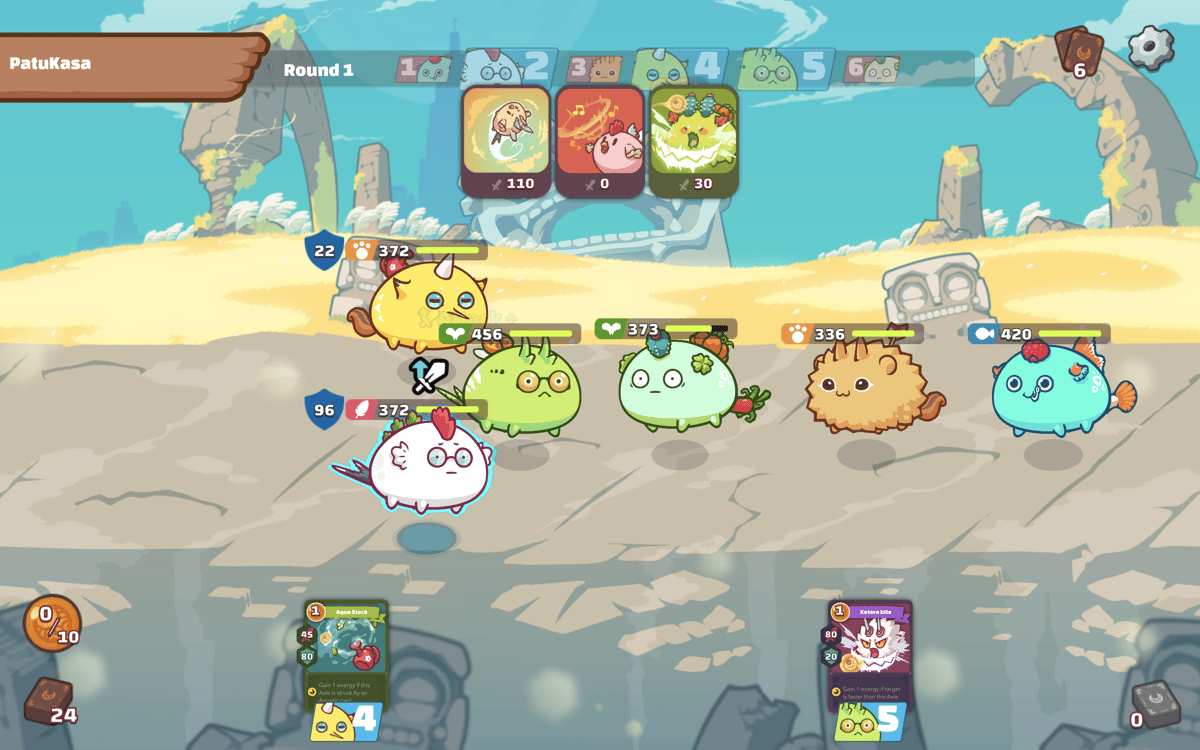
El diseño que genera presión constante
Tu cuenta de OLA vale premios
Juega La Garra, busca el tesoro y canjea en la Tienda. Crear la cuenta es gratis.
Crear mi cuentaUn juego puede parecer trabajo cuando:
- Penaliza no conectarse diariamente
- Obliga a cumplir metas para no “perder valor”
- Limita la libertad de elegir cómo avanzar
- Reduce el progreso a métricas de rendimiento
Cuando cada sesión se siente como algo que “hay que hacer”, el jugador pierde autonomía.
El sistema empieza a dominar la experiencia.

La diferencia con un juego bien equilibrado
En contraste, los juegos que no se sienten como trabajo comparten ciertas características:
- Permiten jugar a distintos ritmos
- No castigan la ausencia
- Ofrecen variedad de caminos
- Premian la exploración, no solo la optimización
En estos casos, la recompensa acompaña al juego, pero no lo reemplaza.
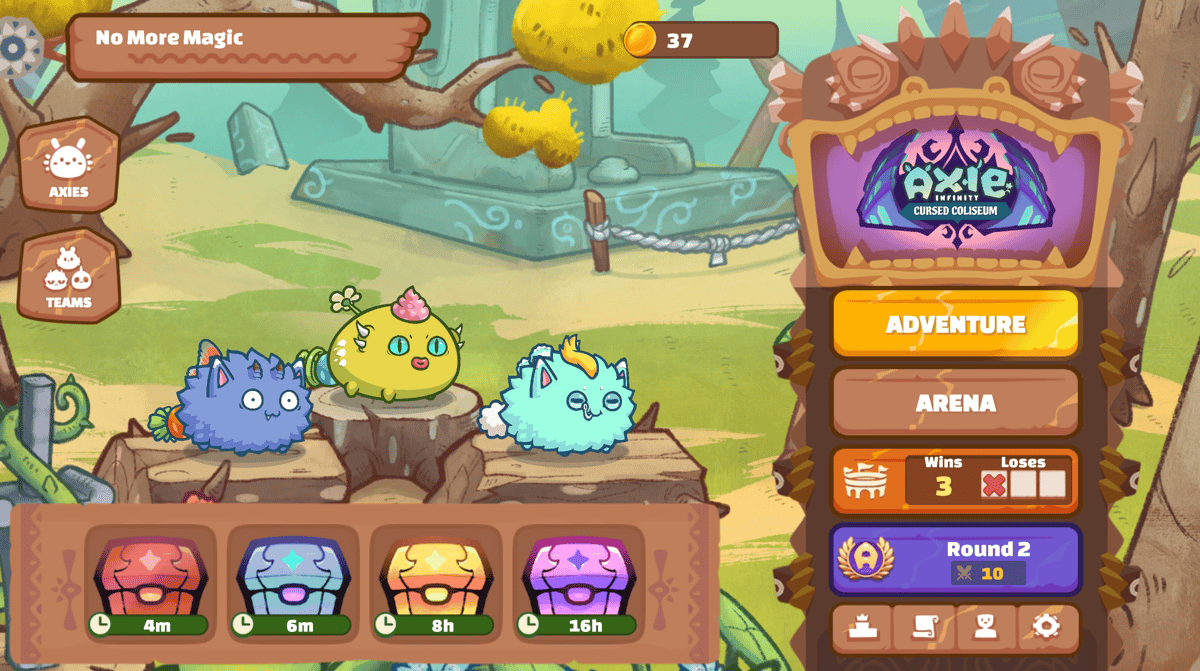
Un ejemplo claro es cómo títulos tradicionales priorizan la experiencia antes que el rendimiento económico. Incluso en juegos con economías internas, como Axie Infinity en sus primeras etapas, el equilibrio entre sistema y entretenimiento fue clave para sostener el interés.
Cuando la motivación cambia, cambia todo
La pregunta central no es cuánto paga un juego, sino por qué el jugador entra.
Si la motivación principal es externa (ganar algo fuera del juego) la experiencia tiende a volverse instrumental. El jugador busca resultados, no momentos.
En cambio, cuando la motivación es interna (superar un desafío, descubrir algo nuevo, mejorar habilidades) el juego mantiene su esencia.
El rol de las recompensas
Las recompensas no son el problema. De hecho, pueden mejorar la experiencia cuando están bien integradas.
El problema surge cuando:
- Se vuelven el único objetivo
- Reemplazan la curiosidad
- Eliminan la libertad de elección
En ese punto, el jugador deja de jugar y empieza a ejecutar.

Qué se puede aprender de esta diferencia
Un juego no debería sentirse como obligación constante.
Cuando el diseño prioriza equilibrio, el jugador decide volver. Cuando prioriza rendimiento, el jugador calcula si conviene.
La diferencia puede parecer sutil, pero cambia toda la experiencia.
Una conclusión clara
Algunos juegos parecen trabajos porque fueron diseñados alrededor de métricas y recompensas constantes.
Otros siguen siendo juegos porque el sistema acompaña, pero no controla.
La clave no está en cuánto ofrecen, sino en cómo lo hacen.
2
0
Otras novedades que podrían interesarte
Etiquetas


