Star Duel: cómo funcionan sus minijuegos, duelos, torneos y recompensas

'/%3e%3cpath%20d='M4.94162%205.99547L4.02701%205.08086L3.63428%205.47359L4.94162%206.78093L7.63768%204.08487L7.24495%203.69214L4.94162%205.99547Z'%20fill='white'/%3e%3cdefs%3e%3clinearGradient%20id='paint0_linear_2302_10195'%20x1='0.5'%20y1='10'%20x2='10.4939'%20y2='10'%20gradientUnits='userSpaceOnUse'%3e%3cstop%20stop-color='%234E10FF'/%3e%3cstop%20offset='1'%20stop-color='%23AB17DF'/%3e%3c/linearGradient%3e%3c/defs%3e%3c/svg%3e)
Los juegos competitivos llevan años enfrentando a millones de jugadores alrededor del mundo, pero pocas plataformas han intentado convertir cada partida en una competencia donde la habilidad tenga un impacto directo sobre las recompensas obtenidas. Esa es la propuesta de Star Duel, un proyecto que combina minijuegos multijugador, sistemas de progresión, torneos y una economía interna diseñada para premiar el rendimiento de los participantes.
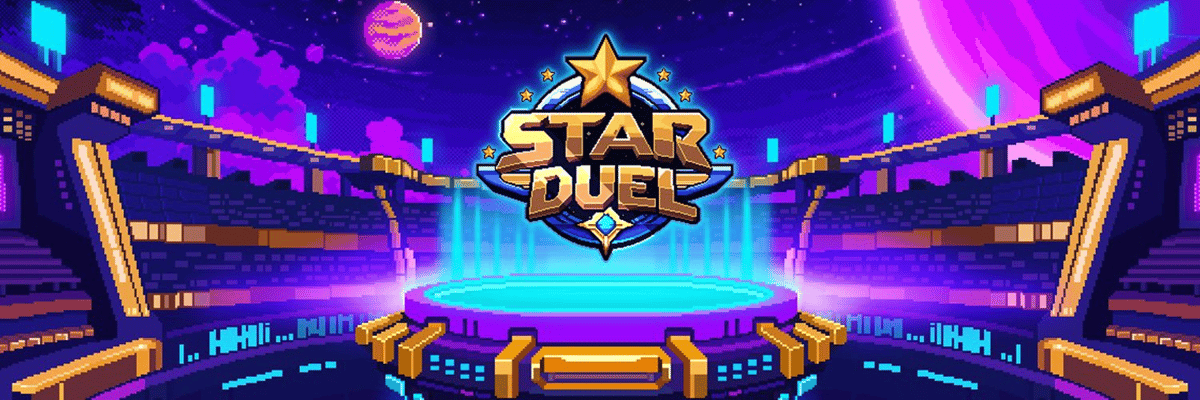
La plataforma permite competir en enfrentamientos rápidos de apenas unos minutos de duración, donde los jugadores pueden crear duelos personalizados, participar en torneos y escalar posiciones dentro de un sistema de rangos que recompensa tanto las victorias como la constancia.
¿Cómo funciona Star Duel?
Star Duel está construido alrededor de un sistema de enfrentamientos directos entre jugadores. Cada partida representa una competencia donde el objetivo es demostrar quién posee mejores habilidades dentro de alguno de los minijuegos disponibles.
Desde la sección de juego, los usuarios pueden crear una partida personalizada o unirse a una ya existente. Durante la configuración es posible elegir el minijuego, la modalidad, el valor de inscripción y si la partida será pública o privada.
Tu cuenta de OLA vale premios
Juega La Garra, busca el tesoro y canjea en la Tienda. Crear la cuenta es gratis.
Crear mi cuenta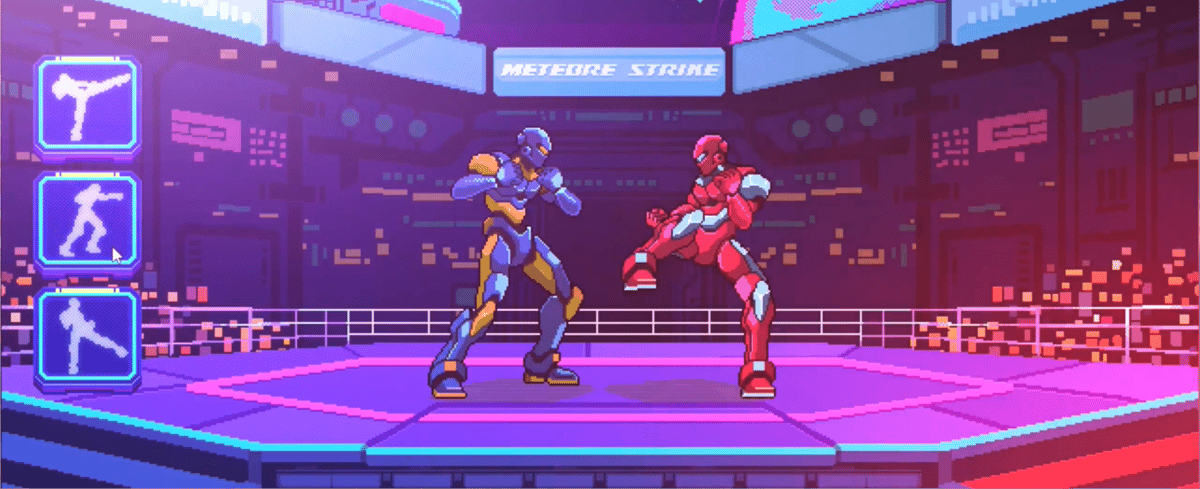
Las partidas públicas aparecen en un listado accesible para toda la comunidad. Por otro lado, las privadas pueden protegerse mediante contraseña para organizar competencias entre amigos o grupos específicos.
Una vez que los participantes se unen, ingresan a una sala previa donde deben confirmar su participación antes de que el enfrentamiento comience oficialmente.
Duelo o torneo: dos formas de competir
Star Duel permite competir mediante duelos individuales o torneos. Los duelos enfrentan a dos jugadores en una partida directa donde únicamente uno puede salir victorioso. Los torneos, por su parte, permiten la participación de cuatro u ocho jugadores, aumentando tanto la dificultad como las recompensas potenciales.
Este sistema busca ofrecer opciones tanto para jugadores casuales que desean partidas rápidas como para quienes buscan desafíos más competitivos.
Minijuegos diseñados para partidas rápidas y competitivas
Uno de los pilares de Star Duel es su catálogo de minijuegos. Todos han sido desarrollados para ofrecer partidas cortas, normalmente entre dos y tres minutos, permitiendo competir varias veces en una sola sesión.
Entre los juegos disponibles se encuentra Tank Nova, un enfrentamiento de tanques con vista superior donde la estrategia y la precisión resultan fundamentales. Meteor Strike apuesta por el combate por turnos y la lectura de movimientos del rival.
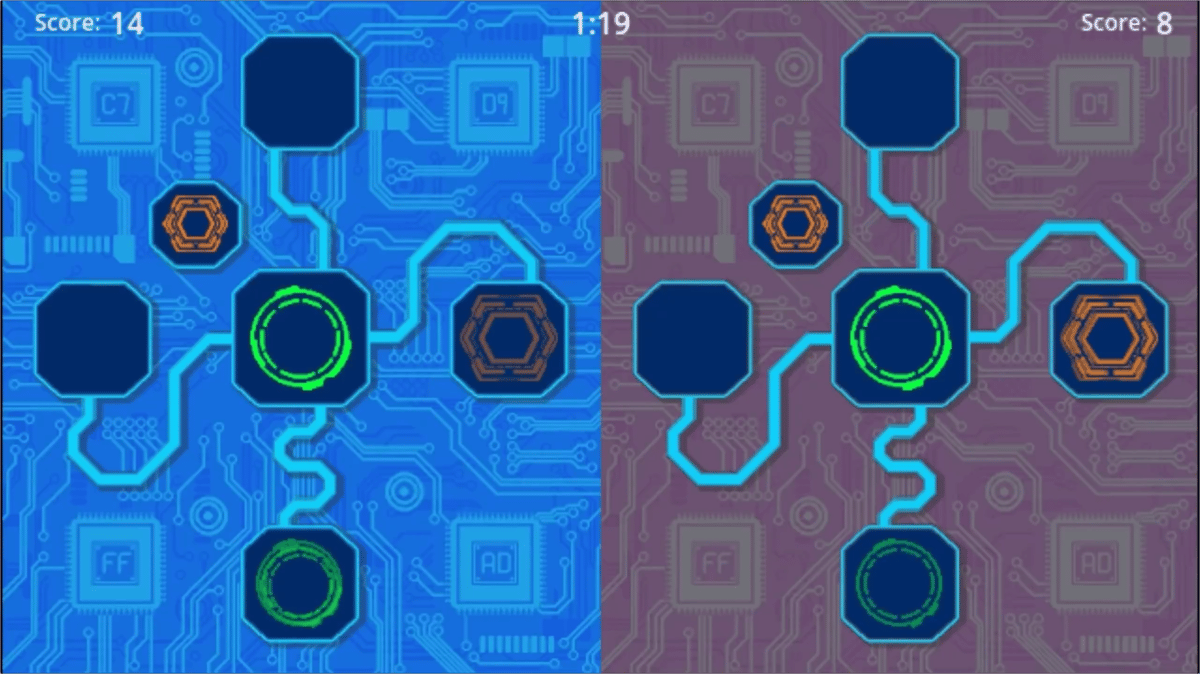
Los jugadores también pueden encontrar propuestas como Star Bounce, inspirado en Pong; Starship Escape, centrado en plataformas y precisión; Ascend-X, enfocado en velocidad mental; Shape Match, basado en reconocimiento visual; Arrow Duel, inspirado en los duelos del viejo oeste; Nexus Code, dedicado a la lógica y la deducción; y Velocity Rush, una carrera futurista donde los reflejos marcan la diferencia.
Según el equipo de desarrollo, nuevos minijuegos serán incorporados progresivamente para ampliar la variedad de experiencias disponibles.
Cómo funcionan las recompensas
Cada partida dentro de Star Duel utiliza un sistema de recompensas directamente vinculado a las inscripciones realizadas por los participantes.
Cuando comienza un duelo o torneo, las inscripciones son reunidas temporalmente en un fondo común. Una vez determinado el ganador, el sistema distribuye automáticamente los fondos.
Distribución de premios
- El ganador recibe el 85% del total recaudado.
- El 15% restante se destina al mantenimiento del ecosistema.
- Las recompensas quedan disponibles inmediatamente al finalizar la partida.
Por ejemplo, una inscripción de 10 Starbits genera una recompensa de 17 Starbits en un duelo. En los torneos las ganancias potenciales aumentan considerablemente, alcanzando multiplicadores de hasta 6,8 veces la inscripción inicial.
Starbit y Quantum Core: las monedas del ecosistema
Star Duel utiliza dos monedas internas para gestionar su economía.
Starbit (SB) es la moneda principal de la plataforma y mantiene una equivalencia de 1 Starbit por 1 USDT. Se utiliza para pagar inscripciones y recibir recompensas.
Por otra parte, Quantum Core (QC) funciona como una moneda de incentivos utilizada en torneos oficiales, programas de referidos y eventos especiales.
La tasa de conversión establecida es:
10 Quantum Core = 1 Starbit
Según el proyecto, este modelo busca reducir la volatilidad asociada a los mercados de criptomonedas y facilitar el cálculo de costos y recompensas.
8
0
Otras novedades que podrían interesarte
Etiquetas


