
'/%3e%3cpath%20d='M4.94162%205.99547L4.02701%205.08086L3.63428%205.47359L4.94162%206.78093L7.63768%204.08487L7.24495%203.69214L4.94162%205.99547Z'%20fill='white'/%3e%3cdefs%3e%3clinearGradient%20id='paint0_linear_2302_10195'%20x1='0.5'%20y1='10'%20x2='10.4939'%20y2='10'%20gradientUnits='userSpaceOnUse'%3e%3cstop%20stop-color='%234E10FF'/%3e%3cstop%20offset='1'%20stop-color='%23AB17DF'/%3e%3c/linearGradient%3e%3c/defs%3e%3c/svg%3e)
In 2026, playing Minecraft with mods has become a common practice for players seeking better performance, more on-screen information, and improved gameplay mechanics. With modern versions of the game, Fabric and NeoForge have established themselves as the main mod loaders.

This article brings together the most widely used and relevant mods of the year, compatible with Fabric, NeoForge, or both, organized by function and focused on enhancing the experience without altering the core essence of the base game.
Optimization and performance
One of the main reasons to install mods in 2026 is to improve game performance, especially in large worlds or setups with multiple active modifications.
Sodium is the reference mod for graphical optimization. It replaces Minecraft’s rendering system, delivering a noticeable FPS increase and greater visual stability. It is widely used on Fabric and offers functional support for NeoForge.
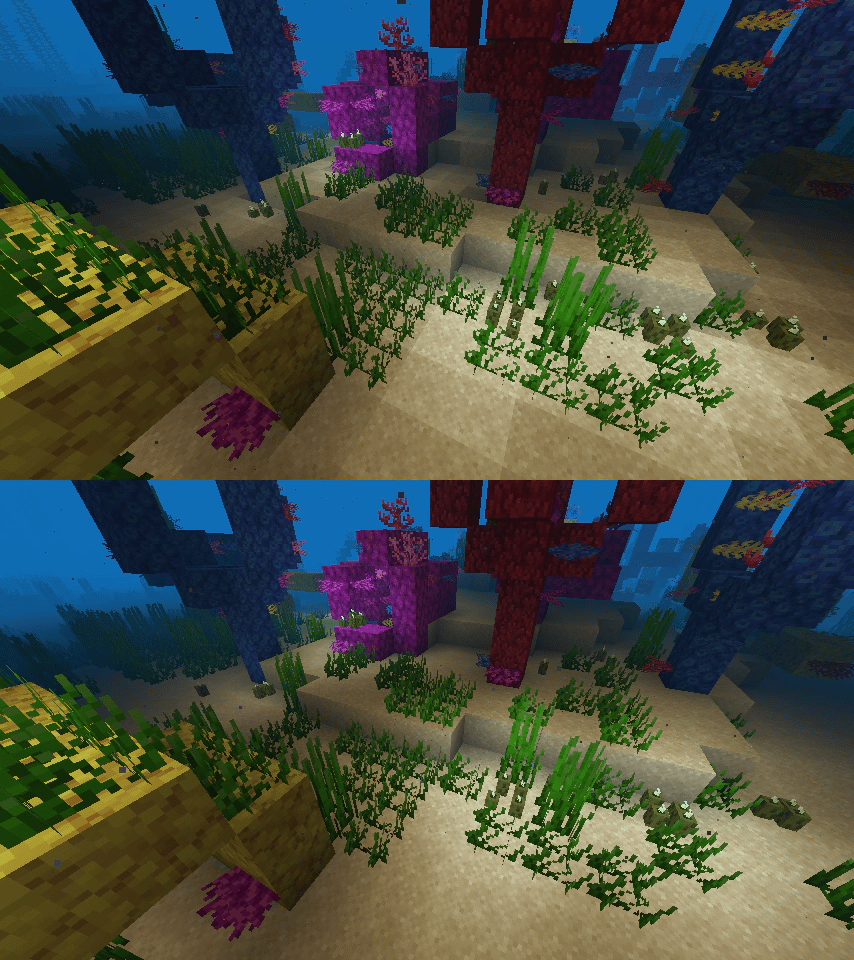
Lithium optimizes internal processes such as game logic, entity AI, and world simulation. Its impact is less visible but remains essential for improving overall performance in both single-player worlds and servers.
C2ME (Concurrent Chunk Management Engine) improves chunk loading and generation by leveraging multiple CPU cores, making it especially useful during exploration or on servers with multiple players.
Quality of life and essential utilities
Quality-of-life mods do not change the game’s content, but they reduce friction and improve the amount of information available to the player.
Your OLA account is worth prizes
Play the Claw, hunt the treasure and redeem in the Store. Creating an account is free.
Create my accountJust Enough Items (JEI) allows players to check crafting recipes, item uses, and processes directly from the inventory, simplifying interaction with other mods and resource management.
Jade displays contextual information about blocks and entities when aiming the cursor at them, such as names, states, stored energy, or internal inventories. It is the modern successor to WAILA and HWYLA and works on both Fabric and NeoForge.
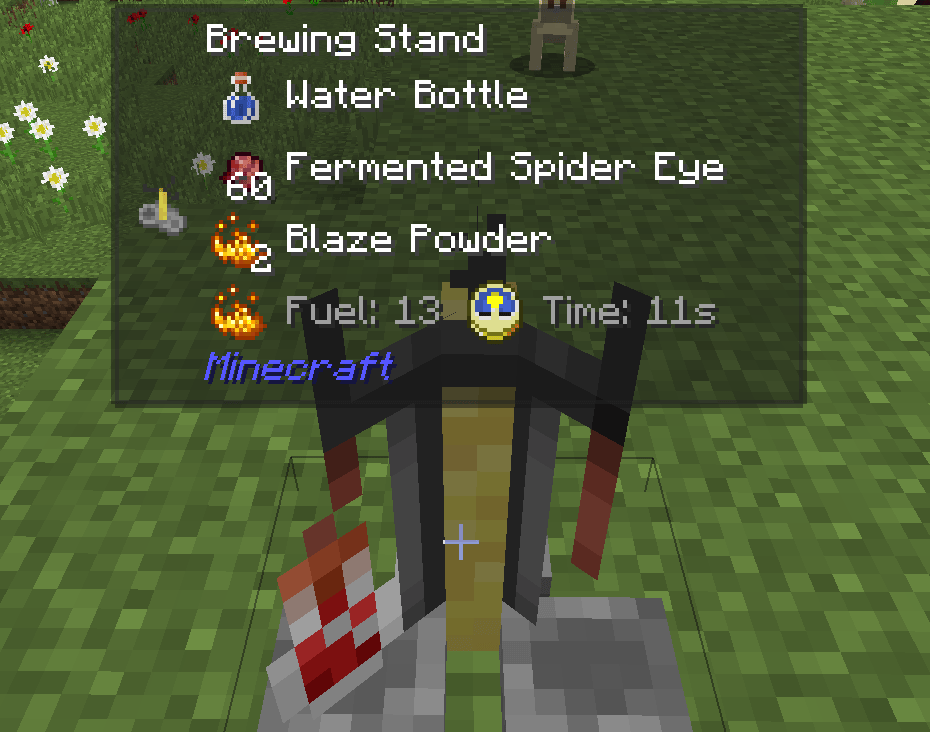
Mod Menu adds a panel to the main menu that lists all installed mods and provides quick access to their configuration options.
AppleSkin enhances the visualization of the hunger and saturation system, displaying precise nutritional information directly in the interface.
Exploration, building, and world interaction
Exploration and building remain central pillars of Minecraft, and several mods expand these areas while maintaining consistency with the base game.
WorldEdit is an advanced tool for editing large areas of the world, allowing players to copy, paste, and modify structures efficiently. It is widely used by builders and server administrators alike.
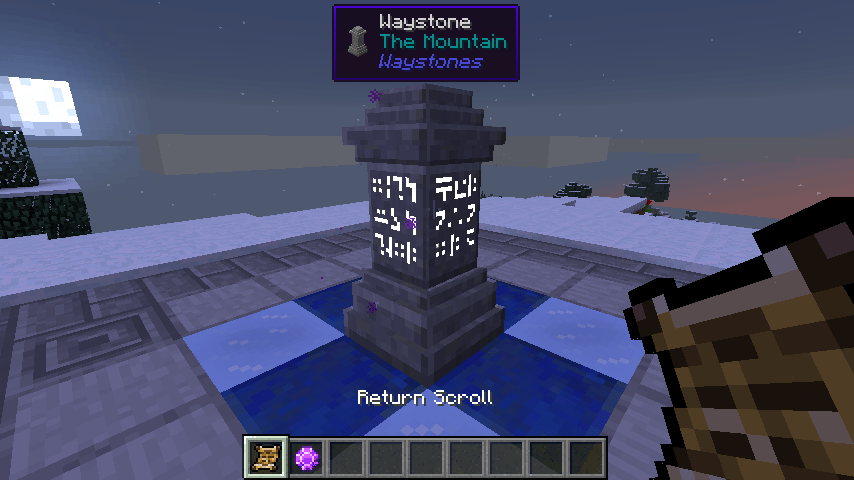
Waystones introduces a fast travel system using previously activated points, making movement across large worlds easier without removing the sense of exploration.
Supplementaries adds decorative and functional blocks and items that enrich builds without altering core gameplay.
Additional content and new mechanics
Some mods directly expand gameplay possibilities by adding complete systems or new entities.
Create introduces a kinetic engineering system featuring gears, pulleys, trains, and mechanical automation. It is available for Fabric and NeoForge and is commonly included in technical modpacks.
Alex’s Mobs expands the game’s fauna with new creatures, each featuring unique behaviors, adding variety and immersion without disrupting the balance of the base game.
Survival and personalization
In survival gameplay, certain mods focus on reducing frustration and improving everyday experience.
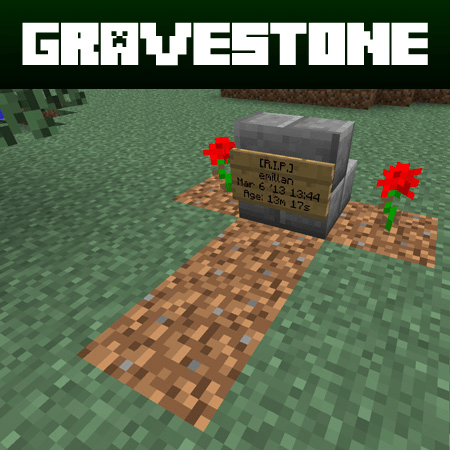
GraveStone creates a grave or marker upon death, storing the player’s items to make recovery easier.
Inventory HUD+ adds visual information about tools, armor, and status effects directly to the HUD.
Controlify provides native controller support for Minecraft: Java Edition, including vibration, adapted menus, and compatibility with interface mods. It is especially relevant for Steam Deck users and console-style controllers.
Fabric and NeoForge in 2026: compatibility and choice
In 2026, Fabric remains the preferred option for performance and quality-of-life mods due to its lightweight design and fast update cycle. NeoForge continues to gain ground in large modpacks and complex content mods, offering stability and long-term support.
Before installing any mod, it is essential to verify:
- the exact Minecraft version,
- the compatible mod loader,
- and any required dependencies.
Platforms such as Modrinth and CurseForge remain the primary repositories for downloading mods safely.

The Minecraft mod ecosystem in 2026 is defined by the consolidation of Fabric and NeoForge as the leading platforms. Mods such as Sodium, Jade, JEI, and Create reflect a clear trend toward improved performance, better player information, and expanded mechanics without losing coherence with the base game.
2
0
Other news you might be interested in
Etiquetas


