Resident Evil Requiem: How to complete it in under 3 hours and get an S+ rank

'/%3e%3cpath%20d='M4.94162%205.99547L4.02701%205.08086L3.63428%205.47359L4.94162%206.78093L7.63768%204.08487L7.24495%203.69214L4.94162%205.99547Z'%20fill='white'/%3e%3cdefs%3e%3clinearGradient%20id='paint0_linear_2302_10195'%20x1='0.5'%20y1='10'%20x2='10.4939'%20y2='10'%20gradientUnits='userSpaceOnUse'%3e%3cstop%20stop-color='%234E10FF'/%3e%3cstop%20offset='1'%20stop-color='%23AB17DF'/%3e%3c/linearGradient%3e%3c/defs%3e%3c/svg%3e)
Completing Resident Evil Requiem in under 3 hours is a goal aimed at players looking to optimize their performance to the highest level. While a standard playthrough can last between 12 and 16 hours, the game allows this time to be significantly reduced through efficient routes, prior knowledge, and the strategic use of unlockable upgrades.
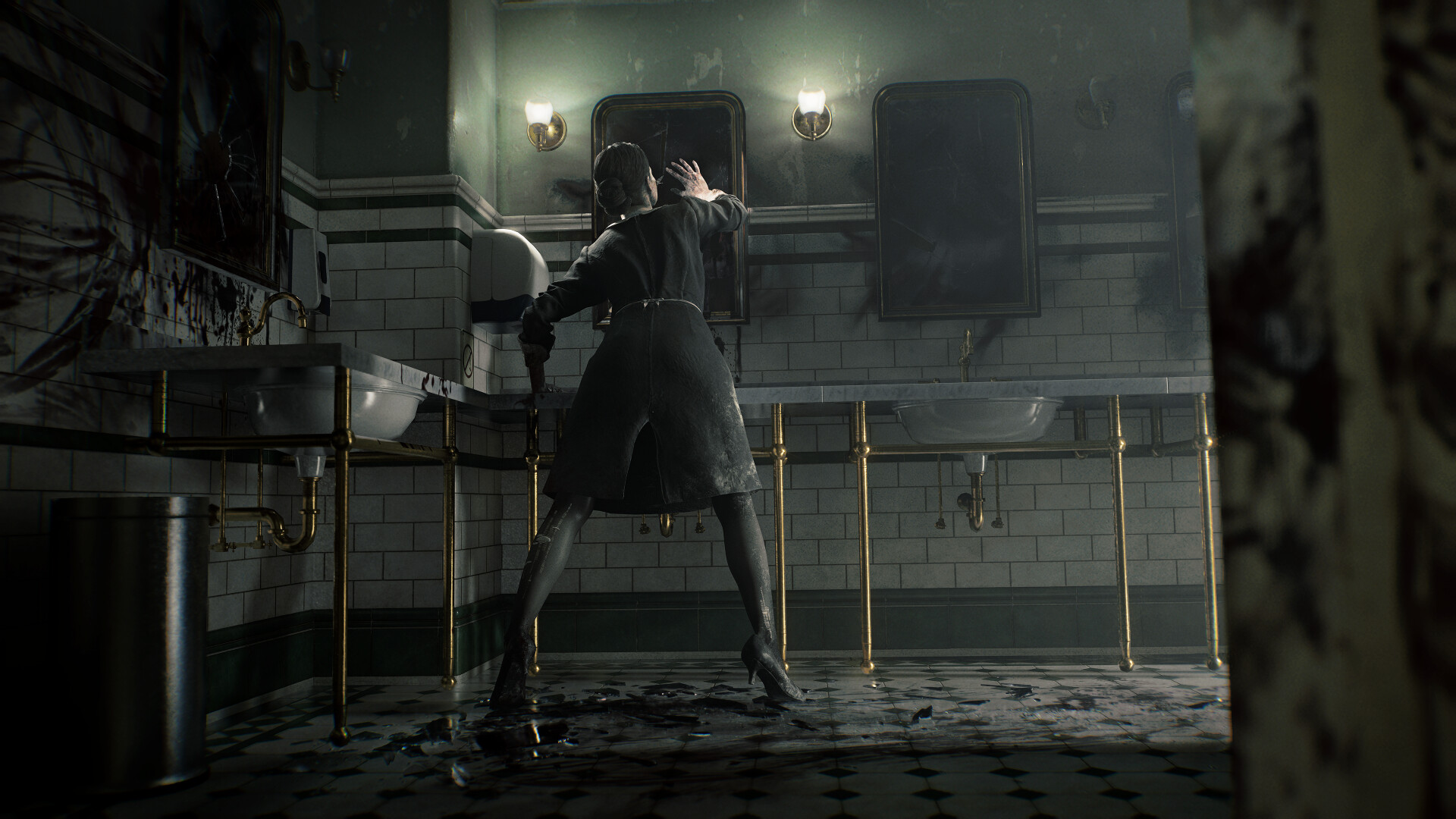
This guide explains how to structure a speed-focused run while maintaining all the key elements required to achieve performance equivalent to an S+ rank.

What does it mean to complete the game in under 3 hours?
The game sets a benchmark of completing the story in under 4 hours to obtain specific rewards. However, reducing that time to under 3 hours requires more precise execution, similar to advanced speedrun routes.
This means progressing without unnecessary interruptions, avoiding extra exploration, and making decisions focused solely on advancing. In this type of run, every minute matters: stopping to collect items or engaging optional enemies can directly affect the final result.
Preparation: the key to the attempt
Before attempting a speedrun, it is necessary to complete the game at least once. This initial experience allows players to understand the overall structure, memorize routes, and solve puzzles without improvisation.
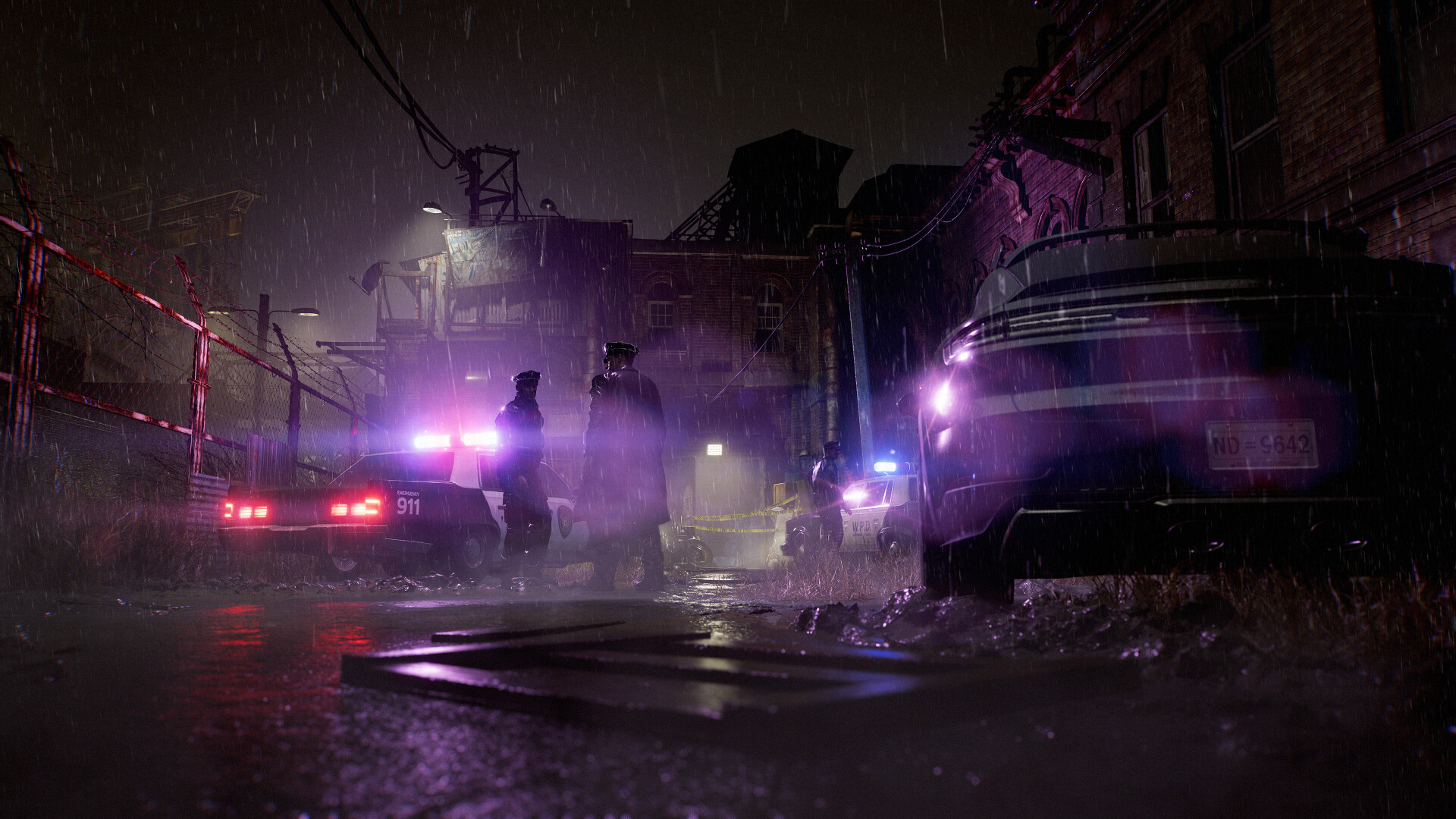
Additionally, during this first playthrough, important resources are unlocked that make the speedrun easier, such as upgraded weapons, infinite ammo, or tools that reduce combat difficulty. These elements are not mandatory, but they make a significant difference in execution.

Recommended settings to optimize time
For a speed-focused attempt, the game configuration should prioritize fluidity. The lowest difficulty is the most efficient option, as it reduces enemy resistance and allows progress without constant reliance on resources. In this context, combat is no longer the central focus but an obstacle to resolve quickly or avoid.
It is also important to minimize inventory management. Checking items, reorganizing space, or hesitating over what to keep leads to cumulative time loss. An optimized run prioritizes fewer weapons, high damage, and fast decisions.
Saving should also be strategic. Saving before complex sections allows repetition in case of mistakes without compromising the total run time.
General strategy: progress without interruptions
Avoid unnecessary combat
One of the most common mistakes is trying to eliminate all enemies. In a speedrun, this is not necessary. Most encounters can be avoided, especially in open areas or routes with alternative paths.
Weapons should be reserved for mandatory situations, such as bosses or enemies blocking progression.
Follow optimized routes
Most time is lost during exploration. For this reason, knowing the exact path to each objective is essential.
An efficient route avoids detours, eliminates unnecessary backtracking, and minimizes interaction with secondary elements. This includes ignoring collectibles, documents, and optional areas.

Solve puzzles without trial and error
Puzzles can become one of the biggest time sinks if not previously learned. In an optimized run, each solution should be executed directly.
This requires memorizing codes, combinations, or sequences during previous playthroughs.
Reduce interruptions
Cutscenes should be skipped whenever possible. Similarly, unnecessary pauses—such as checking the map without a clear reason—affect the overall pace.

An important detail is that pause time usually does not count toward the timer, allowing planning without affecting the run. However, restarting from scratch does impact total time, so loading saves is recommended instead.
How to approach each phase of the game
Beginning
The start is often where most mistakes occur. Limited resources can lead to unnecessary fights or excessive exploration.
The priority should be to move forward quickly, collecting only essential items and avoiding distractions.
Mid-game
At this stage, players have more tools but also face more complex areas. Discipline is key: avoid detours for extra resources and maintain a consistent pace. Confidence in the route helps prevent time loss due to hesitation.
Final sections
The final parts require precise execution. It is recommended to use the most powerful weapons available to eliminate bosses quickly and avoid prolonged fights.
Any mistake at this stage can be costly in terms of time, making prior saves especially important.

Common mistakes that affect performance
One of the main factors impacting final time is the accumulation of small inefficiencies. Exploring unnecessary areas, trying to eliminate every enemy, or spending too much time managing inventory may seem minor but can add several minutes overall.
It is also common to lose time on puzzles due to lack of preparation or failing to repeat inefficient sections after mistakes.
Advanced optimization: combining challenges
A speedrun can also be used to complete additional challenges simultaneously, such as finishing without healing or avoiding certain mechanics.
This approach maximizes rewards in a single run and optimizes overall progression.

6
0
NEWSLETTER
Subscribe!
And find out the latest news
Other news you might be interested in
Etiquetas


