
'/%3e%3cpath%20d='M4.94162%205.99547L4.02701%205.08086L3.63428%205.47359L4.94162%206.78093L7.63768%204.08487L7.24495%203.69214L4.94162%205.99547Z'%20fill='white'/%3e%3cdefs%3e%3clinearGradient%20id='paint0_linear_2302_10195'%20x1='0.5'%20y1='10'%20x2='10.4939'%20y2='10'%20gradientUnits='userSpaceOnUse'%3e%3cstop%20stop-color='%234E10FF'/%3e%3cstop%20offset='1'%20stop-color='%23AB17DF'/%3e%3c/linearGradient%3e%3c/defs%3e%3c/svg%3e)
It seems like someone is finally listening to what players have been asking for years in forums and social media. Nobody likes spending money on a game only to have it stop working overnight just because the company decided to shut down the servers. This April 2026, what started as a protest by a group of enthusiasts has turned into a legal movement that is making major publishers nervous.
The Stop Killing Games initiative, led by Ross Scott, seeks something simple that would change the market rules: when a company stops supporting a game, they should be legally required to leave it in a playable state. They aren't asking for servers to last forever, but for the tools to play on our own or for the code to be released so the community can keep it alive.
Important updates from the United States
The landscape took an interesting turn on April 19, 2026. The U.S. Federal Trade Commission, the famous FTC, has set its sights on these practices and is investigating whether selling a product and then removing access without an alternative can be considered a deceptive business practice.
This is a major blow because if the FTC decides to sanction these companies, the rules will change worldwide. It won't be enough to just agree to those long terms and conditions that nobody reads; companies would have to ensure that what we buy remains ours, even if they move on to another project.
Your OLA account is worth prizes
Play the Claw, hunt the treasure and redeem in the Store. Creating an account is free.
Create my account
The situation in Latin America: Games as an investment
In our region, the issue is felt differently. In countries like Mexico, Brazil, or Argentina, buying a new game is a significant economic effort. It's not just leisure; it's an investment of our money that we expect to last for years. That’s why consumer protection organizations in Latin America are already closely watching what’s happening in Europe and the U.S.
In Brazil, the first collective inquiries are already demanding that online stores be transparent. The idea is simple: if a game has an expiration date, the user should know before paying. It’s a step toward a fairer market where we don't just own something temporarily.
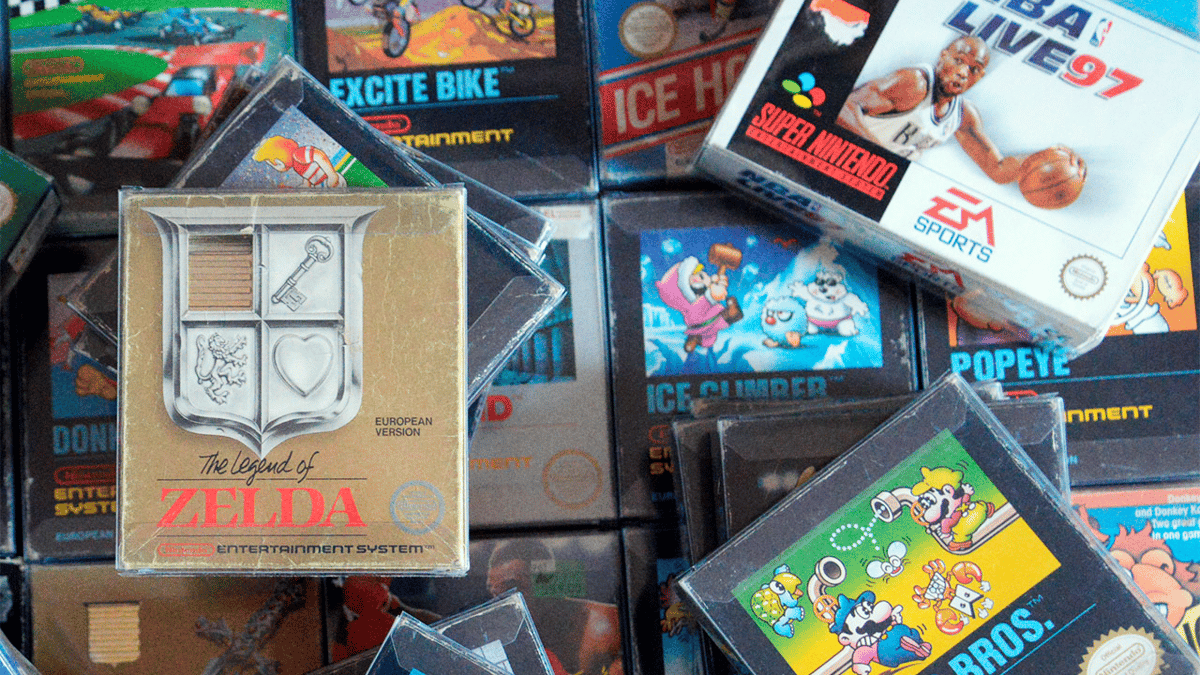
The streaming trap: Rental or Ownership?
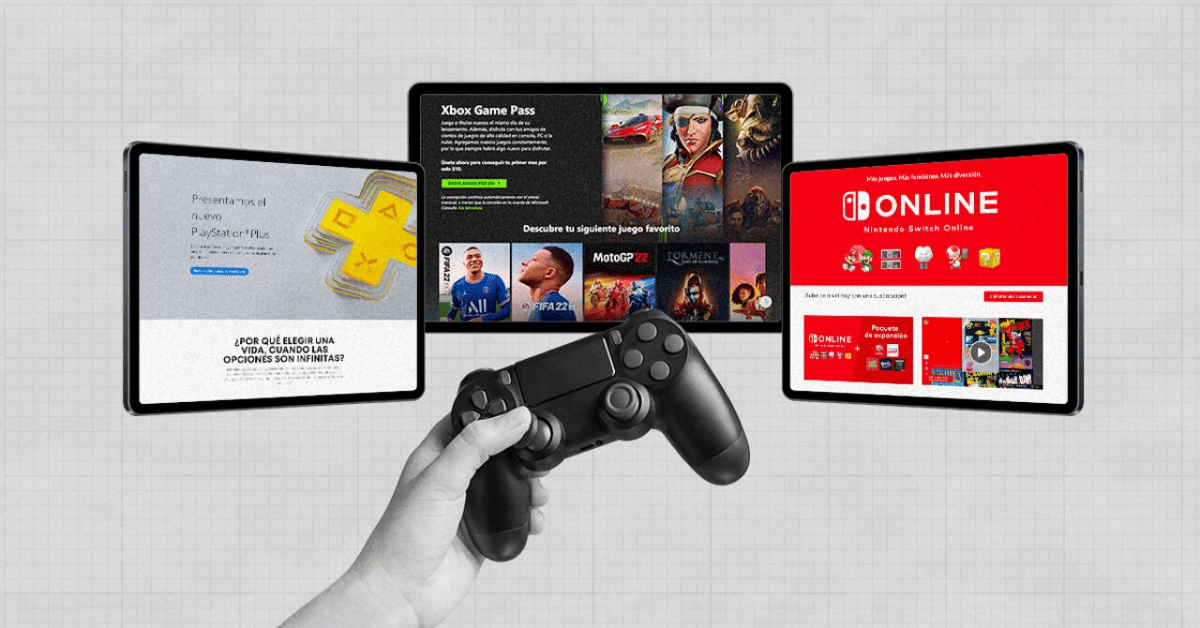
What's happening with video games is a trend we already saw devour music and film. Today you pay a monthly subscription for permission to watch a movie, but the moment you stop paying or the company removes it from their catalog, you're left with nothing. This temporary access model is exactly what major game companies want to impose.
They want us to get used to not owning the game file and depending on a connection and recurring payments. It’s a perfect business for them where they secure monthly revenue and maintain total control. If you decide not to pay or the service closes, hundreds of invested hours vanish. This perpetual rental mentality is the heart of the fight; we buy titles thinking they are ours, but companies treat them as a service they can turn off whenever the numbers don't add up.
It’s undeniable that having hundreds of titles a click away is convenient, but that convenience has a hidden price: giving up the right to keep what we buy. It's not about being against technology, but about demanding that if we pay for a product, it should have a life beyond a board of directors' financial decisions.
A future decided in June
This entire movement is reaching its peak. June 2026 will be key, as it is the deadline for the European Commission to give an official response to the citizens' initiative that has gathered hundreds of thousands of signatures.
We are facing a change in mentality. Gaming is no longer disposable; it is culture and the property of those who sustain it. If this law moves forward, we will have won the right to keep our collections without fear of a disconnected server deleting them forever.
Join OLA to stay updated on the latest industry news
4
0
Other news you might be interested in
Etiquetas


