Nintendo y Rockstar contra los mods: quién es el dueño de tu juego

'/%3e%3cpath%20d='M4.94162%205.99547L4.02701%205.08086L3.63428%205.47359L4.94162%206.78093L7.63768%204.08487L7.24495%203.69214L4.94162%205.99547Z'%20fill='white'/%3e%3cdefs%3e%3clinearGradient%20id='paint0_linear_2302_10195'%20x1='0.5'%20y1='10'%20x2='10.4939'%20y2='10'%20gradientUnits='userSpaceOnUse'%3e%3cstop%20stop-color='%234E10FF'/%3e%3cstop%20offset='1'%20stop-color='%23AB17DF'/%3e%3c/linearGradient%3e%3c/defs%3e%3c/svg%3e)
En los últimos años Nintendo y Rockstar Games (a través de su matriz Take-Two Interactive) han intensificado sus acciones legales y políticas contra los modders: personas o grupos que modifican el software original de un juego para alterar o ampliar su contenido. Este conflicto plantea una pregunta central dentro de la comunidad de jugadores y creadores:
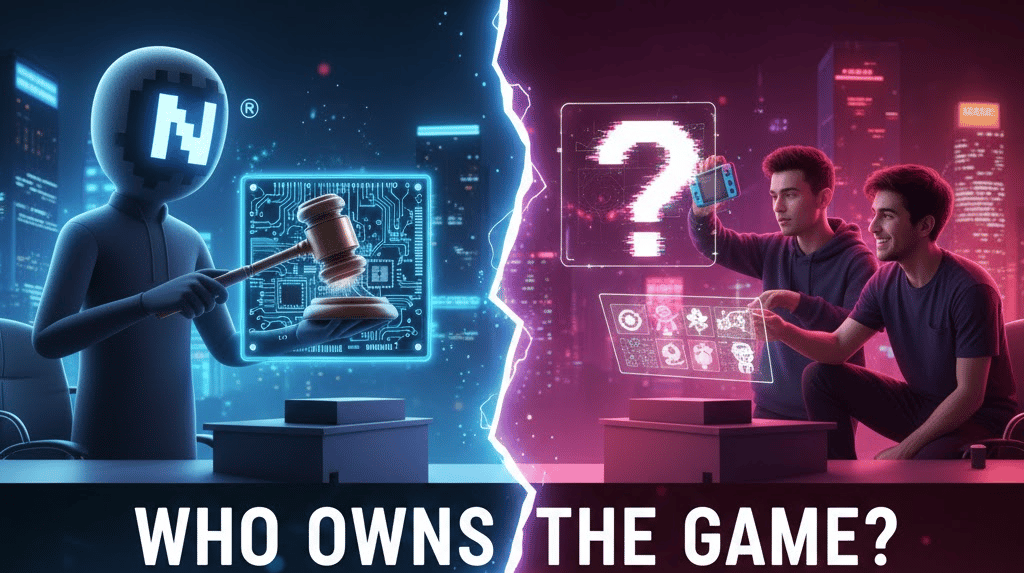
¿quién posee realmente un videojuego y hasta qué punto es legal modificarlo? Este artículo analiza los casos recientes, el contexto legal de la modificación de juegos (modding) y cómo las empresas defienden sus derechos de propiedad intelectual.
¿Qué es el modding y por qué es relevante?
El modding consiste en alterar el software de un videojuego para cambiar su apariencia, funcionalidad o comportamiento, o incluso introducir contenido completamente nuevo. Estas modificaciones pueden ser puramente estéticas o funcionales y, en algunos casos, distribuirse públicamente para que otros jugadores las usen.
Desde el punto de vista legal, el código, los activos (como imágenes, sonidos y personajes) y las licencias de un juego siguen siendo propiedad del desarrollador o editor, aunque el usuario haya comprado una copia del juego. Por esta razón, ciertos tipos de mods pueden infringir leyes de derechos de autor o reglas de licencia al crear trabajos derivados sin permiso explícito.
Nintendo: tolerancia cero frente al modding no autorizado
Casos recientes y acciones legales
Nintendo ha emprendido múltiples acciones judiciales contra individuos que distribuyen mods o herramientas que permiten ejecutar juegos pirateados en consolas como la Nintendo Switch. Un caso emblemático terminó con un acuerdo de 2 millones de dólares contra un modder estadounidense, Ryan Michael Daly, encargado de la tienda Modded Hardware.
Tu cuenta de OLA vale premios
Juega La Garra, busca el tesoro y canjea en la Tienda. Crear la cuenta es gratis.
Crear mi cuentaSegún los documentos judiciales, Daly vendía consolas modificadas (con modchips) y dispositivos que eludían las protecciones de la Switch, permitiendo reproducir juegos sin licencia de Nintendo.
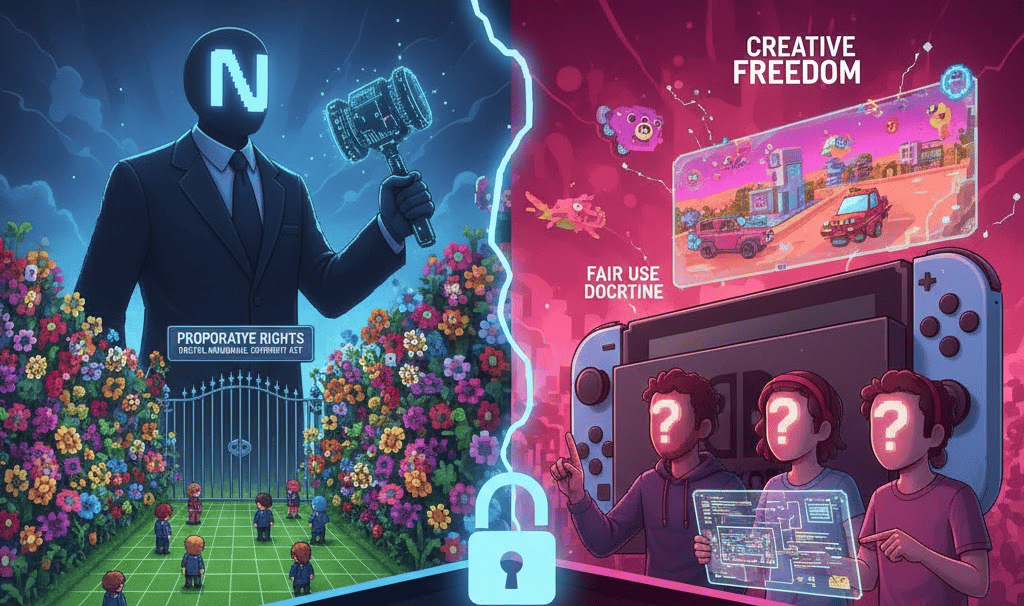
La sentencia incluyó una orden permanente que prohíbe a Daly vender o poseer herramientas que eludan las medidas de seguridad, y autorizó a Nintendo a controlar su sitio web para evitar futuros delitos.
Argumentos legales de Nintendo
Nintendo sostiene que las modificaciones funcionales que permiten el acceso o la distribución de contenidos no autorizados violan tanto las leyes de derechos de autor como las disposiciones de la Digital Millennium Copyright Act (DMCA) en Estados Unidos, que prohíben la elusión de medidas tecnológicas de protección.
La empresa también enfatiza que las cláusulas de licencia aceptadas por los usuarios al adquirir el software limitan explícitamente el derecho a modificar, distribuir o desensamblar el código o sistema operativo.
Rockstar Games y Take-Two: tolerancia limitada y acciones legales
Historial de conflictos
Rockstar Games, conocida por títulos como Grand Theft Auto (GTA), ha tenido una relación ambivalente con la comunidad de modding. En algunos periodos ha permitido mods para un solo jugador y proyectos no comerciales que respetan los derechos de propiedad intelectual ajenos.
Sin embargo, la empresa y su matriz, Take-Two Interactive, han actuado legalmente contra proyectos que distribuyen código de los juegos sin autorización o que interfieren con servicios en línea.
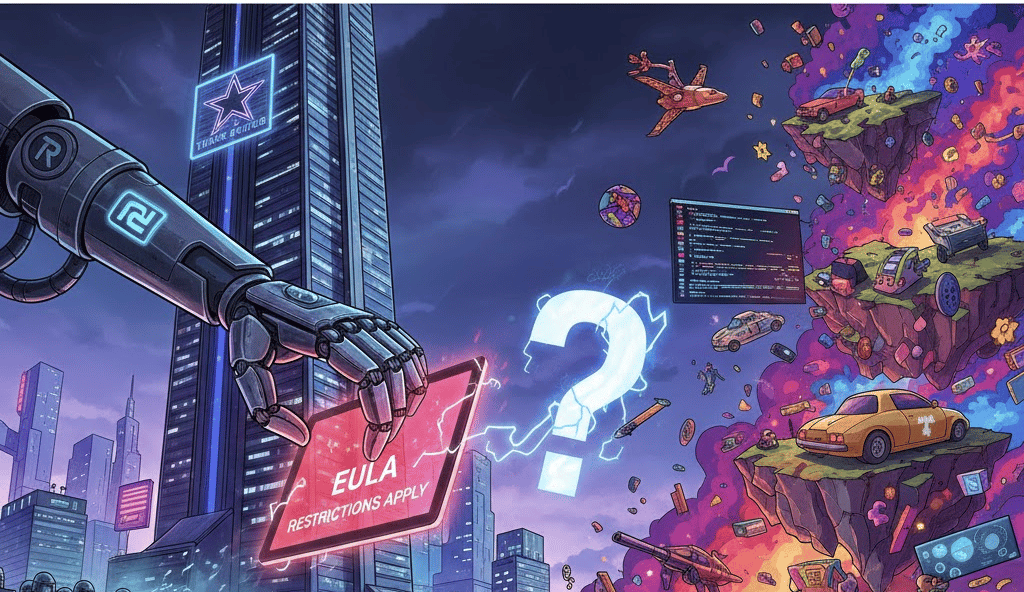
Por ejemplo, en 2015 Rockstar modificó los términos de licencia para usuarios finales (EULA) de Grand Theft Auto V en PC, prohibiendo la ingeniería inversa o modificación del software, y estableciendo sanciones como el baneo en servicios en línea para quienes usaran mods.
Adquisición de modders y cambios de política
En 2023 Rockstar anunció la adquisición del equipo de desarrollo detrás de FiveM, una popular modificación de Grand Theft Auto V enfocada en servidores de roleplay. Este movimiento representó un cambio de estrategia, incorporando directamente a creadores de mods en su estructura oficial bajo nuevos términos.
Luchas legales específicas
Take-Two también ha demandado a equipos de modding por supuesta infracción de derechos de autor cuando las modificaciones incluyen partes del código original no licenciadas o proyectos de ingeniería inversa.
En algunos casos, la empresa argumentó que los modders conocían la falta de autorización para copiar o adaptar elementos del juego.
¿Quién es el dueño de tu juego?
La respuesta legal varía según la jurisdicción, pero existe un consenso general:
- El usuario posee una licencia de uso del software, no el derecho de modificarlo o redistribuirlo libremente.
- El titular de los derechos de autor mantiene la propiedad del código y los activos del juego.
- Los mods no autorizados pueden constituir obras derivadas ilegales si incluyen elementos protegidos por derechos de autor o si eluden medidas tecnológicas de protección como las establecidas en la DMCA.
Este marco legal explica por qué empresas como Nintendo y Rockstar pueden demandar a modders y eliminar mods de circulación incluso si estos no tienen fines comerciales.
6
0
Otras novedades que podrían interesarte
Etiquetas


