
'/%3e%3cpath%20d='M4.94162%205.99547L4.02701%205.08086L3.63428%205.47359L4.94162%206.78093L7.63768%204.08487L7.24495%203.69214L4.94162%205.99547Z'%20fill='white'/%3e%3cdefs%3e%3clinearGradient%20id='paint0_linear_2302_10195'%20x1='0.5'%20y1='10'%20x2='10.4939'%20y2='10'%20gradientUnits='userSpaceOnUse'%3e%3cstop%20stop-color='%234E10FF'/%3e%3cstop%20offset='1'%20stop-color='%23AB17DF'/%3e%3c/linearGradient%3e%3c/defs%3e%3c/svg%3e)
Over the last few years, many games began offering external rewards: coins, tokens, prizes, or benefits that exist outside the game itself. The idea was simple: play and earn something in return.
But in many cases, the opposite of what was expected happened.
The incentive ended up pushing the game aside.
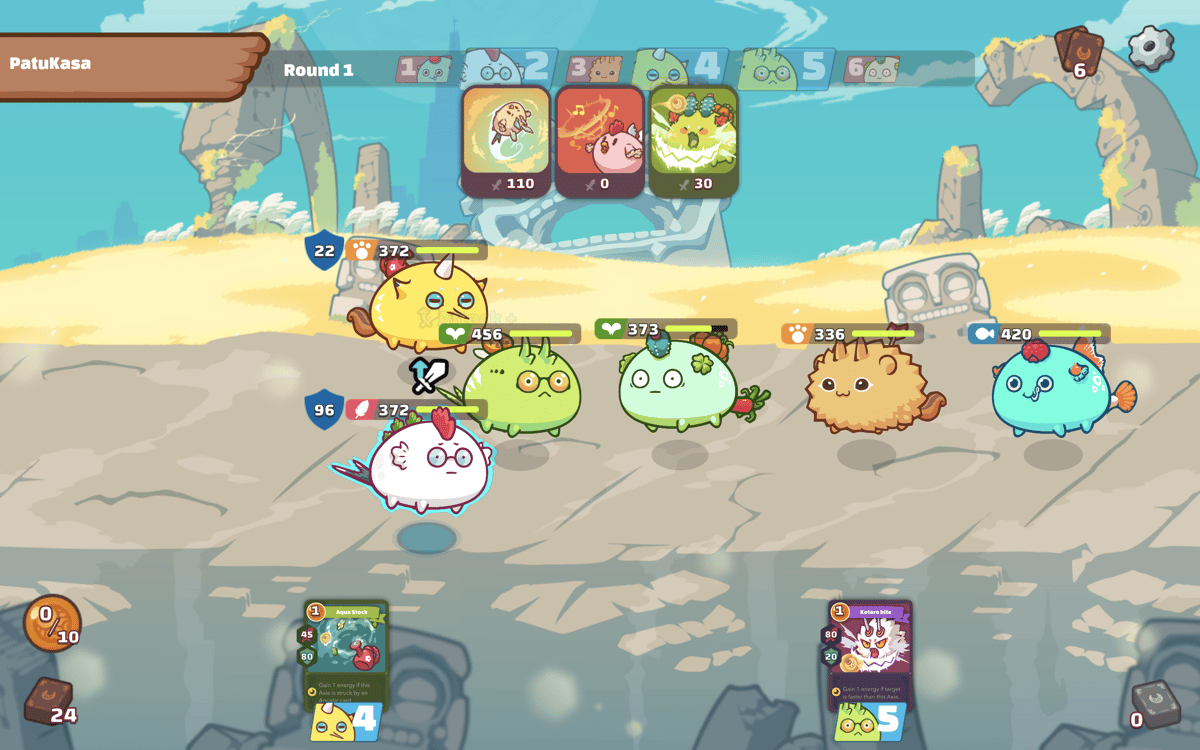
When you play for the reward, not for the game
At first, the system seems to work.
The player logs in, completes tasks, and receives something in return.
The problem appears when the main motivation stops being playing and becomes collecting.
At that point:
- You play only the bare minimum
- Actions are repeated without interest
- The game turns into a chore
- Fun stops mattering
The player no longer asks “what do I want to do?”, but “what pays more?”.
Your OLA account is worth prizes
Play the Claw, hunt the treasure and redeem in the Store. Creating an account is free.
Create my account
A pattern repeated across many games
This does not happen in just one title. It repeats across different GameFi models.
First comes the reward.
Then comes optimization.
After that, exhaustion.
When everyone plays only to extract value, the game loses its meaning as an experience. It no longer matters if it is fun, deep, or varied. What matters is whether it pays.
What happens when the incentive is too strong
A poorly designed incentive creates predictable behavior:
- The most profitable mechanic is abused
- Other systems are ignored
- Variety is lost
- Balance breaks
The game keeps running, but as an empty system. Something to be used, not enjoyed.
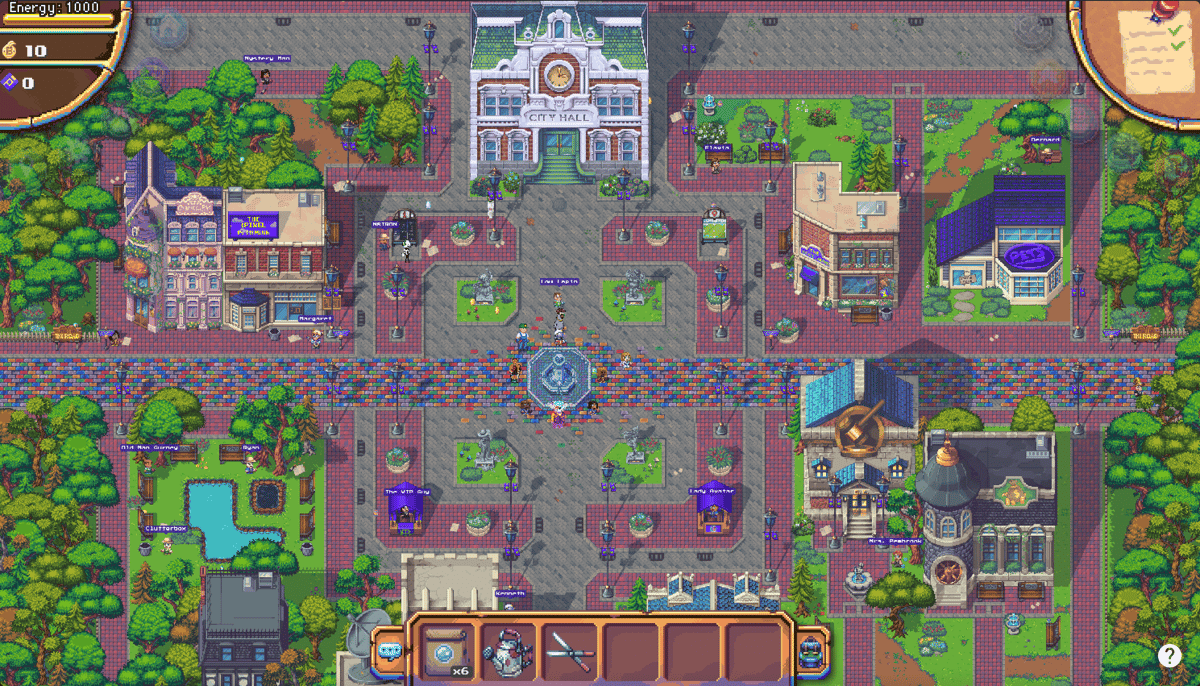
The problem is not winning, it is how you win
Earning something by playing is not the problem.
The problem appears when winning replaces playing.
When progress depends only on repeating tasks for an external reward, the player stops making real decisions. Everything is reduced to efficiency.
And without decisions, there is no game.
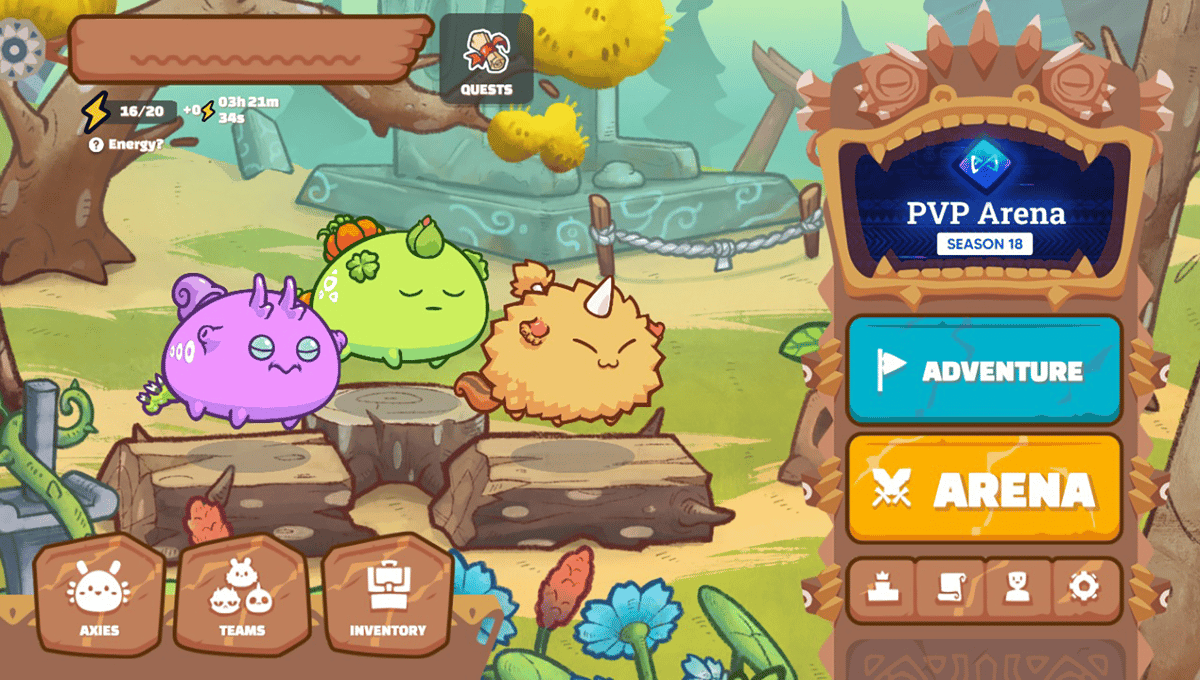
When the incentive disappears, the game does too
Many games reveal their true strength when the incentive drops.
If players leave as soon as rewards are removed or reduced, the problem was not the market.
It was the design.
A solid game stands on its own, even without an immediate prize.
A weak one depends on incentives to exist.
What these examples make clear
The incentive cannot be the center.
It has to be a complement.
When the game is good, players come back.
When it only pays, players leave as soon as it stops.
A key idea for the future
The games that work best are not the ones that promise the most, but the ones that achieve balance.
Play first.
Reward later.
When the incentive kills the game, more than a system is lost.
The reason to return is lost.
5
0
Other news you might be interested in
Etiquetas


