League Next: Riot Games Prepares the Biggest League of Legends Update

'/%3e%3cpath%20d='M4.94162%205.99547L4.02701%205.08086L3.63428%205.47359L4.94162%206.78093L7.63768%204.08487L7.24495%203.69214L4.94162%205.99547Z'%20fill='white'/%3e%3cdefs%3e%3clinearGradient%20id='paint0_linear_2302_10195'%20x1='0.5'%20y1='10'%20x2='10.4939'%20y2='10'%20gradientUnits='userSpaceOnUse'%3e%3cstop%20stop-color='%234E10FF'/%3e%3cstop%20offset='1'%20stop-color='%23AB17DF'/%3e%3c/linearGradient%3e%3c/defs%3e%3c/svg%3e)
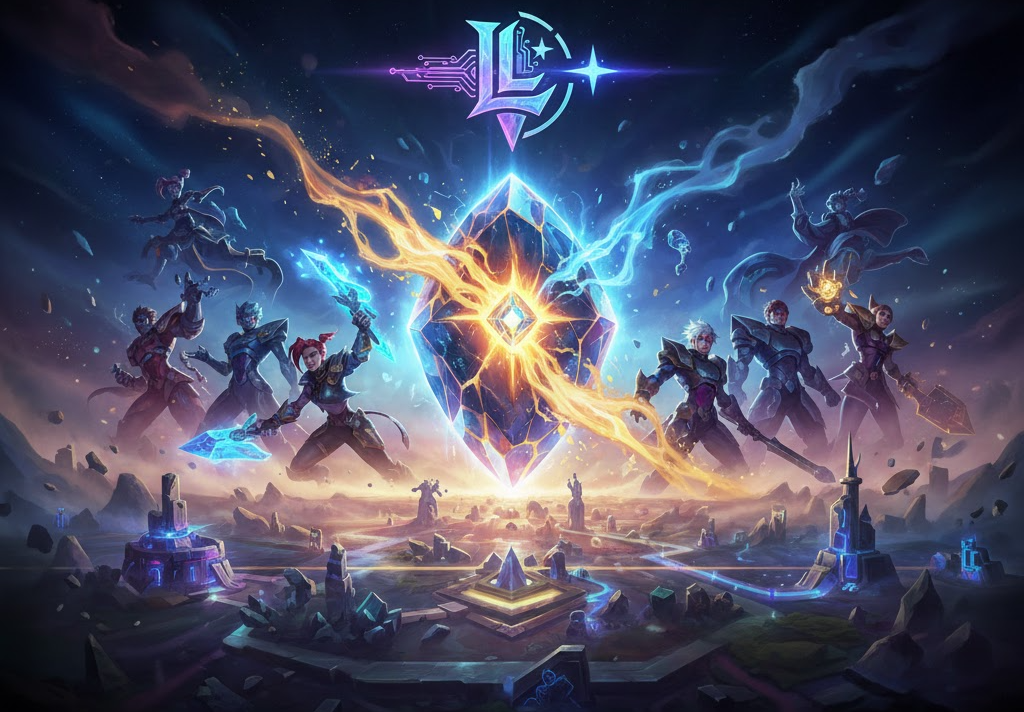
Riot Games has confirmed the development of “League Next”, an internal project that aims to become the most significant update League of Legends has received since its launch in 2009. According to information revealed by Bloomberg and later confirmed by the company itself, this modernization process is scheduled for 2027.
A game with more than a decade of evolution
Since its release, League of Legends has remained one of the most played video games in the world within the MOBA genre. For more than 16 years, Riot Games has introduced new champions, balance adjustments, targeted redesigns, and temporary events. However, all these changes have been built on a technical structure that, over time, has become limited compared to current industry standards.
This context explains why Riot decided to move forward with a deeper transformation rather than continuing solely with incremental updates.
What exactly is “League Next”?
League Next is the internal name of the project through which Riot Games plans to rebuild fundamental parts of League of Legends. It is not a new game nor a numbered sequel, but rather a direct evolution of the current LoL, keeping the same name and ecosystem while introducing a renewed foundation.
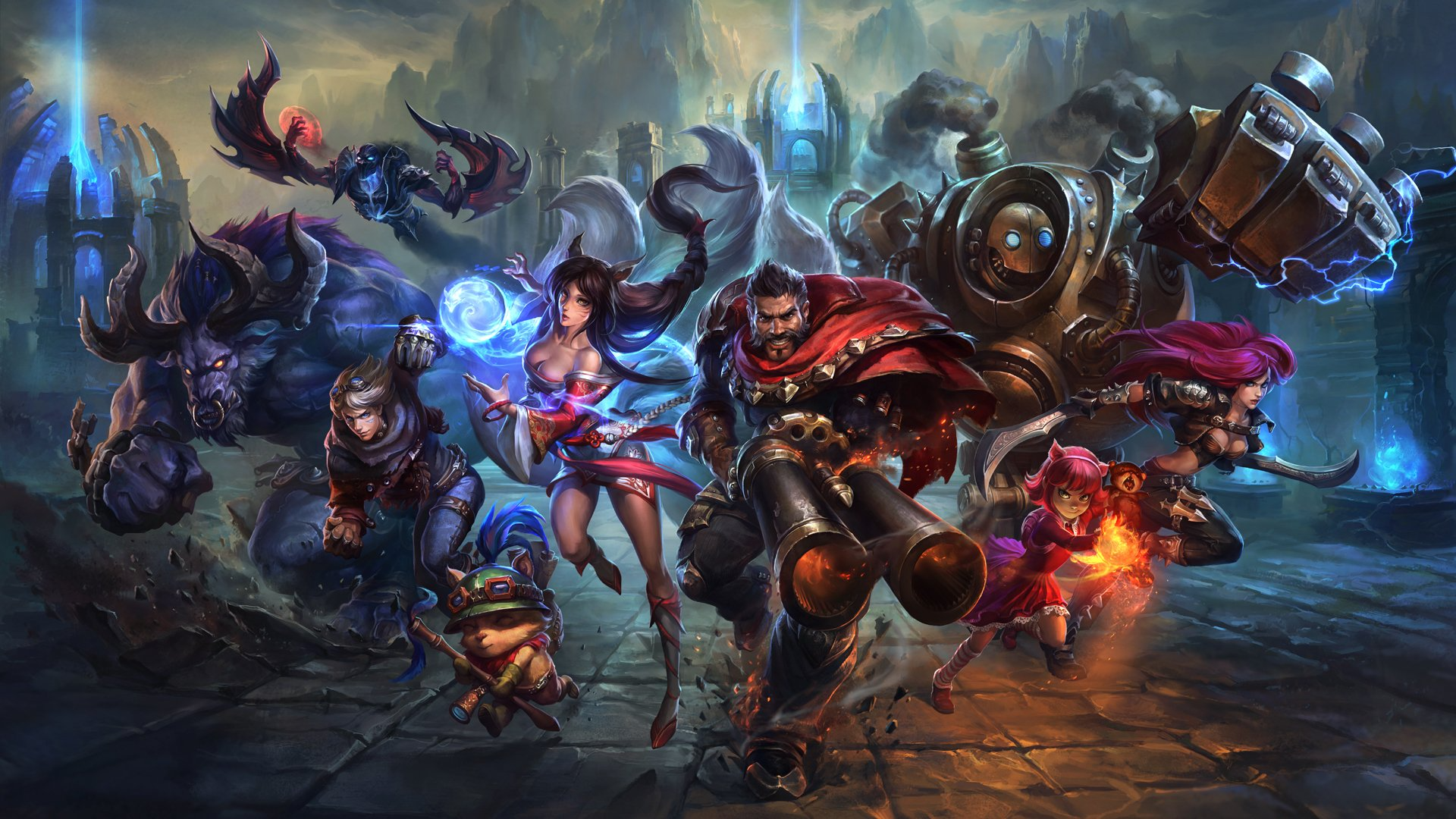
The main goal is to modernize the game across several key areas, addressing structural issues that cannot be solved through traditional patches.
Visual and presentation changes
One of the pillars of League Next is a visual update. Riot plans to refresh core elements such as champion models, in-game environments, and iconic maps like Summoner’s Rift. These changes aim to align the game with current graphical standards while maintaining the visual clarity required for competitive play and offering a more modern presentation.
In addition, a complete overhaul of the user interface is planned, including menus, selection screens, and overall navigation. The goal is to reduce visual clutter and improve clarity, especially for players experiencing League of Legends for the first time.
A renewed technological foundation
Beyond visuals, League Next involves a modernization of the game’s technical core. Riot is working on updating the engine and the internal infrastructure that supports the League of Legends client.
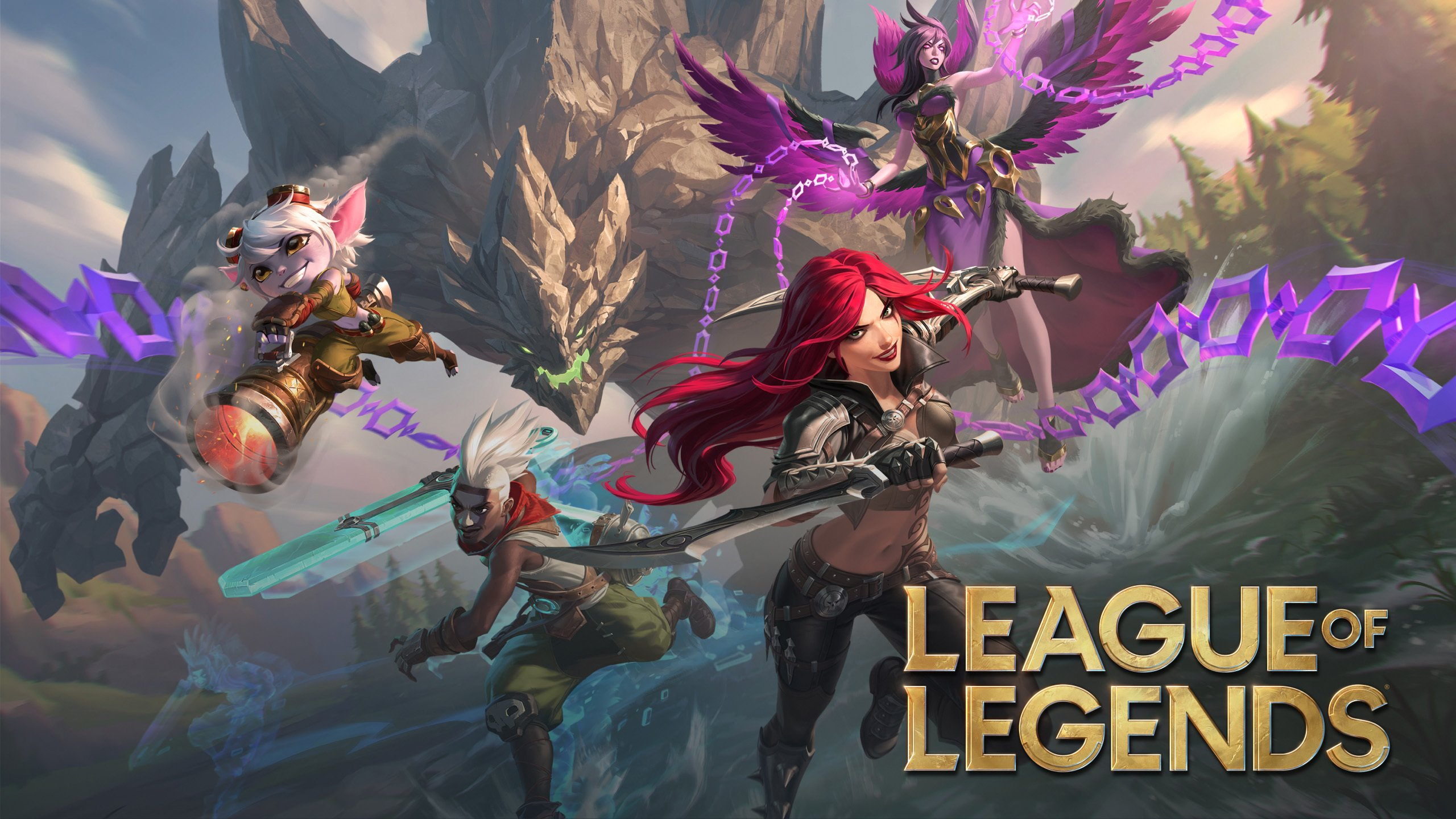
Among the planned changes is the integration of the client directly into the game, removing the current separation between the launcher and the gameplay experience.
This technological update would allow for greater stability, more efficient loading times, and, most importantly, make future development and update deployment easier.
Accessibility and new player experience
One of the long-standing challenges of League of Legends has been its learning curve. Riot acknowledges this barrier and has indicated that League Next also aims to make the game more accessible for new players by simplifying systems, improving on-screen information clarity, and optimizing the onboarding experience without altering the fundamental rules of competitive gameplay.
The goal is not to reduce strategic depth, but to improve how that complexity is presented and learned.
It is not “League of Legends 2”
Riot Games has been clear on this point: League Next does not equate to a “League of Legends 2”. The game will remain the same in terms of identity, community, and competitive scene. The update is designed as a progressive transition toward a more modern version, without fragmenting the player base or resetting the existing ecosystem.
Current status of the project
So far, Riot Games has publicly confirmed that the changes will be implemented after 2026, with an estimated release window set for 2027. The company has stated that it will share more details gradually throughout 2026, as the project moves into a more visible phase for the community.
No exact dates or public testing phases have been announced, and several aspects of the project are still under development.
6
0
NEWSLETTER
Subscribe!
And find out the latest news
Other news you might be interested in
Etiquetas


