Wildwood Gets a New Spanish Dub: Mexico Only or All of Latin America?


Wildwood, the new animated film from the studio behind Coraline, is getting a second Spanish dub following criticism of its release in Mexico. Imagem Films confirmed that the new voice cast will be heard in Mexican theaters starting November 12, 2026, with professional voice actors replacing the performances of Macarena García, Natalia Téllez, and Javier Ibarreche. However, one important question remains: will this redub reach all of Latin America, or will it only be available in Mexico? The controversy also reignites the debate surrounding professional voice acting and the use of celebrities as a marketing strategy.

Wildwood, directed by Travis Knight and produced by LAIKA Studios, premiered in Mexican theaters on October 29, 2026.
This stop-motion fantasy adventure follows Prue McKeel, a young girl who ventures into a mysterious forest to rescue her younger brother after he is carried away by a flock of crows.
The production generated considerable anticipation as the latest film from the studio behind Coraline, ParaNorman, and Kubo and the Two Strings.
However, after its release, much of the conversation on social media focused on something entirely different: the voices chosen for the Latin American Spanish dub.

Wildwood Confirms a New Spanish Dub After Audience Criticism
On November 10, 2026, distributor Imagem Films México announced that it had prepared a new Spanish dub of Wildwood.
The decision followed criticism mainly directed at the performances of Macarena García, Natalia Téllez, and Javier Ibarreche, who voiced major characters in the original version released in Mexico.
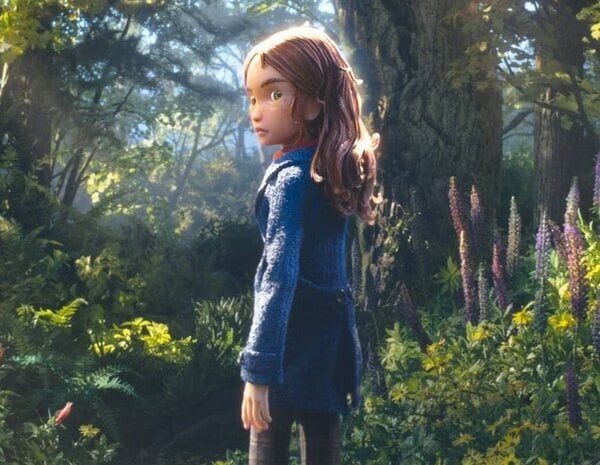
In the days following the premiere, various social media users shared voice comparisons, clips from the film, and alternative performances recorded by professional voice actors.
The discussion also reached Change.org, where a petition requesting a new dub gathered more than 14,000 signatures, according to reports published on November 10.
Eventually, the distributor announced a second version to offer audiences an alternative.
In its statement, Imagem Films clarified that the new recording is not intended to discredit the work of those involved in the original dub.
The company also stated that the original adaptation was produced under established creative and professional standards, with the participation and approval of the parties involved.
This clarification matters: the announcement does not mean every artist who worked on the original version has been dismissed, nor that absolutely every voice will be replaced.
When Will the New Wildwood Dub Be Released?
The new dubbed version will be available in Mexican theaters beginning Thursday, November 12, 2026.
That means it will arrive exactly two weeks after the film's original release in Mexico.
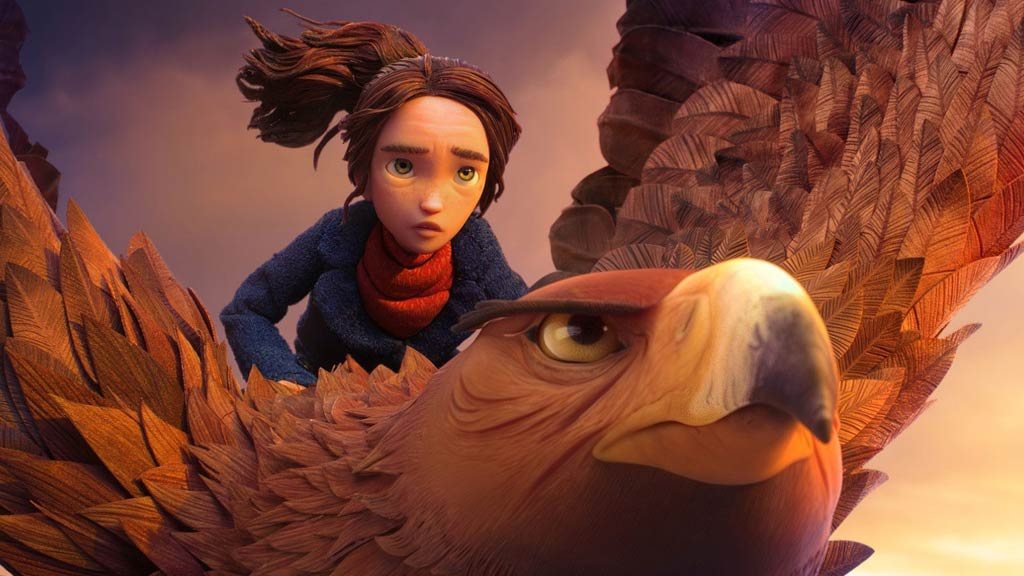
Imagem Films is presenting this new adaptation as an alternative for viewers who would like to experience the movie with different interpretations of its main characters.
However, a complete list of movie theaters that will screen the new version has not been published, so viewers should check local listings and verify which dub will be shown.
It should also not be assumed that every theater will immediately remove the previous adaptation.
Who Are the New Voice Actors in Wildwood?
The main changes announced affect three characters.
The new voices belong to Danna Alcalá, Erica Edwards, and Erick Selim, performers with experience dubbing films, animation, television, and anime.
| Character | Original Dub | New Dub |
|---|---|---|
| Prue McKeel | Macarena García | Danna Alcalá |
| Alexandra Svik | Natalia Téllez | Erica Edwards |
| Brendan | Javier Ibarreche | Erick Selim |
Danna Alcalá, the new voice of Prue, has worked on productions such as Inside Out 2 and Bluey.
Meanwhile, Erica Edwards has an extensive career in the industry and is known for voicing characters such as Master Tigress in Kung Fu Panda and Rem in Death Note.
Finally, Erick Selim, who will portray Brendan, has worked on productions such as Jujutsu Kaisen, in which he voices Toji Fushiguro, as well as Lightyear.
Will Every Voice in the Movie Be Replaced?
No. The new dub does not involve replacing the entire cast.
Actor Emilio Treviño, who voices Curtis Mehlberg, confirmed that his performance will remain in the new adaptation.
The contributions of Lissy Jiménez, who earned a small role in the movie after winning a voice-acting-related contest, will also be preserved.
Jiménez had attracted attention on social media for recording her own interpretation of Prue; however, she clarified that she would not be the protagonist's new voice.
This means the second adaptation will combine new voices for some of the main characters with performances retained from the original version.
Will Wildwood's New Dub Be Released Across Latin America or Only in Mexico?
This is one of the biggest questions left unanswered by the announcement.
As of November 11, 2026, the new dub has only been confirmed for theatrical distribution in Mexico.
Imagem Films México specifically described it as a new dubbing interpretation for Mexico and announced that it would be available in Mexican theaters beginning November 12.
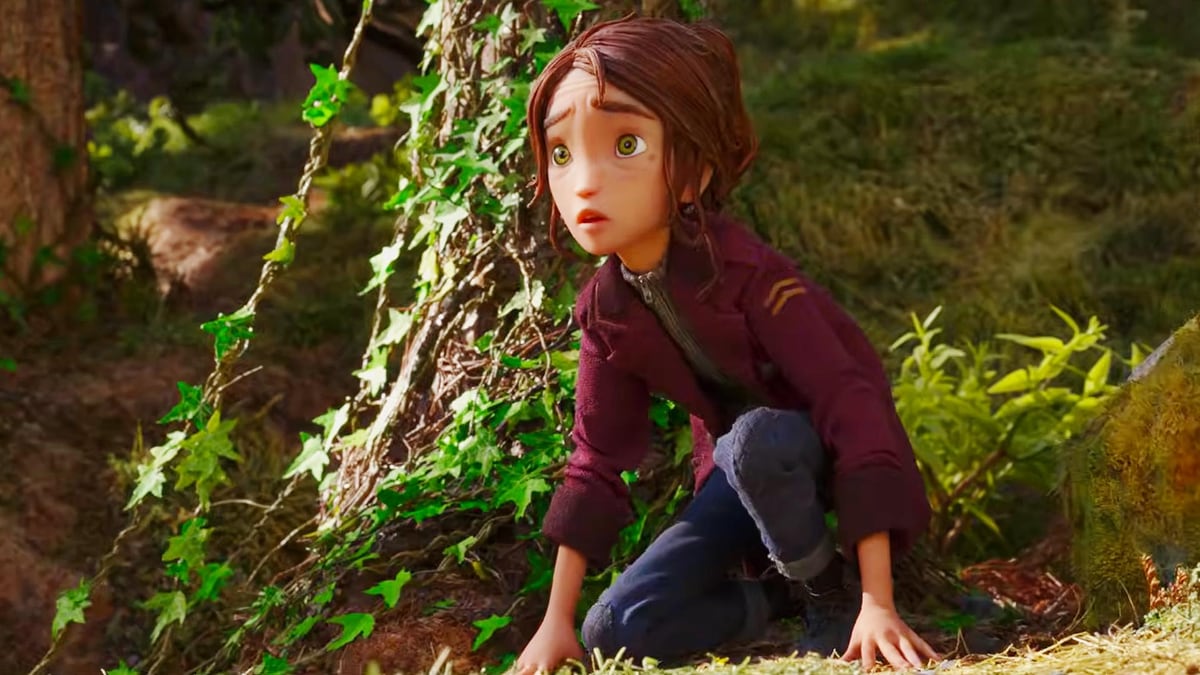
Although the film is distributed in several Latin American countries and the new recording has been described as a Latin American Spanish dub, that does not automatically confirm that it will be used throughout the region.
So far, there has been no official announcement stating that the new version will replace the original adaptation in the following markets:
- Argentina.
- Chile.
- Colombia.
- Peru.
- Other Spanish-speaking Latin American countries.
The lack of confirmation for these territories does not mean the new dub will never reach them.
It simply means that no regional release date or distribution plan has been publicly announced yet.
Therefore, any claim that every Latin American country will receive the new cast should be considered unconfirmed until the corresponding distributors release specific information.
The Mexican release on November 12 remains the only officially announced date for this new version.
Natalia Téllez Responds to Criticism of Her Wildwood Performance
The controversy has also prompted reactions from some of the original performers.
On November 11, Mexican media outlets reported statements made by Natalia Téllez, who voiced Alexandra Svik in the first adaptation.
During an encounter with the press, the actress defended the team's work and explained that her involvement in Wildwood was not her first experience in voice dubbing.
She also stated that she went through auditions to obtain the role, although she acknowledged that she does not consider herself an expert in this particular field.
Téllez said she understands that audiences have especially high expectations for a movie they have been anticipating for so many years.
She also expressed that opinions and criticism are valid, and that she values the experience and what she learned from the project.
Her response adds an important nuance to the discussion: being a recognizable public figure does not necessarily mean someone was given a role without going through a selection process.
At the same time, passing an audition does not prevent audiences from questioning the final result.
You can learn more about her statements in the interview published by El Financiero.
What Are Star Talents, and Why Are They So Controversial in Dubbing?
The term star talent is commonly used to describe the hiring of well-known personalities, such as television actors, singers, hosts, or content creators, to lend their voices to characters in films and series.
This practice is nothing new.
The entertainment industry has spent decades using famous names to attract audiences and increase media exposure for its productions.
The problem arises when a person's popularity appears to be considered more important than their preparation to portray a character through voice acting.
Voice dubbing is not simply about reading dialogue into a microphone.
It is an acting discipline that requires understanding a character's emotions, maintaining a natural performance, and synchronizing the voice with an existing performance.
A voice actor needs to adapt rhythm, intention, pauses, and reactions so viewers can focus on the story without feeling that the voice is disconnected from what is happening on screen.
That is why having on-camera experience, millions of followers, or a successful career in other media does not automatically guarantee a strong dubbing performance.
But it does not mean a celebrity is incapable of delivering a quality performance either.
The deciding factor should not be whether the performer is famous, but rather their ability to fulfill the role and the professional standards behind their casting and direction.
The Real Criticism: Why Choose Popularity Over Experience?
The Wildwood case offers an opportunity to reflect on something bigger than three performances.
Whenever a production chooses a famous personality as a marketing attraction, there is a possibility that the opportunity will no longer be available to a professional voice actor.
That does not mean every star talent is unfairly taking someone else's job. Casting decisions depend on numerous factors, and a celebrity may also have acting training.
However, when fame becomes the primary hiring criterion, specialized talent risks being pushed aside.
And this is particularly questionable in productions that require highly precise performances.
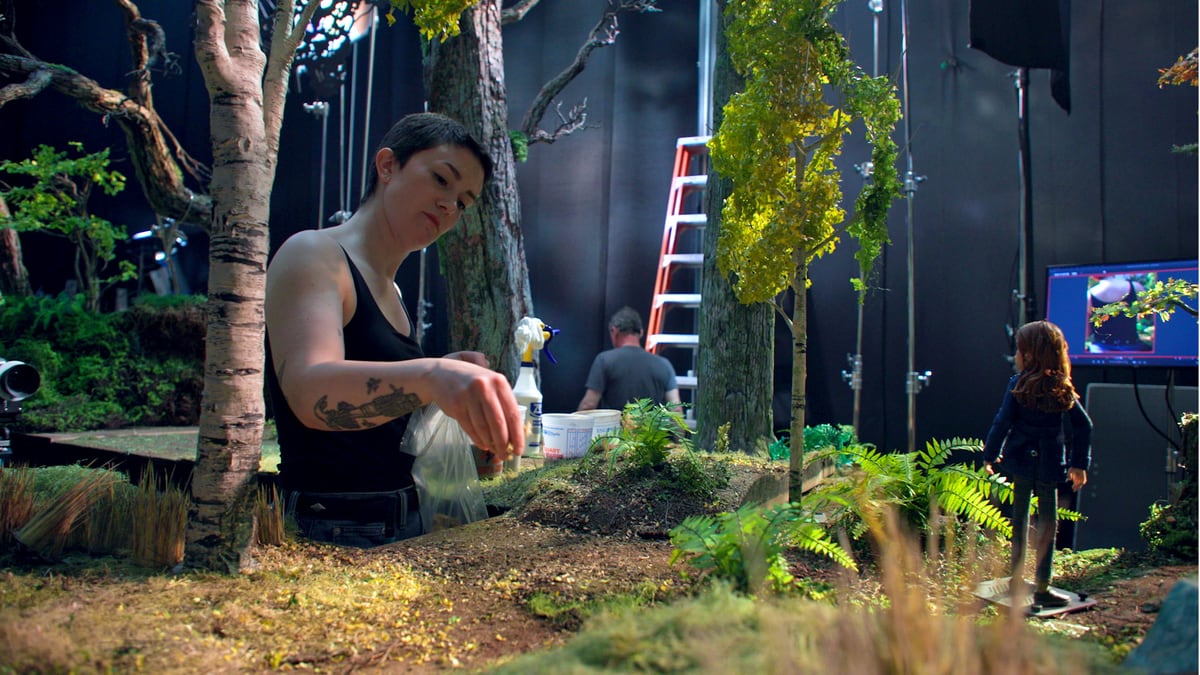
Wildwood is a stop-motion animated film, a technique in which the movements of characters and objects are created by photographing tiny physical adjustments frame by frame.
Its production involved more than a thousand artists, technicians, and craftspeople over a process spanning hundreds of weeks, according to details released about its creation.
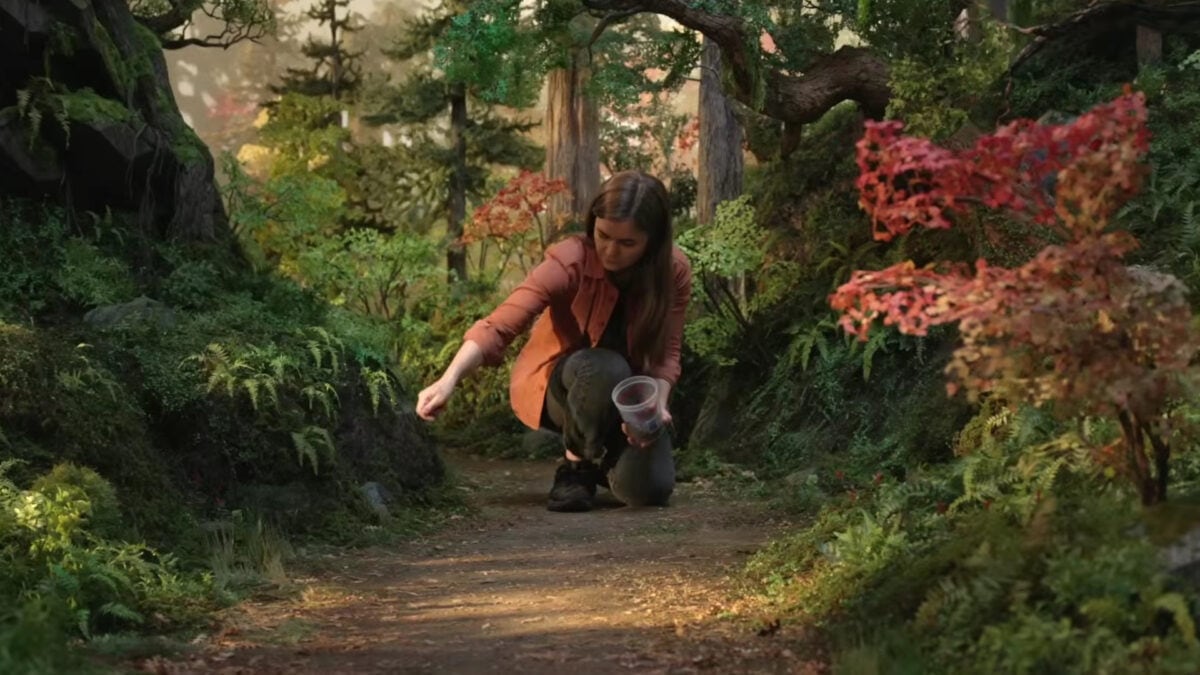
In a production where so much attention is paid to movement, expressions, costumes, and lighting, it is reasonable to expect an equivalent level of care in the vocal performances.
The criticism, then, should not be directed at the involvement of famous actors itself, but rather at the idea that a marketing campaign can justify a casting choice that ultimately fails to convince audiences.
It is equally important to prevent that discussion from turning into personal attacks.
It is possible to question a performance without humiliating the performer, just as it is possible to defend professional voice actors without arguing that nobody outside the industry should ever be allowed to participate.
The goal should be to recognize the value of this profession and demand that casting decisions prioritize acting ability over follower counts.
Wildwood Gets a Second Chance, but the Debate Is Far From Over
Imagem Films México's decision sets an interesting precedent for the discussion surrounding animated film dubbing.
After receiving criticism and requests from viewers, the distributor chose to introduce a new version in which three major characters will be portrayed by professional voice actors.
The change does not guarantee that every viewer will prefer this adaptation, and audiences will need to hear the final result before judging the differences.
However, it does show that a distributor can respond to audience feedback without necessarily discrediting the work previously completed.
It also leaves the industry with something to consider: voice dubbing is acting, not simply a promotional tool.
Popularity may help sell a movie ticket, but training, performance, and good direction are what allow a voice to become part of a character.
For now, Wildwood will premiere its new Spanish dub on November 12, 2026, in Mexico, while a possible release in other Latin American countries remains officially unconfirmed.
Perhaps the question raised by this controversy is not whether celebrities should be banned from voice acting, but something much simpler:
Should studios choose a voice because it has millions of followers, or because it offers the best performance for the character?
Join OLAGG and stay up to date with all the latest gaming news
0
0
Create your account and play OLA TCG Battle
You get 34 free credits — enough for 6 packs or 34 battles. No deposit.
Sign up and playOther news you might be interested in
Etiquetas


