Cómo funciona El Consejo de LoL Classic y qué podrán votar los jugadores

'/%3e%3cpath%20d='M4.94162%205.99547L4.02701%205.08086L3.63428%205.47359L4.94162%206.78093L7.63768%204.08487L7.24495%203.69214L4.94162%205.99547Z'%20fill='white'/%3e%3cdefs%3e%3clinearGradient%20id='paint0_linear_2302_10195'%20x1='0.5'%20y1='10'%20x2='10.4939'%20y2='10'%20gradientUnits='userSpaceOnUse'%3e%3cstop%20stop-color='%234E10FF'/%3e%3cstop%20offset='1'%20stop-color='%23AB17DF'/%3e%3c/linearGradient%3e%3c/defs%3e%3c/svg%3e)
League of Legends Classic más allá de buscar recuperar la experiencia de los primeros años del MOBA de Riot Games, también pretende dar a los jugadores un papel más activo en su evolución. Para ello, la compañía presentó El Consejo, un sistema de votación comunitaria mediante el cual la comunidad podrá influir en determinadas decisiones sobre el futuro del modo.

A diferencia de las encuestas ocasionales que Riot ha realizado en el pasado, El Consejo forma parte de la progresión de LoL Classic y recompensa la participación activa dentro del juego. Sin embargo, las decisiones finales relacionadas con el equilibrio y la estabilidad del título seguirán estando en manos del equipo de desarrollo.
¿Qué es El Consejo en LoL Classic?
El Consejo es un sistema de votación integrado en League of Legends Classic que permite a los jugadores participar en algunas de las decisiones sobre el contenido que llegará al modo.
Según Riot Games, este mecanismo nace con el objetivo de mantener el espíritu de los primeros años de League of Legends, cuando la retroalimentación de la comunidad tenía un papel importante en la evolución del juego. Por ello, los jugadores podrán expresar sus preferencias en distintas votaciones organizadas por el estudio.

¿Qué decisiones podrán votar los jugadores?
Riot confirmó que El Consejo servirá para decidir aspectos concretos del desarrollo de LoL Classic, entre ellos:
- La incorporación de nuevos campeones al modo.
- La creación de aspectos (skins) exclusivos para Classic.
- Algunos cambios relacionados con la jugabilidad y características específicas del modo.
Tu cuenta de OLA vale premios
Juega La Garra, busca el tesoro y canjea en la Tienda. Crear la cuenta es gratis.
Crear mi cuentaNo obstante, Riot dejó claro que las decisiones relacionadas con el balance, la estabilidad del juego o la salud competitiva seguirán siendo responsabilidad del equipo de desarrollo. En otras palabras, la comunidad podrá influir en la dirección del contenido, pero no tendrá control absoluto sobre todas las actualizaciones.
Cómo se desbloquea El Consejo
El acceso a El Consejo no estará disponible desde el primer momento.
Para participar en las votaciones será necesario progresar en los niveles de LoL Classic, un sistema independiente del progreso habitual de League of Legends. Solo quienes alcancen el nivel requerido podrán acceder a las votaciones oficiales.
Este requisito busca que las decisiones provengan de jugadores que realmente participan en el modo y conocen su funcionamiento.
El tiempo de juego aumenta el peso del voto
Uno de los aspectos más llamativos de El Consejo es que no todos los votos tendrán exactamente el mismo peso.
Riot explicó que la influencia de cada jugador crecerá conforme pase más tiempo jugando LoL Classic. Esto significa que quienes más jueguen el modo tendrán una mayor capacidad para influir en los resultados de las votaciones.
La compañía considera que este sistema permite que las decisiones reflejen mejor la opinión de los jugadores más comprometidos con Classic, aunque no ha detallado públicamente la fórmula exacta utilizada para calcular el peso de cada voto.
¿Qué campeones podrían llegar mediante El Consejo?
LoL Classic debutará con una selección inicial de 60 campeones, inspirada en las primeras etapas de League of Legends.
A partir de ese punto, Riot planea ampliar gradualmente el plantel mediante actualizaciones posteriores, y parte de esas incorporaciones serán elegidas mediante las votaciones de El Consejo.
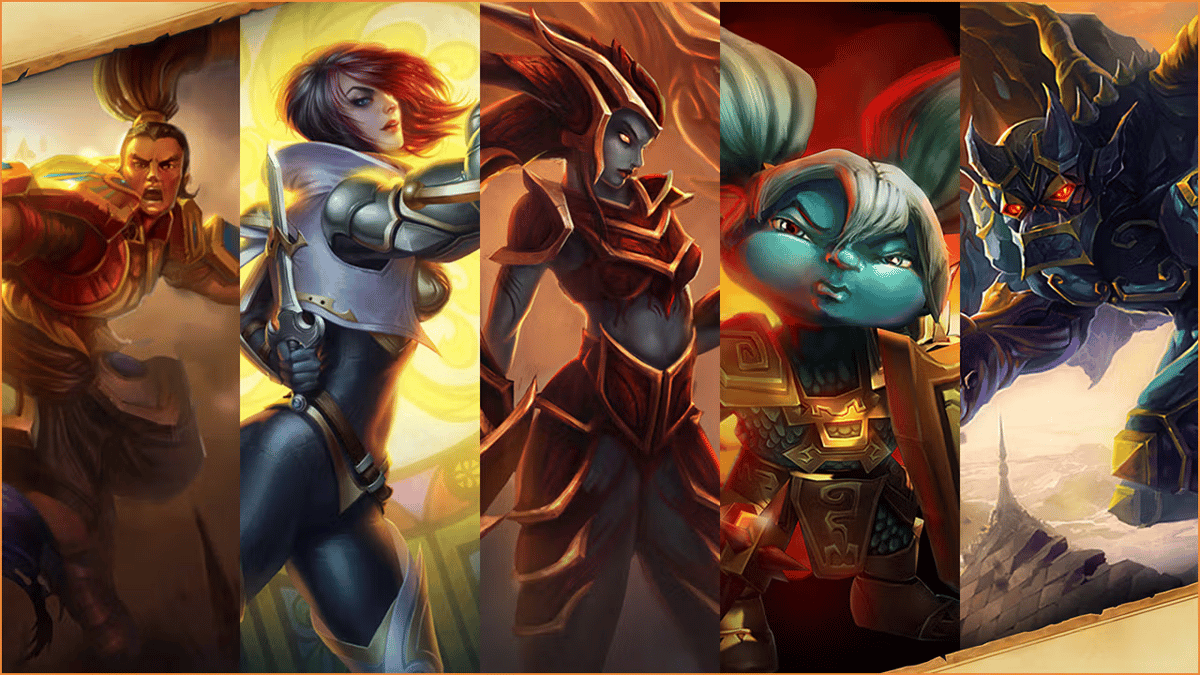
En la documentación oficial y materiales publicados tras el anuncio se mencionan campeones que podrían formar parte de futuras votaciones, entre ellos:
- Akali
- Caitlyn
- Fiora
- Graves
- Irelia
- LeBlanc
- Mordekaiser
- Urgot
Sin embargo, su llegada dependerá de los resultados de las votaciones y de la planificación de Riot para las futuras actualizaciones.
¿Por qué Riot implementó este sistema?
Con LoL Classic, Riot busca recrear una experiencia inspirada en las primeras temporadas del juego sin convertir el modo en una copia estática del pasado.
El objetivo de El Consejo es permitir que la comunidad participe en la evolución del modo mientras Riot mantiene el control sobre el equilibrio y la calidad general del juego. De esta forma, Classic podrá seguir creciendo con nuevo contenido sin perder la esencia que busca recuperar.
Un modelo diferente al de League of Legends tradicional
En el League of Legends principal, las decisiones sobre campeones, objetos o sistemas suelen depender exclusivamente del equipo de desarrollo. En cambio, LoL Classic introduce una capa adicional de participación comunitaria mediante El Consejo.
Aunque Riot seguirá tomando las decisiones técnicas y de balance, el sistema permitirá que los jugadores influyan directamente en parte del contenido que llegará al modo. Esto convierte a LoL Classic en una experiencia con un enfoque de desarrollo diferente, donde la participación de la comunidad tendrá un papel más visible en las futuras actualizaciones.
2
0
Otras novedades que podrían interesarte
Etiquetas


