League of Legends Classic: todas las diferencias del mapa, la jungla y los dragones

'/%3e%3cpath%20d='M4.94162%205.99547L4.02701%205.08086L3.63428%205.47359L4.94162%206.78093L7.63768%204.08487L7.24495%203.69214L4.94162%205.99547Z'%20fill='white'/%3e%3cdefs%3e%3clinearGradient%20id='paint0_linear_2302_10195'%20x1='0.5'%20y1='10'%20x2='10.4939'%20y2='10'%20gradientUnits='userSpaceOnUse'%3e%3cstop%20stop-color='%234E10FF'/%3e%3cstop%20offset='1'%20stop-color='%23AB17DF'/%3e%3c/linearGradient%3e%3c/defs%3e%3c/svg%3e)
League of Legends Classic recupera una de las versiones más recordadas del MOBA de Riot Games. Más allá del aspecto visual, este modo trae de vuelta mecánicas, objetivos neutrales y un ritmo de juego que difieren considerablemente de la experiencia moderna.
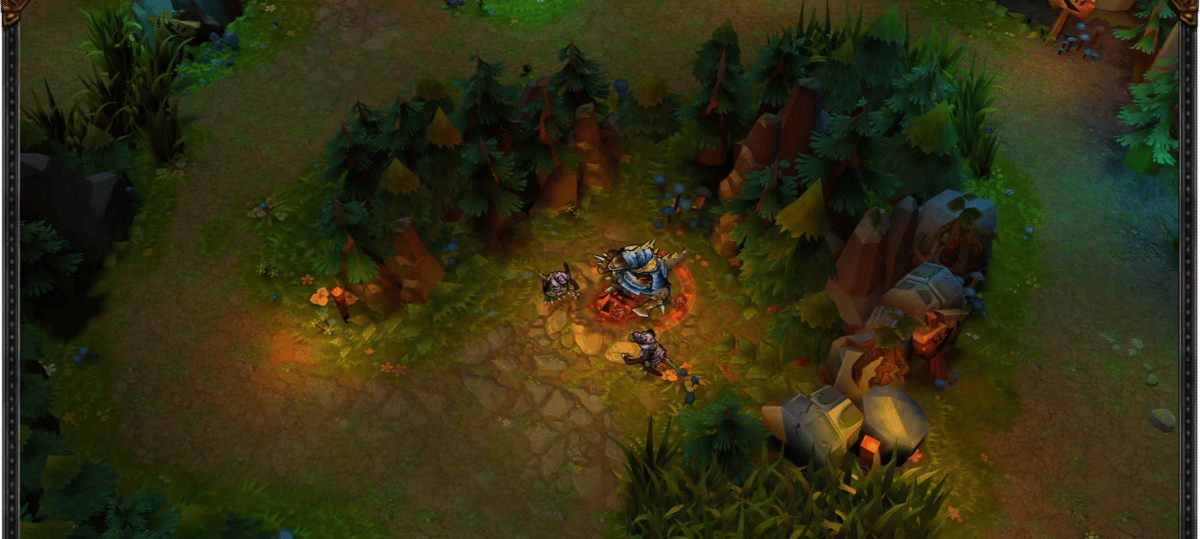
Quienes regresan después de varios años, así como los jugadores que nunca conocieron la Grieta del Invocador original, encontrarán cambios importantes en la jungla, los campamentos y el funcionamiento de los dragones. Esta guía explica las principales diferencias para facilitar la adaptación a la versión clásica del juego.
Cómo es la Grieta del Invocador clásica
La Grieta del Invocador clásica mantiene la estructura tradicional de tres carriles (superior, central e inferior), una jungla simétrica y dos bases enfrentadas cuyo objetivo sigue siendo destruir el nexo enemigo. Sin embargo, el mapa presenta un diseño mucho más simple que el actual, tanto en su apartado visual como en sus mecánicas.
Aunque Riot Games actualizó la iluminación y algunos elementos gráficos para mejorar la visibilidad, el diseño busca recrear fielmente el escenario de las primeras temporadas de League of Legends.
Entre las diferencias más importantes destacan:
- No existen las transformaciones elementales del mapa.
- La vegetación y los caminos son más sencillos.
- Los campamentos de la jungla recuperan su distribución clásica.
- El ritmo de las partidas es más pausado y estratégico.
Además, Riot señala que el combate vuelve a ser más deliberado: los hechizos consumen más recursos, el daño es mayor y los errores suelen castigarse con más facilidad que en la versión moderna.
Tu cuenta de OLA vale premios
Juega La Garra, busca el tesoro y canjea en la Tienda. Crear la cuenta es gratis.
Crear mi cuentaAsí cambia la jungla respecto al LoL actual
Uno de los cambios más evidentes está en la jungla. Los jugadores veteranos volverán a encontrar varios campamentos que desaparecieron hace años y que formaban parte de las primeras versiones del juego.
Entre ellos destacan los antiguos espectros, además de los campamentos clásicos de lobos, gólems y lagartos de mejora. Riot también confirmó que las mejoras azul y roja vuelven a estar acompañadas por los pequeños monstruos que originalmente protegían estos objetivos.
Otra diferencia importante es que varios campamentos reaparecen más rápido, lo que favorece un estilo de farmeo constante para los junglas. La administración del recorrido vuelve a tener un papel mucho más relevante durante los primeros minutos de la partida.
Como en las versiones originales de League of Legends, el control de la jungla también depende en gran medida del uso correcto de Castigo (Smite) para asegurar los objetivos neutrales y evitar que el equipo rival los robe.
Los dragones vuelven a su versión clásica
Quizá el cambio más importante para quienes vienen del League of Legends moderno está en los dragones.
En la Grieta del Invocador clásica no existen los dragones elementales ni las modificaciones del terreno que se introdujeron años después. Tampoco aparece el Alma del Dragón, una de las condiciones de victoria más importantes del juego actual.
En su lugar, el dragón vuelve a ser un único objetivo neutral que concede una recompensa global al equipo que consigue eliminarlo. Esto hace que las peleas por este objetivo sean importantes, aunque con un impacto estratégico diferente al sistema moderno.
Como consecuencia:
- No hay Dragón Infernal, Oceánico, de Montaña ni de Nubes.
- El mapa nunca cambia durante la partida.
- No existe el Alma del Dragón.
- Tampoco aparece el Dragón Anciano con las mecánicas actuales.
Esto simplifica la toma de decisiones y hace que el control del mapa dependa más de la coordinación del equipo que de las bonificaciones acumulativas.

Un ritmo de juego más lento y estratégico
League of Legends Classic busca recuperar el estilo de juego de las primeras temporadas.
Según Riot Games, los campeones presentan fortalezas y debilidades mucho más marcadas, los desplazamientos son menos frecuentes y las peleas requieren una mejor administración del maná, los enfriamientos y el posicionamiento.
Esto también cambia la forma de jugar la fase de líneas y las emboscadas desde la jungla, ya que cometer un error suele tener consecuencias mayores que en el juego moderno.
En comparación con la versión actual, los jugadores encontrarán:
- Menor movilidad general.
- Más importancia del control de visión.
- Peleas más largas y planificadas.
- Mayor valor del farmeo durante los primeros minutos.
- Menor cantidad de mecánicas adicionales que alteran el mapa.
¿Vale la pena aprender estas diferencias?
Para los jugadores veteranos, League of Legends Classic representa un regreso a una versión mucho más cercana a los orígenes del MOBA, con sistemas, objetos y mecánicas que marcaron sus primeras temporadas. Para quienes comenzaron a jugar años después, también supone una oportunidad para conocer cómo era la experiencia antes de la llegada de los dragones elementales, las transformaciones del mapa y muchas de las mecánicas actuales.
Comprender cómo funciona la jungla clásica, qué recompensas ofrece el dragón y cuáles son las diferencias del mapa resulta fundamental para adaptarse rápidamente y sacar el máximo provecho de esta experiencia, que apuesta por un estilo de juego más sencillo en mecánicas, pero con un fuerte énfasis en la estrategia y la toma de decisiones.
5
0
Otras novedades que podrían interesarte
Etiquetas


