Minecraft 26.1 (1.22): cómo sobrevivir a las Cámaras de Prueba y conseguir mejor loot

'/%3e%3cpath%20d='M4.94162%205.99547L4.02701%205.08086L3.63428%205.47359L4.94162%206.78093L7.63768%204.08487L7.24495%203.69214L4.94162%205.99547Z'%20fill='white'/%3e%3cdefs%3e%3clinearGradient%20id='paint0_linear_2302_10195'%20x1='0.5'%20y1='10'%20x2='10.4939'%20y2='10'%20gradientUnits='userSpaceOnUse'%3e%3cstop%20stop-color='%234E10FF'/%3e%3cstop%20offset='1'%20stop-color='%23AB17DF'/%3e%3c/linearGradient%3e%3c/defs%3e%3c/svg%3e)
Las Cámaras de Prueba son una de las estructuras más relevantes introducidas recientemente en Minecraft. Diseñadas como espacios de combate progresivo, combinan exploración, dificultad escalable y un sistema de recompensas que depende directamente del desempeño del jugador.
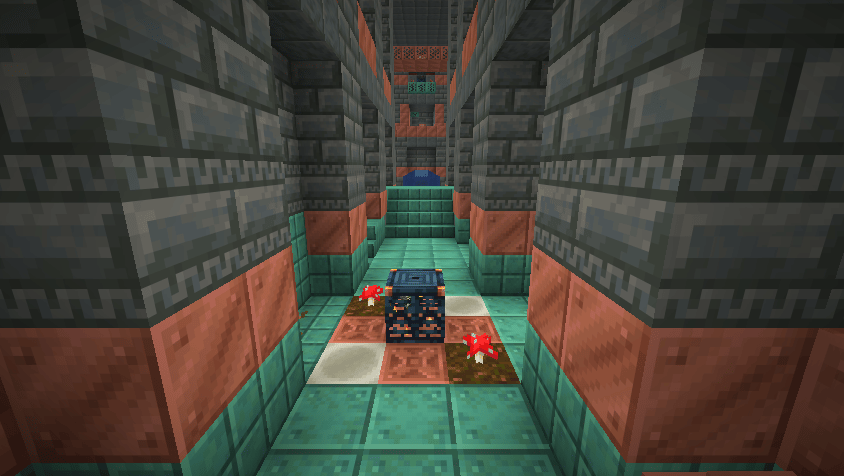
En versiones actuales como la 26.1 (1.22), estas estructuras mantienen su importancia por el acceso a objetos exclusivos, materiales avanzados y mecánicas que no aparecen en otras zonas del juego.
Qué son las Cámaras de Prueba y cómo funcionan
Las Cámaras de Prueba son estructuras subterráneas generadas de forma natural, ubicadas generalmente por debajo del nivel Y=0. Están construidas con bloques como cobre y toba, y se componen de varias salas conectadas entre sí, cada una diseñada como un reto independiente.
A diferencia de otras estructuras, no se trata solo de explorar, sino de superar combates controlados. Los enemigos aparecen a través de los llamados Trial Spawners, dispositivos que generan oleadas de mobs según el número de jugadores presentes. Esto implica que la dificultad no es fija, sino adaptativa.
Cada combate superado activa un sistema de recompensas basado en llaves, lo que convierte la progresión dentro de la estructura en un ciclo continuo de riesgo y beneficio.
Cómo encontrarlas dentro del mundo
Estas estructuras pueden localizarse explorando el subsuelo en zonas no generadas previamente. Su aparición no es visible desde la superficie, por lo que la búsqueda suele implicar minería o exploración profunda.
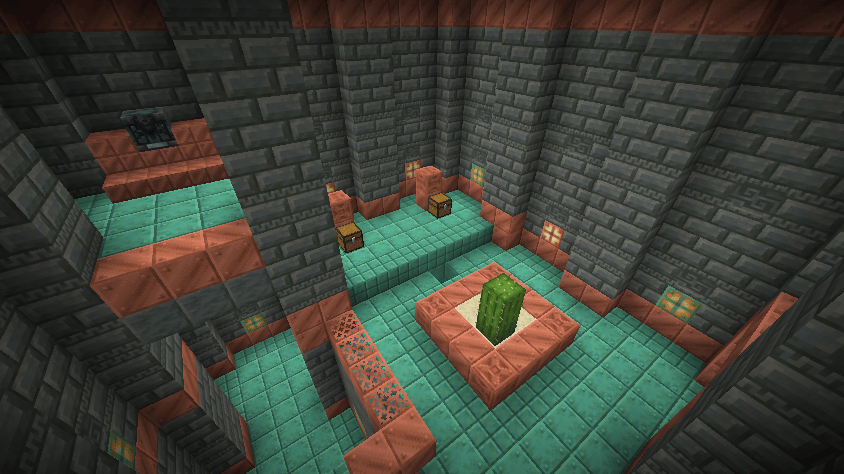
Otra opción consiste en utilizar mapas especiales obtenidos mediante aldeanos cartógrafos, los cuales pueden señalar su ubicación aproximada. En mundos personalizados, también es posible acceder a ellas mediante comandos.
Enemigos y dinámica de combate
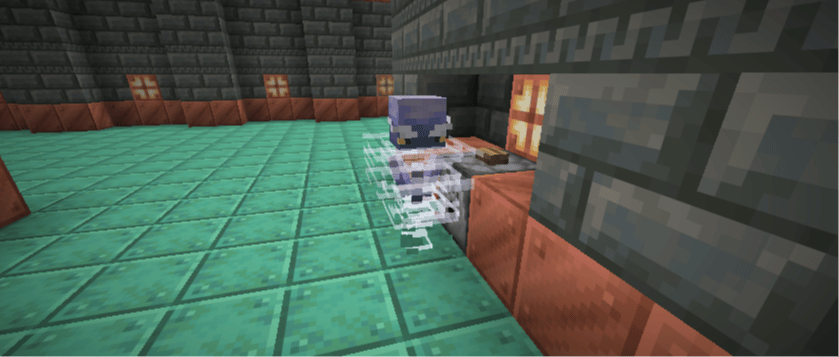
Dentro de las Cámaras de Prueba, los enemigos no aparecen de manera aleatoria. Cada sala está diseñada para enfrentar al jugador con combinaciones específicas de mobs, entre los que se incluyen zombies, esqueletos, arañas y slimes.
Tu cuenta de OLA vale premios
Juega La Garra, busca el tesoro y canjea en la Tienda. Crear la cuenta es gratis.
Crear mi cuentaA estos se suma el Breeze, un enemigo exclusivo de estas estructuras que introduce ataques a distancia con efectos de empuje. Su presencia modifica el ritmo del combate, obligando al jugador a priorizar objetivos y moverse constantemente.
El sistema de generación mediante Trial Spawners implica que los enemigos aparecen en oleadas. Solo al completar estas oleadas se desbloquea la siguiente fase de recompensas.
Sistema de loot: cómo se obtienen las recompensas
El loot en las Cámaras de Prueba no se distribuye de forma tradicional. En lugar de depender principalmente de cofres, el sistema se basa en tres elementos interconectados: llaves, bóvedas y recompensas progresivas.
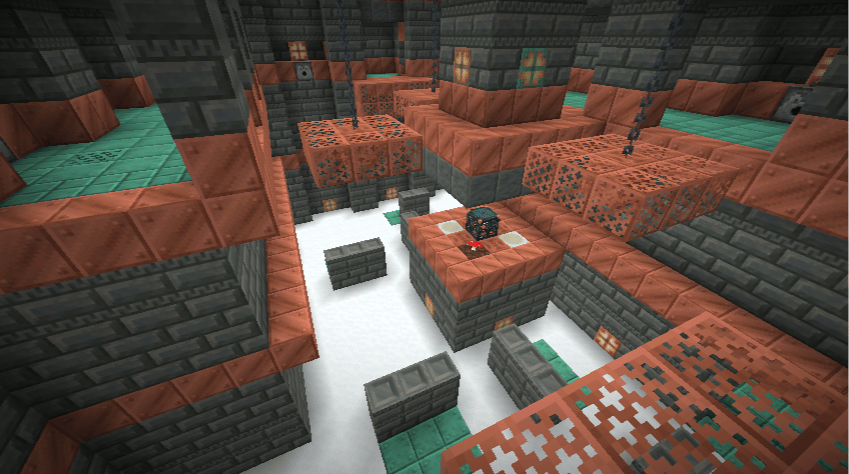
Al derrotar enemigos, el jugador obtiene Trial Keys. Estas llaves permiten abrir las Vaults, que son la principal fuente de loot dentro de la estructura. Cada bóveda solo puede ser abierta una vez por jugador, lo que limita la repetición de recompensas.
Existen dos tipos de bóvedas. Las normales ofrecen recompensas estándar, mientras que las Ominous Vaults contienen objetos más raros y valiosos. Estas últimas suelen estar asociadas a desafíos más complejos.
Aunque también existen cofres, barriles y vasijas decorativas, estos cumplen un rol secundario y no garantizan objetos relevantes. La mayor parte del valor se concentra en las bóvedas.
Qué objetos se pueden obtener
El sistema de recompensas incluye una amplia variedad de objetos, clasificados según su rareza.
En un nivel básico, es posible obtener recursos como lingotes de hierro, flechas con efectos, botellas de miel y esmeraldas. Estos objetos son frecuentes y sirven como soporte durante la exploración.
En un nivel intermedio aparecen recompensas como manzanas doradas, libros encantados y equipo de hierro con mejoras. Estos elementos tienen un impacto directo en la supervivencia dentro de la estructura.
Entre los objetos más raros se encuentran diamantes, tridentes, plantillas de herrería y armaduras de diamante encantadas. Su aparición es menos frecuente y depende del tipo de bóveda y la dificultad enfrentada.
Finalmente, existen objetos exclusivos de estas cámaras, como las Wind Charges, las botellas ominosas y componentes necesarios para fabricar la maza, incluyendo el Heavy Core. Estos elementos no se obtienen en otras estructuras del juego.
Estrategias para sobrevivir y maximizar recompensas
Superar una Cámara de Prueba requiere preparación previa. El uso de armadura de diamante o superior, junto con escudo, comida suficiente y pociones, reduce significativamente el riesgo.
Durante el combate, resulta fundamental priorizar enemigos a distancia y mantener movilidad constante. Permanecer estático aumenta la probabilidad de recibir daño acumulado, especialmente en salas con múltiples spawners.
En términos de loot, no todas las decisiones tienen el mismo impacto. Priorizar la apertura de bóvedas sobre la revisión de cofres permite optimizar las recompensas. Asimismo, reservar llaves para zonas más avanzadas puede aumentar la probabilidad de obtener objetos raros.
Los desafíos ominosos deben activarse únicamente cuando el jugador cuenta con equipo suficiente, ya que incrementan la dificultad de forma considerable.
Errores comunes al explorar estas estructuras
Uno de los errores más frecuentes es asumir que los cofres contienen el loot principal. En realidad, muchos de estos pueden estar vacíos o cumplir una función decorativa.
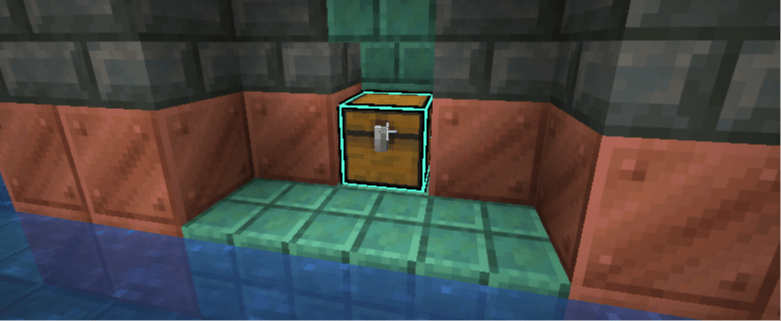
También es común interpretar la falta de recompensas como un fallo del sistema, cuando en realidad se debe a la mecánica de uso único de las bóvedas por jugador.
Otro error consiste en subestimar la dificultad adaptativa de los spawners, lo que puede llevar a enfrentamientos mal preparados.

6
0
Otras novedades que podrían interesarte
Etiquetas


