
'/%3e%3cpath%20d='M4.94162%205.99547L4.02701%205.08086L3.63428%205.47359L4.94162%206.78093L7.63768%204.08487L7.24495%203.69214L4.94162%205.99547Z'%20fill='white'/%3e%3cdefs%3e%3clinearGradient%20id='paint0_linear_2302_10195'%20x1='0.5'%20y1='10'%20x2='10.4939'%20y2='10'%20gradientUnits='userSpaceOnUse'%3e%3cstop%20stop-color='%234E10FF'/%3e%3cstop%20offset='1'%20stop-color='%23AB17DF'/%3e%3c/linearGradient%3e%3c/defs%3e%3c/svg%3e)
En Minecraft, todo empieza igual: madera, piedra, herramientas básicas y exploración. Al principio, muchos jugadores usan lo que consiguen de inmediato. Pican, fabrican, gastan y siguen avanzando.
El problema aparece cuando algo sale mal.
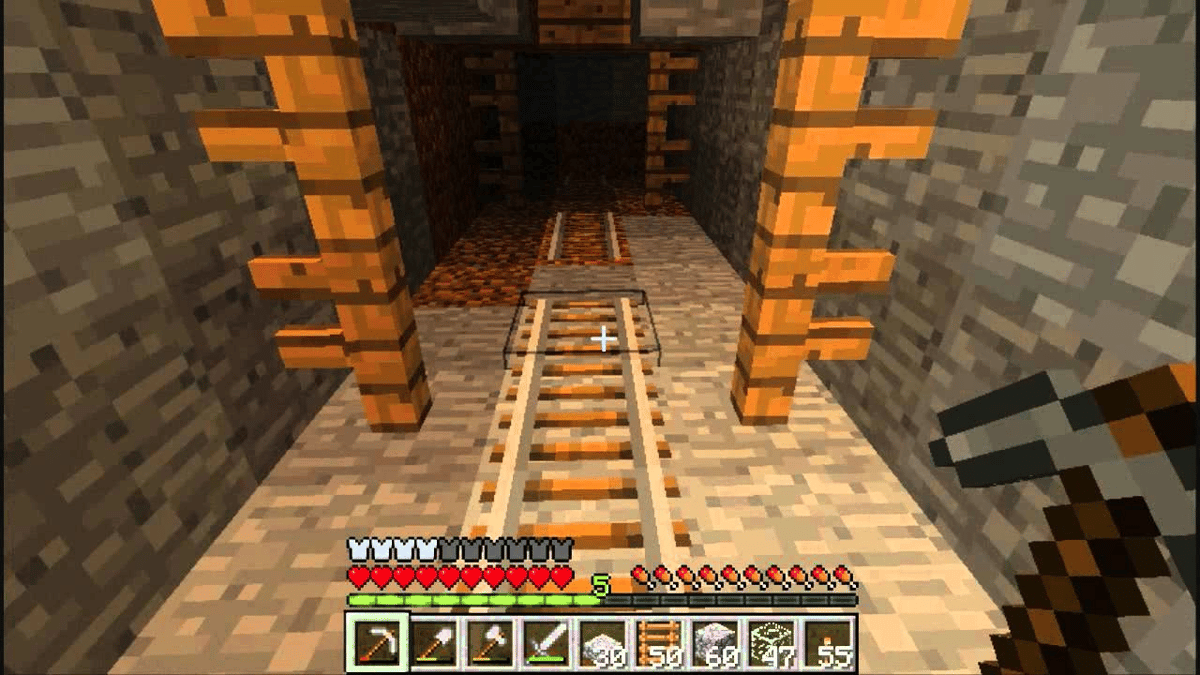
El error más común al empezar a jugar
En las primeras horas, guardar recursos no parece importante. Si hace falta algo, se vuelve a picar y listo.
Pero Minecraft siempre encuentra la forma de poner a prueba esa idea:
- Un enemigo aparece cuando no hay armadura
- Las herramientas se rompen en el peor momento
- La noche cae lejos de casa
- Una muerte borra todo lo que llevabas encima
Ahí es cuando el jugador se da cuenta de algo clave: no tenía reservas.
Tu cuenta de OLA vale premios
Juega La Garra, busca el tesoro y canjea en la Tienda. Crear la cuenta es gratis.
Crear mi cuenta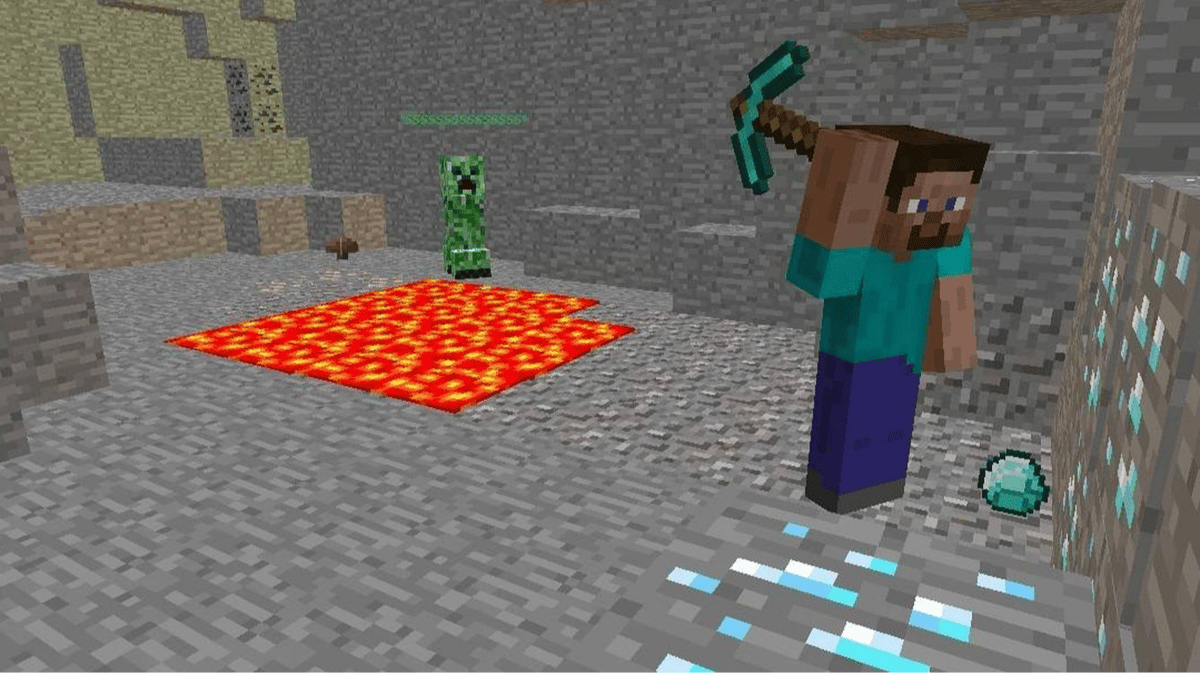
Qué cambia cuando empiezas a guardar
En el momento en que el jugador decide guardar recursos básicos (madera, hierro, comida) la partida cambia.
No de golpe, pero sí de forma clara.
- La muerte deja de ser un reinicio total
- Volver a equiparse es más rápido
- Explorar da menos miedo
- Los errores pesan menos
Guardar no acelera el progreso, pero lo hace más estable.
Minecraft premia al jugador previsor
Minecraft no explica esto con textos. Lo enseña con consecuencias.
El jugador que guarda:
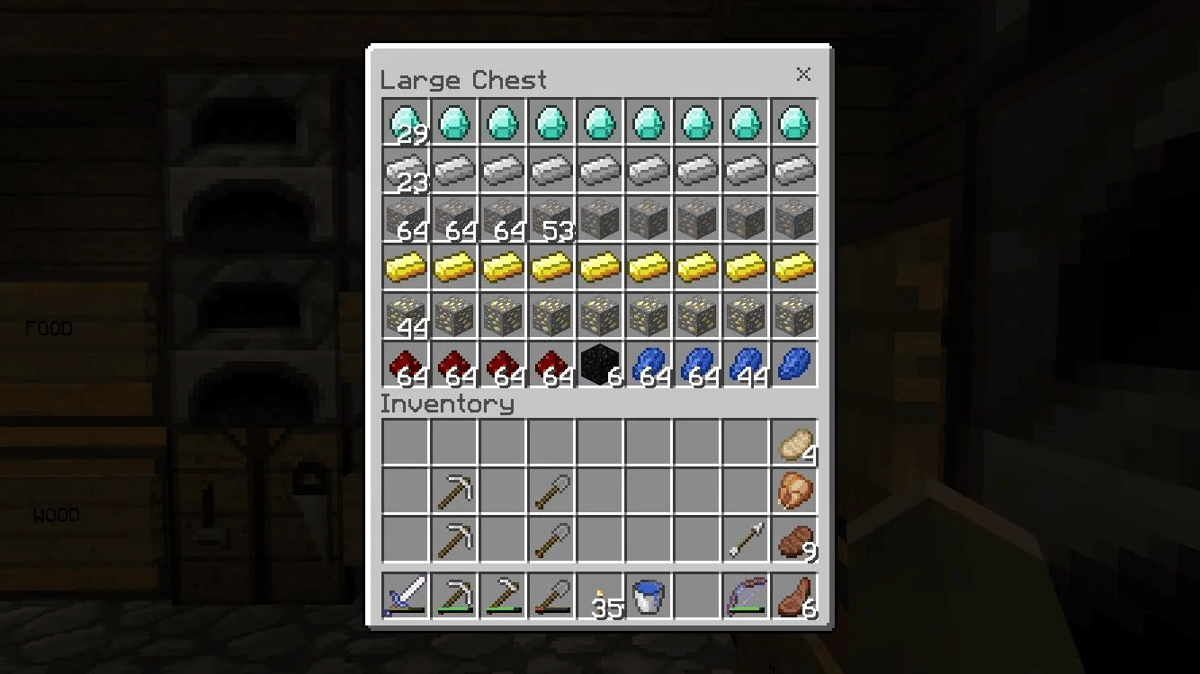
- Tiene cofres organizados
- No usa todo lo que consigue
- Piensa antes de fabricar
- Se prepara para lo que puede pasar
El que no guarda, siempre empieza desde cero.
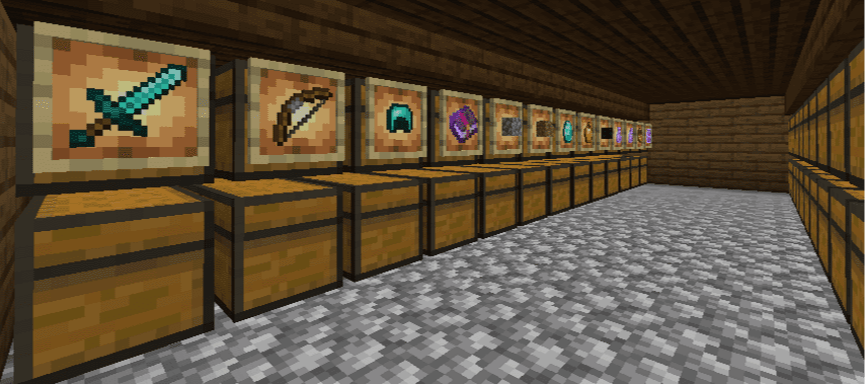
El momento clave: cuando algo sale mal
Todos los jugadores recuerdan ese momento. Un viaje largo, un descuido, una caída.
Cuando eso pasa, hay dos tipos de partidas:
- La que se rompe
- Y la que sigue
La diferencia no es la habilidad. Es haber guardado recursos antes.
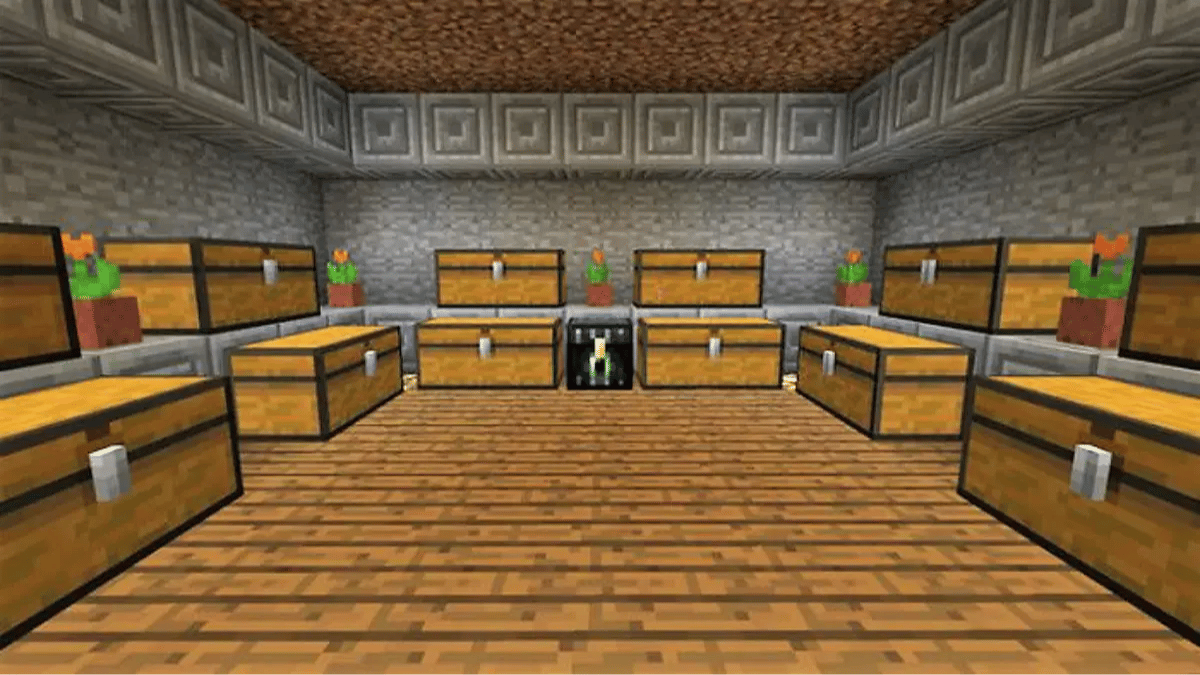
Lo que Minecraft enseña sin querer
Guardar recursos no es solo una mecánica del juego. Es una forma de pensar.
Minecraft muestra algo simple: no todo lo que ganas está para usarse ahora.
Cuando el jugador guarda, está apostando al futuro. Cuando no lo hace, depende de que nada salga mal.
¿Minecraft te educa?
Minecraft conecta de forma directa con una idea básica: guardar hoy permite seguir mañana.
No hace falta hablar de números ni teorías. El juego lo demuestra cada vez que algo falla y el jugador tiene (o no) con qué recuperarse.
Por eso, guardar recursos no es aburrido. Es lo que mantiene viva la partida.
5
0
Otras novedades que podrían interesarte
Etiquetas


