Pokémon Champions: Best Starter Teams and a Complete Guide to Getting Started

'/%3e%3cpath%20d='M4.94162%205.99547L4.02701%205.08086L3.63428%205.47359L4.94162%206.78093L7.63768%204.08487L7.24495%203.69214L4.94162%205.99547Z'%20fill='white'/%3e%3cdefs%3e%3clinearGradient%20id='paint0_linear_2302_10195'%20x1='0.5'%20y1='10'%20x2='10.4939'%20y2='10'%20gradientUnits='userSpaceOnUse'%3e%3cstop%20stop-color='%234E10FF'/%3e%3cstop%20offset='1'%20stop-color='%23AB17DF'/%3e%3c/linearGradient%3e%3c/defs%3e%3c/svg%3e)
Pokémon Champions, released in April 2026 for Nintendo Switch and Switch 2, introduces a shift in the franchise’s traditional structure. The title removes exploration, creature capturing, and story mode, focusing exclusively on competitive battles between players.
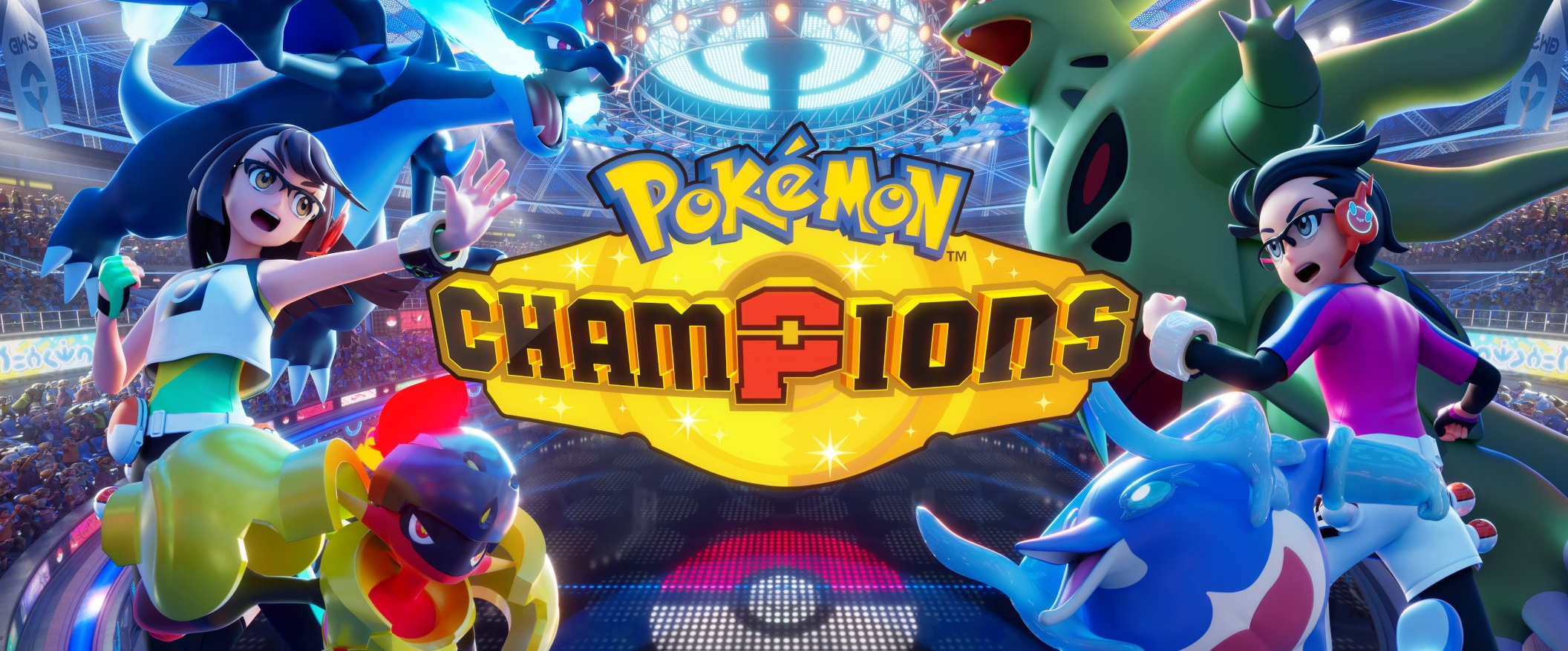
From the beginning, players must make relevant strategic decisions, especially when choosing their initial team. This guide explains how the game works, which teams perform best in early matches, and what aspects should be considered to progress in the competitive environment.
A fully competitive approach
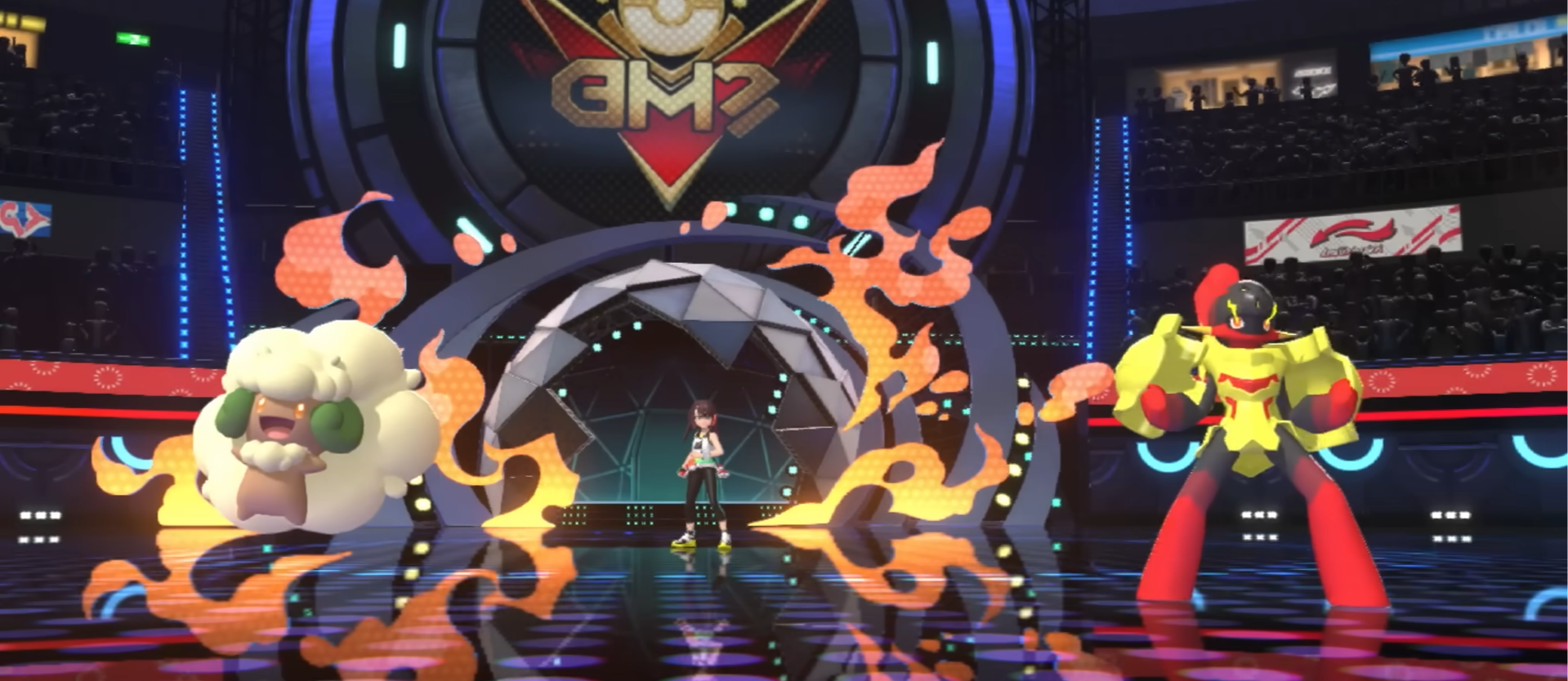
Pokémon Champions is structured entirely around battles. There are no routes, gyms, or narrative progression. Players directly access different battle modes:
- Ranked matches
- Casual battles
- Private matches
Each team consists of six Pokémon, although only four are selected per battle. This mechanic requires planning both team composition and tactical choices before each encounter.
Pokémon are obtained through a recruitment (scouting) system using in-game resources. Additionally, there is the option to transfer creatures from Pokémon HOME, expanding available strategic options.

Choosing your initial team
One of the most decisive elements in the early hours of gameplay is selecting the initial team. Instead of choosing a single Pokémon, players must select a full team of six members with a fixed composition.
This system implies:
- The team cannot be modified at the start
- Each team represents a specific playstyle
- The decision directly impacts early match performance
For this reason, understanding each option’s characteristics is essential.
Recommended teams to start
Pikachu Team: direct offense and ease of use
The Pikachu-led team is oriented toward players seeking immediate results in single battles.
It includes Pokémon such as Garchomp, Gyarados, Gengar, Kingambit, and Azumarill, providing a combination of high damage output and solid type coverage.

Its main strength lies in its offensive capability from the start, allowing players to pressure opponents without complex setups.

Tyranitar Team: control and strategy in doubles
The Tyranitar team is designed for a more tactical approach, especially in double battles.
It focuses on controlling the battlefield through conditions such as sandstorm, influencing the pace of the match and creating sustained advantages.
Although it requires a deeper understanding of mechanics, it offers consistency in structured matchups.
Gardevoir Team: balance and versatility
The Gardevoir team stands as a middle-ground option.
It includes Pokémon such as Heracross, Drampa, Corviknight, Abomasnow, and Azumarill, combining offense, defense, and support. This diversity allows adaptation to different situations without relying on a single strategy.

Other teams and early trends
In addition to the previous options, other teams have early presence in the competitive environment, including those centered around Charizard or Absol.
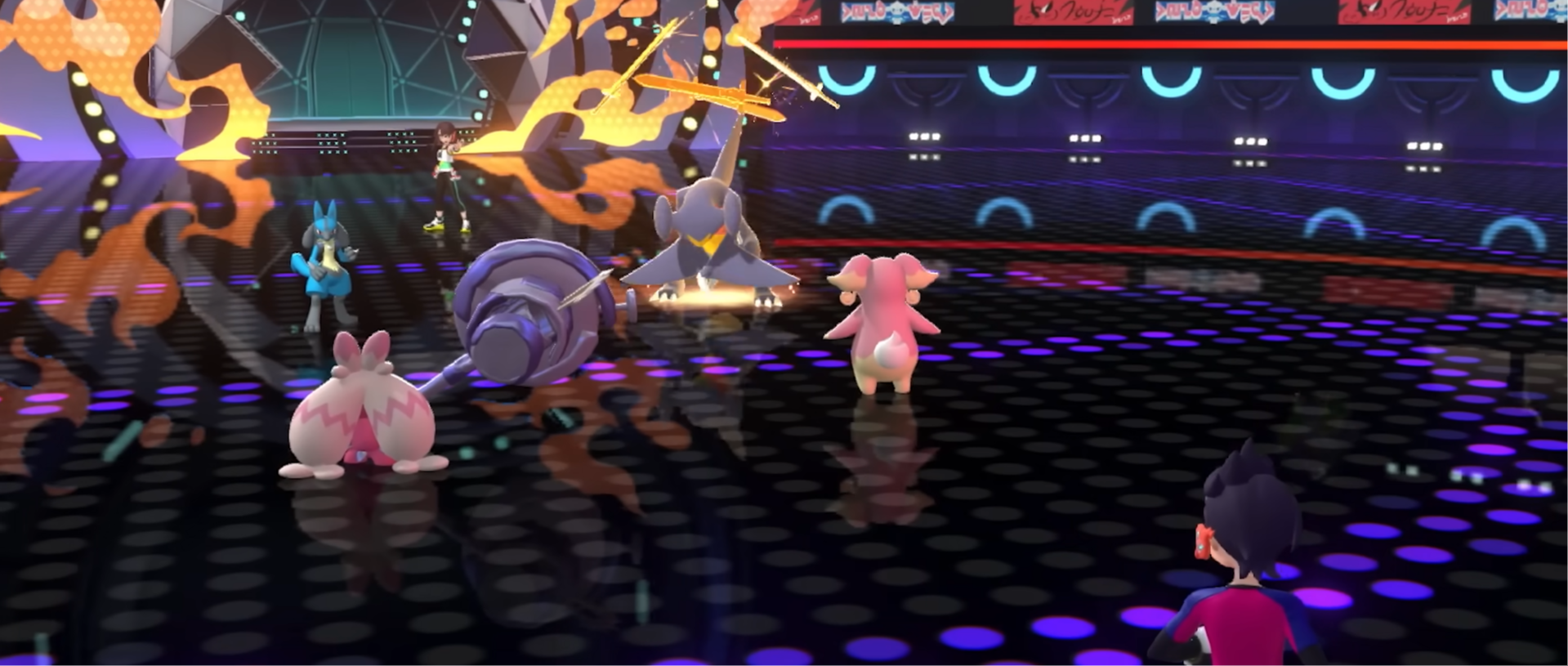
Weather-based compositions (rain, sun, or sand) also stand out, directly influencing abilities, damage, and Pokémon speed.
Key tips to play effectively from the start
Understanding team synergy
Performance does not rely solely on the individual strength of each Pokémon. It is necessary to consider:
- Interaction between abilities
- Type coverage
- Role distribution
A balanced composition allows players to respond to different threats.
Understanding the impact of weather
Weather is a relevant factor in Pokémon Champions. Conditions such as rain, sun, or sandstorm can:
- Automatically activate abilities
- Modify attack damage
- Alter speed

Using the recruitment system
Progress depends on acquiring new Pokémon through scouting.
Pokémon can be improved using specific points, increasing their combat performance. There are also free rotations that allow players to test different team compositions.
Taking advantage of early rewards
During the first weeks, the game includes incentives that can accelerate progress. One example is the code CHAMP10N, which grants a competitive Machamp.

6
0
NEWSLETTER
Subscribe!
And find out the latest news
Other news you might be interested in
Etiquetas


