Highguard: cómo 61 veteranos de Apex y el dinero secreto del partido comunista chino fracasaron en lanzar un juego

'/%3e%3cpath%20d='M4.94162%205.99547L4.02701%205.08086L3.63428%205.47359L4.94162%206.78093L7.63768%204.08487L7.24495%203.69214L4.94162%205.99547Z'%20fill='white'/%3e%3cdefs%3e%3clinearGradient%20id='paint0_linear_2302_10195'%20x1='0.5'%20y1='10'%20x2='10.4939'%20y2='10'%20gradientUnits='userSpaceOnUse'%3e%3cstop%20stop-color='%234E10FF'/%3e%3cstop%20offset='1'%20stop-color='%23AB17DF'/%3e%3c/linearGradient%3e%3c/defs%3e%3c/svg%3e)
Highguard: cómo 61 veteranos de Apex y el dinero secreto del partido comunista chino fracasaron en lanzar un juego
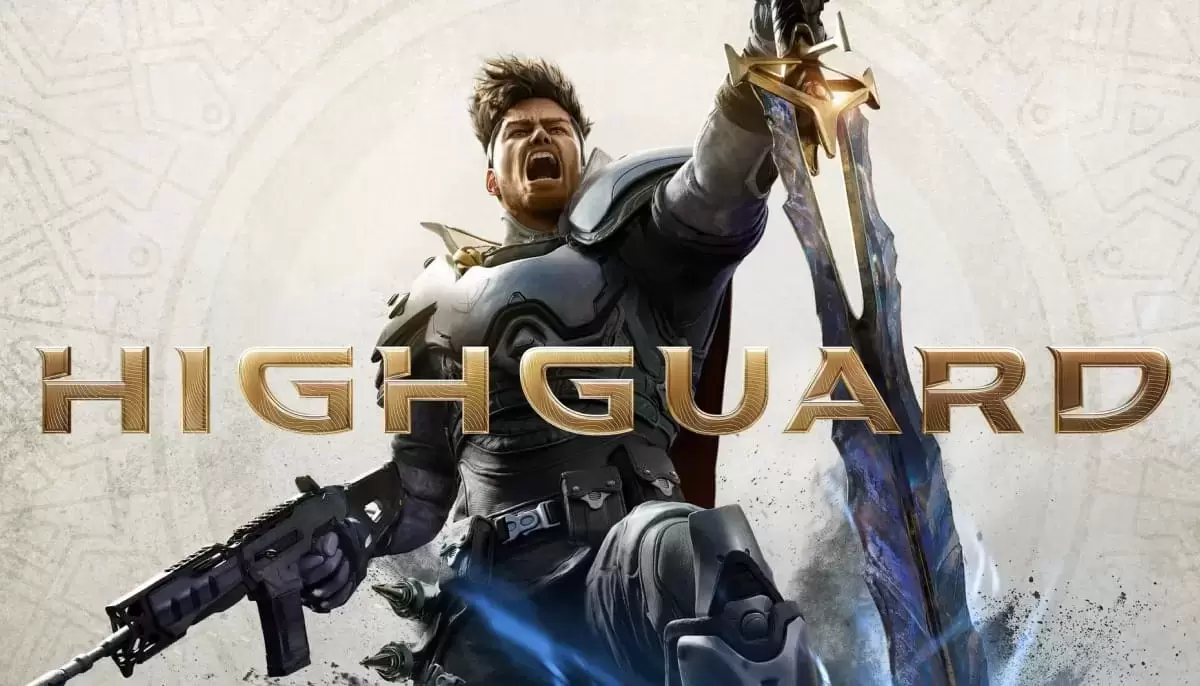
Hay fracasos que tardan años en cocerse. Highguard tardó 45 días. El 26 de enero de 2026 salió a la venta presumiendo de estudio de leyenda, dinero de sobra y el escaparate más codiciado de la industria. El 12 de marzo, sus servidores se apagaron para siempre. Entre medias cabe una de las historias más aleccionadoras del año: la de un juego que, según mucha gente, estaba muerto antes de existir.
Lo interesante de Highguard no es que fallara. Fallan muchos. Lo interesante es cómo se juntaron todos los astros para que fallara tan rápido y de forma tan pública.
El "estudio indie" que no era tan indie

Wildlight Entertainment se presentó al mundo como un estudio independiente, pequeño, con el dinero yendo directo al juego. Sobre el papel, un cuento bonito. La realidad tenía matices.
Para empezar, no eran novatos. El estudio reunía a unos cien empleados, la mayoría procedentes de Respawn, e incluía a buena parte del equipo que levantó Apex Legends y Titanfall. Al frente, dos pesos pesados: Dusty Welch (CEO, ex-COO de Respawn y ex-GM de Apex) y Chad Grenier (director del estudio y del juego, doce años en Respawn dirigiendo Apex). Hasta la banda sonora tenía firma de prestigio: Cris Velasco, el compositor de God of War y Mass Effect.
Y luego estaba el detalle que reventó la narrativa "indie" en cuanto se supo: el respaldo financiero principal de Wildlight era Tencent, a través de su filial TiMi Studio Group, según reveló Bloomberg y Game File. Nadie lo había contado antes del lanzamiento. Cuando los jugadores se enteraron después, lo vivieron como un engaño. Un estudio que vendía cercanía y bolsillos modestos resultó estar financiado por uno de los gigantes más grandes del planeta. Esa sensación de que te habían vendido una versión maquillada se quedó pegada al juego.
Un juego con dos almas peleándose por el mismo cuerpo
Highguard nació como un shooter de supervivencia al estilo Rust. Ese fue su primer giro. Lo que llegó a las tiendas era otra cosa: un raid shooter PvP 3 contra 3 con estética de fantasía medieval. Encarnabas a un "Warden", un pistolero arcano, y cada partida arrancaba eligiendo y fortificando un castillo, literalmente. Cuatro fases: un minuto reforzando muros, dos cabalgando por un mapa enorme en busca de mejor equipo, una pelea por una espada (la "Shieldbreaker") y un asalto final para volar los generadores rivales.
Tu cuenta de OLA vale premios
Juega La Garra, busca el tesoro y canjea en la Tienda. Crear la cuenta es gratis.
Crear mi cuentaSuena ambicioso, y lo era. El problema es que se notaba la costura. Según Jason Schreier en Bloomberg, algunos de los sistemas más flojos eran restos de la versión anterior del juego, la de supervivencia. Cuatro años de desarrollo y dos conceptos distintos intentando convivir en el mismo título. Los jugadores lo detectaron enseguida: el asalto a bases gustaba, pero el crafteo y la supervivencia sabían a poco.
Las quejas concretas fueron demoledoras y muy específicas:
- Mapas demasiado grandes para 3v3. Enormes y vacíos, pensados para más jugadores de los que había en cada partida. La comunidad bautizó el resultado como "simulador de paseos a caballo": largos trayectos buscando acción, peleas cortísimas, repetir. Wildlight reaccionó metiendo un modo 5v5 semanas después, pero ya no había nadie en las colas para llenarlo.
- Looteo aburrido. Minar, recoger, abrir cofres, sin enemigos ni amenazas que dieran tensión.
- Rendimiento técnico desastroso. Jugadores con equipos de gama altísima reportaban imagen borrosa, motion blur forzado y framerates erráticos. Cuando alguien con un PC top dice "hay que esforzarse para que rinda tan mal", el boca a boca ya está perdido.
- Cero identidad visual. Wardens diferenciados solo por un par de habilidades en cooldown y diseños que se olvidaban al instante.
El "beso de la muerte" del Game Awards
Aquí entra el personaje más comentado de toda la historia: Geoff Keighley y el escaparate de los Game Awards.
El plan de Wildlight era un surprise drop a lo Apex Legends en 2019: anuncias, te callas, y lo siguiente que ve el jugador es el juego ya disponible. Para el anuncio consiguieron el premio gordo: el "one last thing", el último reveal de la gala, ese hueco que históricamente se reserva a secuelas legendarias y estudios consagrados. Welch lo contó sin pudor: Keighley es amigo del estudio desde los tiempos de Titanfall, jugó a Highguard, le encantó y les ofreció ese cierre.
Y ahí estuvo la trampa, aunque nadie la viera venir. Ese slot funciona como una promesa implícita de grandeza. Cuando el "one last thing" resultó ser otro hero shooter colorido de un estudio que casi nadie conocía, el público se sintió defraudado antes de tocar el juego. Los memes empezaron esa misma noche. Keighley, que solo había hecho de animador entusiasta, acabó convertido en el villano que "condenó" a Highguard. Conviene ser justos con él: negó tener cualquier interés económico en el juego y, según los reportes, cedió ese carísimo espacio gratis. Simplemente se equivocó al calcular cómo encajaría en su audiencia masiva.
Las cifras de un derrumbe
El arranque ni siquiera fue malo en términos absolutos:
- Día 1: pico de 97.249 jugadores concurrentes en Steam.
- Recepción: unas 16.500 reseñas, en torno al 71% negativas. "Mayormente negativas" en Steam desde el primer día.
- 11 de febrero (día 16): despidos masivos.
- Pocos días después: Wildlight pasó de unos 100 empleados a menos de 20.
- Hacia el día 38: pico de 24 horas en 460 jugadores. Una caída de más del 99% respecto al arranque.
- 12 de marzo (día 45): cierre permanente de servidores.
A lo largo de su vida pasaron por Highguard más de dos millones de jugadores. La mayoría se fue casi tan rápido como llegó.
El golpe que lo selló: Tencent cierra el grifo

Esto explica por qué el final fue tan brutalmente veloz. La financiación de Tencent estaba condicionada a métricas concretas, sobre todo la retención de jugadores. Cuando esos números no aparecieron, y no aparecieron desde la primera semana, continuar la inversión dejó de tener sentido para el gigante chino. El dinero se evaporó alrededor del 11 de febrero, y con él la posibilidad de "darle tiempo" al juego. No fue una muerte por falta de paciencia; fue una financiación contingente que se apagó como un interruptor.
Welch había presumido semanas antes ante Variety de tener "un año de contenido casi terminado" y de que el equipo "no iba a ninguna parte". A los pocos días, el grifo se cerró. Hubo reembolsos a los jugadores y, aunque ninguna de las dos compañías lo confirmó con un comunicado formal, todo apunta a que Wildlight Entertainment echó el cierre. Grenier despidió la aventura en LinkedIn con un tono resignado: no era el final que esperaban, pero se llevaba un montón de lecciones para el resto de su carrera.
¿Lo mataron, o se mató solo?
Esta es la pregunta que de verdad importa, y la respuesta honesta es incómoda: las dos cosas, alimentándose la una a la otra.
Hubo un linchamiento, sí. Josh Sobel, ex-lead tech artist del estudio, lo describió crudo: en cuestión de minutos se decidió que el juego "estaba muerto al llegar", y los creadores de contenido tenían ragebait gratis para un mes. Cada vídeo del estudio se hundía a downvotes, y los comentarios se llenaban de "Concord 2" y "Titanfall 3 murió por esto". Más de 14.000 review bombs de usuarios con menos de una hora jugada. Sobel tuvo que poner su cuenta en privado por el acoso. Esa parte fue injusta y conviene decirlo.
Pero también es verdad que el juego daba flancos por todos lados: dos diseños mal pegados, mapas vacíos, rendimiento pobre, una identidad difusa y una campaña de marketing que el propio CEO admitió que no supo explicar qué demonios era Highguard. El surprise drop solo funciona si el producto se vende solo en los primeros cinco minutos. Highguard no podía.
Al final, Highguard es las dos historias a la vez: la de un juego que no estaba a la altura de su escaparate, y la de una industria que cada vez perdona menos. Murió en 45 días. Y, salvo por las lecciones, no dejó casi nada detrás.
0
0
Otras novedades que podrían interesarte
Etiquetas


