Minecraft Snapshot: por qué tus granjas de Redstone dejaron de funcionar

'/%3e%3cpath%20d='M4.94162%205.99547L4.02701%205.08086L3.63428%205.47359L4.94162%206.78093L7.63768%204.08487L7.24495%203.69214L4.94162%205.99547Z'%20fill='white'/%3e%3cdefs%3e%3clinearGradient%20id='paint0_linear_2302_10195'%20x1='0.5'%20y1='10'%20x2='10.4939'%20y2='10'%20gradientUnits='userSpaceOnUse'%3e%3cstop%20stop-color='%234E10FF'/%3e%3cstop%20offset='1'%20stop-color='%23AB17DF'/%3e%3c/linearGradient%3e%3c/defs%3e%3c/svg%3e)
Para muchos jugadores de Minecraft, actualizar a una nueva Snapshot es una oportunidad para probar contenido antes de su lanzamiento oficial. Sin embargo, quienes utilizan granjas automáticas y sistemas complejos de Redstone podrían encontrarse con una sorpresa desagradable: algunos mecanismos que funcionaban perfectamente pueden dejar de hacerlo tras instalar las versiones experimentales más recientes.
¿Por qué algunas granjas dejan de funcionar?
La razón principal está en la forma en que Minecraft procesa las actualizaciones de Redstone. Tradicionalmente, muchos diseños creados por la comunidad aprovechaban comportamientos muy específicos del motor del juego. En algunos casos, incluso dependían de interacciones que nunca fueron diseñadas como características oficiales, pero que terminaron convirtiéndose en herramientas habituales para los constructores más avanzados.
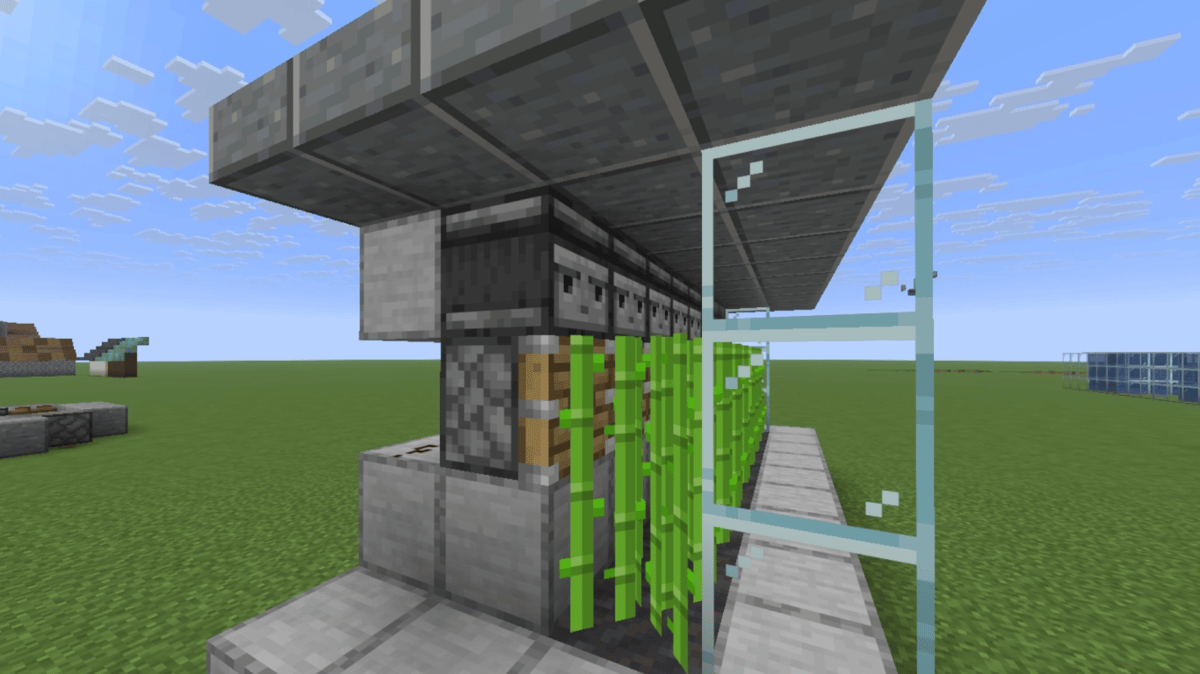
Las nuevas pruebas experimentales modifican aspectos relacionados con el orden de actualización de señales, la propagación de energía y la forma en que los componentes interactúan entre sí. Como resultado, ciertos circuitos pueden comportarse de manera diferente incluso si aparentemente no se ha modificado su diseño.
Según ha explicado Mojang, estos ajustes buscan reducir inconsistencias históricas y optimizar el rendimiento de los circuitos de gran tamaño, especialmente en servidores o mundos con una gran cantidad de mecanismos automatizados.

Los sistemas más vulnerables a los cambios
No todas las construcciones presentan problemas después de una actualización experimental. Las granjas sencillas suelen continuar funcionando con normalidad, pero los mecanismos que dependen de sincronizaciones extremadamente precisas son los que más riesgo tienen de verse afectados.
Tu cuenta de OLA vale premios
Juega La Garra, busca el tesoro y canjea en la Tienda. Crear la cuenta es gratis.
Crear mi cuentaEntre los diseños más sensibles se encuentran las granjas basadas en sistemas de 0-ticks, los circuitos que utilizan quasi-connectivity, los detectores de actualizaciones de bloques (BUD) y las construcciones que dependen de complejas cadenas de pistones. También pueden verse afectados algunos clasificadores de objetos y sistemas de transporte automatizado que requieren una sincronización exacta entre tolvas, comparadores y repetidores.
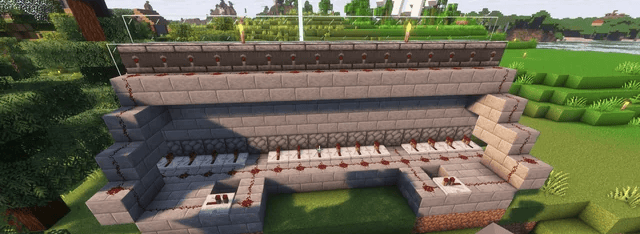
Cuando aparece un problema, los síntomas suelen ser fáciles de identificar. Algunas granjas dejan de producir recursos de forma repentina, ciertos pistones dejan de extenderse, las puertas automáticas se quedan abiertas o cerradas permanentemente y los sistemas de clasificación comienzan a enviar objetos a compartimentos incorrectos.
Cómo identificar el origen del fallo
Antes de desmontar una construcción completa, conviene localizar exactamente qué parte del mecanismo ha dejado de funcionar.
Una de las primeras comprobaciones recomendadas consiste en observar los pistones. Muchos diseños avanzados dependen de actualizaciones muy concretas para activarse correctamente. Si un pistón ya no responde como antes, existe la posibilidad de que el circuito estuviera aprovechando un comportamiento que ha sido modificado en la Snapshot.
También resulta útil revisar el recorrido del polvo de Redstone. Algunos cambios experimentales han alterado la forma en que determinadas señales se transmiten entre bloques adyacentes, por lo que una conexión que antes funcionaba mediante una actualización indirecta podría necesitar ahora una conexión más clara y directa.
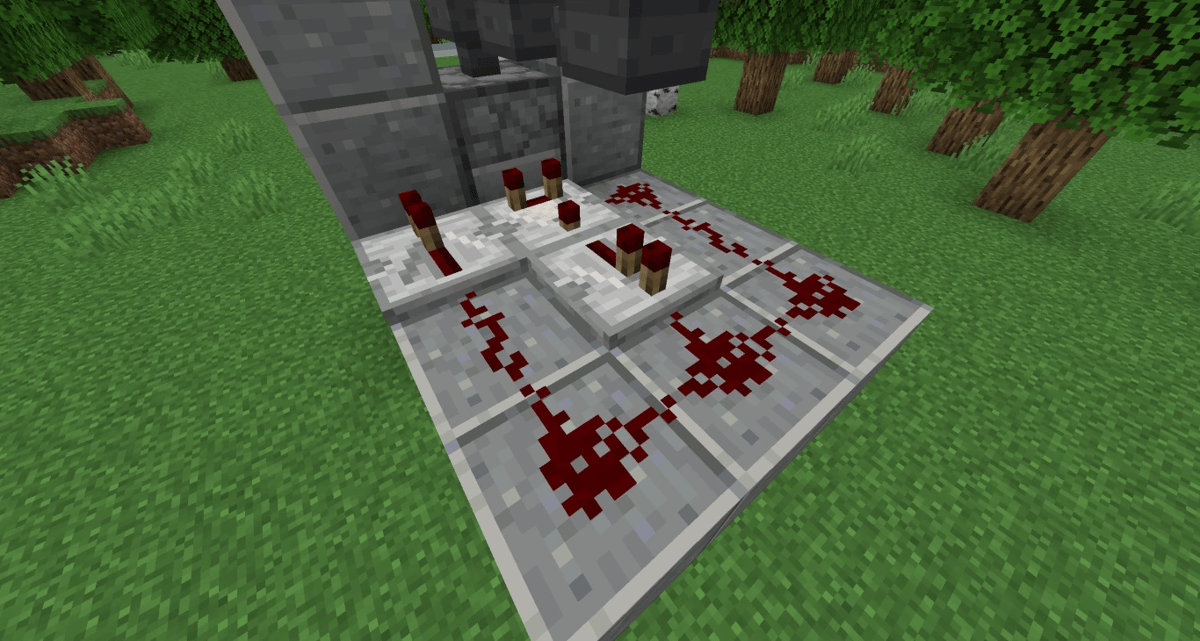
Los repetidores y comparadores merecen una atención especial. Una pequeña diferencia en los tiempos de activación puede ser suficiente para romper la sincronización de una granja compleja. En muchos casos, modificar ligeramente el retardo de un repetidor permite recuperar el funcionamiento normal del sistema.
Para evitar riesgos innecesarios, una práctica recomendable consiste en copiar la construcción en un mundo creativo y realizar allí todas las pruebas. Esto permite experimentar con diferentes soluciones sin comprometer el progreso de una partida principal.
Soluciones que suelen funcionar en la mayoría de los casos
Aunque cada diseño puede reaccionar de forma diferente a los cambios de Redstone, existen algunas medidas que suelen resolver gran parte de los problemas detectados en las Snapshots experimentales.
Una de las más efectivas es reemplazar mecanismos basados en 0-ticks por sistemas convencionales de temporización. Aunque suelen ocupar más espacio, ofrecen una mayor estabilidad frente a futuras actualizaciones.
Otra solución frecuente consiste en añadir repetidores adicionales para estabilizar el flujo de señal. Estos componentes ayudan a compensar modificaciones en el orden de actualización y pueden restaurar la sincronización perdida en determinadas granjas.
Cuando el diseño original es extremadamente compacto, también puede ser necesario reconstruir algunas secciones utilizando una distribución más amplia. Muchos mecanismos avanzados aprovechan peculiaridades del motor de Redstone que pueden desaparecer con el tiempo, por lo que una versión ligeramente más grande suele resultar más resistente a futuras modificaciones.
Asimismo, conviene comprobar si el creador original de la granja ha publicado una versión actualizada. Numerosos especialistas en Redstone adaptan rápidamente sus diseños cada vez que Mojang introduce cambios importantes en las versiones de prueba.
Consejo para jugadores técnicos
Antes de reconstruir toda una granja, prueba modificar únicamente los temporizadores, repetidores y conexiones críticas. En muchos casos el problema se encuentra en una sola sección del circuito.
¿Llegarán estos cambios a la versión final?
No necesariamente. Mojang ha señalado en varias ocasiones que los experimentos incluidos en las Snapshots tienen como finalidad recopilar comentarios de la comunidad antes de tomar una decisión definitiva.
Esto significa que algunas funciones pueden modificarse nuevamente, ajustarse o incluso descartarse antes de llegar a una actualización estable. Precisamente por este motivo, muchos jugadores que mantienen mundos de supervivencia a largo plazo prefieren esperar a las versiones finales antes de actualizar sus granjas y sistemas automatizados.
7
0
Otras novedades que podrían interesarte
Etiquetas


